
Overview
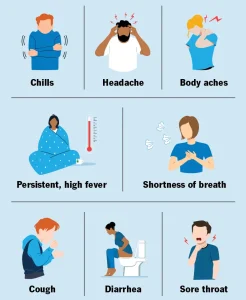
Severe Acute Respiratory Syndrome is a contagious viral respiratory illness caused by a coronavirus. It was first identified in the early 2000s and is known for causing severe pneumonia and respiratory failure in some individuals. The illness spreads mainly through close person-to-person contact and respiratory droplets. Although large outbreaks are currently rare, SARS remains an important example of how rapidly emerging infections can impact global health.
Symptoms
Symptoms of Severe Acute Respiratory Syndrome usually begin within a few days to a week after exposure and often worsen over time. Early symptoms commonly include fever, headache, body aches, and general discomfort. As the illness progresses, respiratory symptoms become more prominent.
-
Persistent dry cough
-
Shortness of breath or difficulty breathing
-
Chest discomfort
-
Fatigue and weakness
In severe cases, pneumonia and respiratory failure may develop, requiring hospitalization.
Causes
Severe Acute Respiratory Syndrome is caused by a specific strain of coronavirus that infects the respiratory tract. The virus spreads through respiratory droplets released when an infected person coughs or sneezes. It can also spread through close contact with contaminated surfaces followed by touching the mouth, nose, or eyes. Crowded environments and close living conditions increase the risk of transmission.
Risk Factors
Certain factors increase the likelihood of infection or severe illness.
-
Close contact with an infected person
-
Healthcare or caregiving roles without adequate protection
-
Weakened immune system
-
Older age
-
Presence of chronic medical conditions affecting the lungs or heart
Complications
Complications of Severe Acute Respiratory Syndrome can be serious and life-threatening. These may include severe pneumonia, acute respiratory distress, and the need for mechanical ventilation. Some individuals may experience long-term lung function impairment after recovery. In severe cases, the infection can lead to organ failure or death.
Prevention
Prevention focuses on reducing exposure and controlling the spread of infection. Good hand hygiene, respiratory etiquette, and avoiding close contact with infected individuals are essential measures. In healthcare settings, proper infection control practices and use of protective equipment are critical. Early identification of cases and isolation help limit transmission and protect public health.
Request an appointment
Advertisement
