
Overview
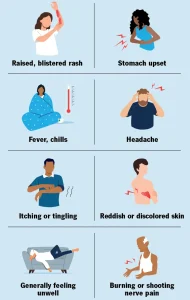
Shingles is a painful viral infection that causes a distinctive rash and nerve pain. It occurs when the varicella-zoster virus, which causes chickenpox, becomes active again after lying dormant in the body for years. Shingles usually affects one side of the body or face and is more common in older adults and people with weakened immune systems. Early treatment can reduce symptom severity and lower the risk of complications.
Symptoms
Symptoms often begin before the rash appears and may vary in intensity.
-
Tingling, burning, itching, or pain in a specific area on one side of the body
-
Red rash that develops into fluid-filled blisters
-
Blisters that break open and form scabs
-
Sensitivity to touch
-
Fever, headache, fatigue, or general discomfort
Pain may persist even after the rash has healed in some individuals.
Causes
Shingles is caused by reactivation of the varicella-zoster virus. After a person recovers from chickenpox, the virus remains inactive in nerve tissue. Years later, it can reactivate due to changes in immune function, traveling along nerve pathways and causing inflammation and rash in the affected area.
Risk Factors
Certain factors increase the risk of developing shingles.
-
Age over 50 years
-
History of chickenpox
-
Weakened immune system due to illness or medications
-
High levels of physical or emotional stress
-
Certain medical treatments such as chemotherapy or long-term steroid use
Complications
Shingles can lead to complications, especially if not treated promptly. The most common is postherpetic neuralgia, a condition where nerve pain continues long after the rash has healed. Other complications may include vision problems if the eye is affected, skin infections, and, rarely, neurological issues such as nerve damage.
Prevention
Prevention focuses on reducing the risk of reactivation and severity of illness. Vaccination is the most effective way to prevent shingles and its complications, especially in older adults. Maintaining a healthy immune system through balanced nutrition, stress management, and proper medical care also helps. Avoiding close contact with individuals who have active shingles lesions reduces the risk of virus transmission to those who have never had chickenpox.
Advertisement
