
Overview
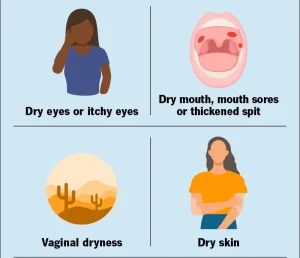
Sjogren’s syndrome is a chronic autoimmune disorder in which the immune system mistakenly attacks the body’s moisture-producing glands. It primarily affects the salivary and tear glands, leading to dryness of the mouth and eyes. The condition can occur on its own or in association with other autoimmune diseases. Sjogren’s syndrome often develops gradually and is more common in middle-aged adults, particularly women.
Symptoms
Symptoms may vary in severity and can affect different parts of the body.
-
Dry eyes causing irritation, burning, or a gritty sensation
-
Dry mouth leading to difficulty chewing, swallowing, or speaking
-
Increased dental cavities due to reduced saliva
-
Dry throat or hoarseness
-
Fatigue and joint pain
-
Dry skin or vaginal dryness
Some individuals may also experience swelling of the salivary glands or systemic symptoms affecting other organs.
Causes
Sjogren’s syndrome is caused by an abnormal immune response in which immune cells attack healthy glandular tissue. The exact trigger is not fully understood, but a combination of genetic predisposition and environmental factors, such as viral infections, is thought to play a role. This immune attack reduces the glands’ ability to produce saliva and tears.
Risk Factors
Several factors increase the risk of developing Sjogren’s syndrome.
-
Female sex
-
Age over 40 years
-
Family history of autoimmune diseases
-
Presence of other autoimmune conditions
-
Genetic susceptibility
Complications
Complications can arise due to chronic dryness and immune system involvement. These may include dental decay, oral infections, and eye damage such as corneal irritation. In some cases, Sjogren’s syndrome can affect internal organs, leading to lung, kidney, or nerve problems. There is also a slightly increased risk of lymphoma in people with long-standing disease.
Prevention
There is no known way to prevent Sjogren’s syndrome. However, early diagnosis and proper management can reduce symptoms and prevent complications. Regular dental and eye care are essential to protect against damage caused by dryness. Staying hydrated, avoiding environments that worsen dryness, and seeking medical care for new or worsening symptoms help improve long-term outcomes.
Advertisement
