
Overview
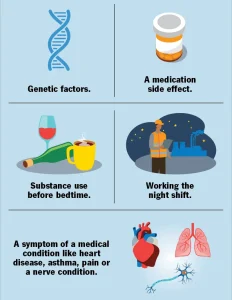
Sleep disorders are conditions that affect the quality, timing, or duration of sleep and interfere with normal daytime functioning. They can lead to difficulty falling asleep, staying asleep, or waking too early, as well as excessive sleepiness during the day. Sleep disorders may be short-term or chronic and can affect people of all ages. Proper sleep is essential for physical health, mental well-being, and overall quality of life.
Symptoms
Symptoms vary depending on the type of sleep disorder but often involve problems with sleep and daytime alertness.
-
Difficulty falling asleep or staying asleep
-
Waking up too early or feeling unrefreshed after sleep
-
Excessive daytime sleepiness or fatigue
-
Loud snoring or breathing pauses during sleep
-
Unusual movements, behaviors, or sensations during sleep
-
Trouble concentrating, memory problems, or mood changes
-
Reduced performance at work or school
Causes
Sleep disorders can be caused by a wide range of factors. These include medical conditions, mental health disorders, and lifestyle habits. Stress, anxiety, depression, and chronic pain commonly disrupt sleep. Irregular sleep schedules, excessive screen time, caffeine, alcohol, and certain medications can also interfere with normal sleep patterns. In some cases, sleep disorders are linked to problems with the brain or nervous system.
Risk Factors
Several factors increase the likelihood of developing sleep disorders.
-
High levels of stress or emotional distress
-
Irregular work schedules or shift work
-
Poor sleep habits or sleep environment
-
Chronic medical conditions
-
Mental health conditions such as anxiety or depression
-
Use of substances that affect sleep, including caffeine, alcohol, or nicotine
-
Increasing age
Complications
Untreated sleep disorders can have significant health consequences. These may include weakened immune function, weight gain, high blood pressure, heart disease, and diabetes. Poor sleep also affects mental health, increasing the risk of depression, anxiety, and impaired concentration. Long-term sleep problems can reduce productivity, increase accident risk, and negatively impact overall quality of life.
Prevention
Prevention focuses on promoting healthy sleep habits and addressing underlying causes. Maintaining a regular sleep schedule, creating a comfortable sleep environment, and limiting screen use before bedtime can improve sleep quality. Managing stress, staying physically active, and avoiding stimulants close to bedtime are also helpful. Seeking medical advice for ongoing sleep problems allows early diagnosis and appropriate treatment, helping prevent long-term complications.
Request an appointment
Advertisement
