
Overview
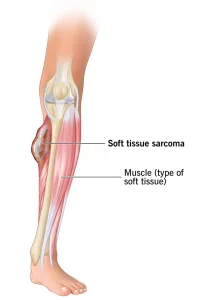
Soft tissue sarcoma is a rare group of cancers that develop in the body’s soft tissues. These tissues include muscles, fat, tendons, ligaments, nerves, blood vessels, and connective tissues. Soft tissue sarcomas can occur anywhere in the body but are most commonly found in the arms, legs, trunk, and abdomen. They often grow slowly and may not cause symptoms in the early stages.
Symptoms
Symptoms depend on the size and location of the tumor and may not appear until the cancer grows larger.
-
A painless lump or swelling under the skin
-
A lump that continues to grow over time
-
Pain or soreness if the tumor presses on nerves or muscles
-
Abdominal pain, fullness, or digestive issues if located in the abdomen
-
Difficulty moving a limb if the tumor affects muscles or joints
Any new or enlarging lump should be evaluated by a healthcare professional.
Causes
The exact cause of soft tissue sarcoma is often unknown. It develops when abnormal changes occur in the DNA of soft tissue cells, causing them to grow and divide uncontrollably. Over time, these abnormal cells can form a malignant tumor and may spread to other parts of the body.
Risk Factors
Several factors may increase the risk of developing soft tissue sarcoma.
-
Exposure to radiation therapy in the past
-
Certain inherited genetic conditions
-
Exposure to specific chemicals or toxins
-
Chronic swelling of tissues
-
Increasing age, although some types occur in children and young adults
Complications
Soft tissue sarcoma can cause serious complications if it grows or spreads. Tumors may damage nearby nerves, muscles, or organs, leading to pain and loss of function. If the cancer spreads to the lungs or other organs, treatment becomes more complex and outcomes may be less favorable. Recurrence after treatment is also possible in some cases.
Prevention
There is no sure way to prevent soft tissue sarcoma. Reducing exposure to known risk factors, such as unnecessary radiation and harmful chemicals, may help lower risk. Regular medical follow-up for individuals with genetic conditions linked to sarcoma is important. Seeking prompt medical attention for unexplained or growing lumps supports early diagnosis and improves treatment outcomes.
Request an appointment
Advertisement
