
Overview
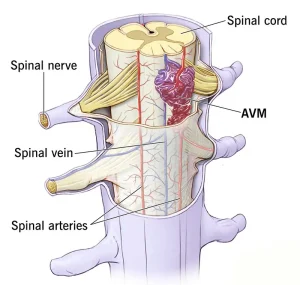
Spinal arteriovenous malformation is a rare vascular condition in which there is an abnormal connection between arteries and veins in or around the spinal cord. This abnormal blood flow bypasses the normal capillary system, leading to increased pressure and reduced oxygen delivery to spinal cord tissue. Over time, this can damage the spinal cord and cause progressive neurological symptoms. Spinal arteriovenous malformations may be present at birth or develop later in life.
Symptoms
Symptoms vary depending on the type, size, and location of the malformation and may develop gradually or suddenly.
-
Progressive weakness in the legs or arms
-
Numbness, tingling, or loss of sensation
-
Difficulty walking or maintaining balance
-
Back pain or localized spinal pain
-
Bladder or bowel control problems
-
Sudden paralysis or severe neurological deficits in cases of bleeding
Symptoms often worsen over time if the condition is not treated.
Causes
The exact cause of spinal arteriovenous malformations is not always known. Many are believed to be congenital, resulting from abnormal blood vessel development before birth. In some cases, changes in blood flow dynamics or vascular structure later in life may contribute. The abnormal artery-to-vein connection leads to increased venous pressure and impaired spinal cord function.
Risk Factors
Spinal arteriovenous malformations are uncommon, and clear risk factors are limited.
-
Congenital vascular abnormalities
-
Male sex, for certain types of spinal arteriovenous malformations
-
Middle age for symptom onset in some forms
-
No strong lifestyle-related risk factors have been identified
Complications
If untreated, spinal arteriovenous malformations can cause permanent spinal cord damage. Progressive weakness, chronic pain, and loss of bladder or bowel control may occur. Bleeding into or around the spinal cord is a serious complication that can result in sudden neurological deterioration, paralysis, or long-term disability.
Prevention
There is no known way to prevent spinal arteriovenous malformations, especially those present at birth. Early diagnosis and appropriate treatment can help prevent progression and reduce the risk of severe complications. Seeking medical evaluation for unexplained neurological symptoms such as weakness, numbness, or bladder changes supports timely management and better outcomes.
Advertisement
