
Overview
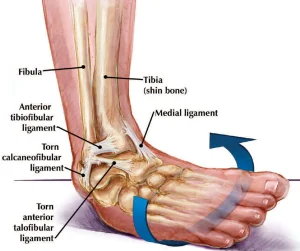
Sprains are common injuries that occur when ligaments are stretched or torn due to sudden movement or force. Ligaments are tough bands of tissue that connect bones and stabilize joints. Sprains most often affect joints such as the ankle, wrist, knee, or thumb and can range from mild overstretching to complete ligament tears. The severity of a sprain determines the level of pain, swelling, and recovery time.
Symptoms
Symptoms vary depending on the joint involved and the severity of the injury. Common symptoms include:
-
Pain around the affected joint
-
Swelling and tenderness
-
Bruising or skin discoloration
-
Limited movement or stiffness
-
Joint instability or weakness
-
Pain that worsens with movement or weight-bearing
Mild sprains may improve quickly, while severe sprains can cause prolonged symptoms.
Causes
Sprains occur when a joint is forced beyond its normal range of motion. This may happen due to sudden twisting, falling, or impact. Common situations include sports injuries, slips or falls, lifting heavy objects incorrectly, or awkward movements during daily activities. The excessive force stretches or tears the supporting ligaments.
Risk Factors
Several factors can increase the risk of developing a sprain:
-
Participation in sports or physical activities
-
Walking or exercising on uneven surfaces
-
Poor muscle strength or flexibility
-
Inadequate warm-up before activity
-
Previous joint injuries
These factors can reduce joint stability and increase susceptibility to injury.
Complications
If sprains are not properly treated or rehabilitated, complications may develop, such as:
-
Chronic joint pain
-
Recurrent sprains
-
Long-term joint instability
-
Reduced range of motion
-
Early joint degeneration or arthritis
Appropriate care and rehabilitation are important to restore joint function and prevent long-term problems.
Prevention
While sprains cannot always be prevented, certain measures can reduce the risk:
-
Warming up and stretching before physical activity
-
Strengthening muscles around joints
-
Wearing appropriate and supportive footwear or protective gear
-
Maintaining good balance and coordination
-
Avoiding sudden increases in activity intensity
Preventive strategies and proper recovery help maintain joint health and reduce the likelihood of future sprains.
Advertisement
