
Overview
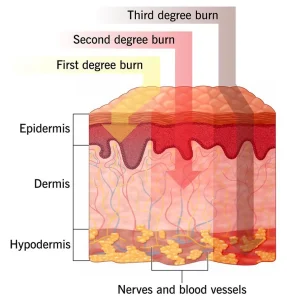
Sunburn is a skin condition caused by excessive exposure to ultraviolet (UV) radiation from the sun or artificial sources such as tanning beds. When the skin receives more UV radiation than it can tolerate, it becomes inflamed and damaged, leading to redness, pain, and irritation.
Sunburn usually affects areas of skin that are directly exposed to sunlight, such as the face, neck, arms, shoulders, and back. Symptoms often appear a few hours after sun exposure and may worsen over the next 24 hours. Mild sunburn typically heals within a few days, while more severe cases may take longer and may include blistering or peeling of the skin.
Repeated sunburns can increase the risk of long-term skin damage and may contribute to the development of skin cancer.
Symptoms
Symptoms of sunburn can vary depending on the severity of the exposure and the individual’s skin sensitivity.
Common symptoms include:
-
Red, inflamed skin
-
Pain or tenderness in the affected area
-
Warm or hot skin to the touch
-
Swelling
-
Blisters in severe cases
-
Peeling or flaking skin as it heals
In severe sunburn, some people may also experience headache, fever, nausea, or fatigue.
Causes
Sunburn occurs when the skin is exposed to too much ultraviolet radiation. UV rays damage the DNA in skin cells, triggering an inflammatory response that causes redness and discomfort.
Common causes include:
-
Prolonged exposure to sunlight without protection
-
Outdoor activities during peak sunlight hours
-
Use of tanning beds or sunlamps
-
Lack of sunscreen or protective clothing
-
Reflection of sunlight from surfaces such as water, sand, or snow
Even on cloudy days, UV rays can still penetrate the atmosphere and cause sunburn.
Risk Factors
Certain factors increase the likelihood of developing sunburn.
Risk factors include:
-
Fair or light-colored skin
-
Spending long periods outdoors without sun protection
-
Living in regions with intense sunlight
-
High-altitude environments where UV radiation is stronger
-
Use of medications that increase skin sensitivity to sunlight
-
Previous history of frequent sunburns
People with lighter hair and eye color may also be more sensitive to UV radiation.
Complications
Frequent or severe sunburn can lead to long-term skin damage and other health concerns.
Possible complications include:
-
Premature skin aging, including wrinkles and sunspots
-
Increased risk of skin cancer
-
Skin infections if blisters break open
-
Heat exhaustion or dehydration in severe cases
Repeated sunburns, especially during childhood, are associated with a higher risk of melanoma later in life.
Prevention
Preventing sunburn involves protecting the skin from excessive ultraviolet exposure.
Preventive measures include:
-
Applying broad-spectrum sunscreen with SPF 30 or higher
-
Reapplying sunscreen every two hours or after swimming or sweating
-
Wearing protective clothing such as hats, sunglasses, and long sleeves
-
Seeking shade during peak sunlight hours, usually between 10 a.m. and 4 p.m.
-
Avoiding tanning beds and artificial UV sources
-
Staying hydrated and limiting prolonged sun exposure
Consistent sun protection can help maintain healthy skin and reduce the risk of sunburn and related complications.
Advertisement
