
Overview
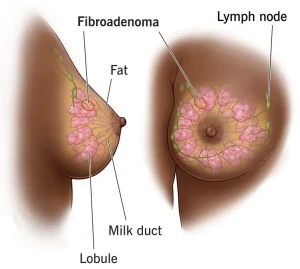
Suspicious breast lumps are unusual masses or thickened areas in the breast that may require medical evaluation to determine their cause. While many breast lumps are benign and not cancerous, some may indicate the possibility of breast cancer or other serious conditions. Because of this, any new or unusual lump in the breast should be checked by a healthcare professional.
Breast lumps can vary in size, shape, and texture. Some may feel firm and immovable, while others may be soft or painful. Suspicious lumps are those that have features that raise concern during a physical examination or imaging tests such as a mammogram or ultrasound.
Early detection and proper diagnosis are important for identifying the cause of a breast lump and ensuring appropriate treatment if necessary.
Symptoms
Suspicious breast lumps may present with various signs depending on their underlying cause.
Common symptoms include:
-
A new lump or thickening in the breast or underarm area
-
A lump that feels hard, irregular, or fixed in place
-
Changes in breast size or shape
-
Skin changes on the breast, such as redness, dimpling, or puckering
-
Nipple discharge that may be clear or bloody
-
Inversion or pulling in of the nipple
-
Persistent breast pain or tenderness in a specific area
Some breast lumps may not cause pain and may only be discovered during a self-examination or routine screening.
Causes
Breast lumps can develop due to many different conditions, both benign and serious.
Possible causes include:
-
Benign breast cysts filled with fluid
-
Fibroadenomas, which are noncancerous breast tumors
-
Breast infections or inflammation
-
Hormonal changes during menstrual cycles
-
Injury or trauma to breast tissue
-
Breast cancer
Further tests are usually needed to determine the exact cause of a suspicious lump.
Risk Factors
Several factors may increase the likelihood of developing suspicious breast lumps.
Risk factors include:
-
Increasing age
-
Family history of breast cancer
-
Personal history of breast disease or previous breast lumps
-
Hormonal factors, such as early menstruation or late menopause
-
Obesity
-
Exposure to radiation therapy in the chest area
-
Use of hormone replacement therapy for long periods
Women are more commonly affected, but breast lumps can also occur in men.
Complications
If a suspicious breast lump is caused by a serious condition such as breast cancer, delayed diagnosis can lead to complications.
Possible complications include:
-
Growth and spread of cancer to nearby tissues
-
Spread of cancer to lymph nodes or other organs
-
Increased need for aggressive treatment
-
Emotional distress or anxiety related to diagnosis
Early medical evaluation helps reduce the risk of these complications.
Prevention
While not all breast lumps can be prevented, certain practices may help with early detection and overall breast health.
Preventive steps include:
-
Performing regular breast self-examinations
-
Attending routine clinical breast exams
-
Undergoing recommended mammogram screenings
-
Maintaining a healthy weight and active lifestyle
-
Limiting alcohol consumption
-
Discussing family history of breast cancer with a healthcare provider
Early screening and awareness of changes in breast tissue play a key role in detecting potential problems at an early stage.
Advertisement
