
Overview
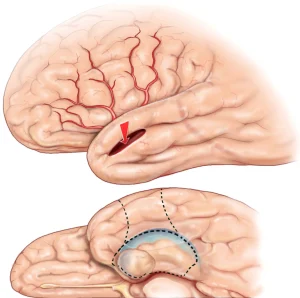
Temporal lobe seizure is a type of focal seizure that originates in the temporal lobe of the brain, an area involved in memory, emotions, and sensory processing. These seizures may occur with or without loss of awareness and can cause a wide range of physical, emotional, and sensory symptoms.
Temporal lobe seizures are among the most common forms of focal epilepsy. They may last from seconds to a few minutes and can occur occasionally or repeatedly, depending on the underlying cause and treatment response.
Symptoms
Symptoms of temporal lobe seizures vary based on whether awareness is preserved and which part of the temporal lobe is affected.
Common symptoms include:
-
Sudden feelings of fear, anxiety, or déjà vu
-
Altered awareness or confusion
-
Staring spells
-
Lip smacking or chewing movements
-
Repetitive hand or finger movements
-
Changes in taste, smell, or hearing
-
Sensations of rising in the stomach
-
Inability to respond during the seizure
-
Memory gaps after the seizure
After the seizure, individuals may feel tired, confused, or have difficulty speaking for a short period.
Causes
Temporal lobe seizures occur due to abnormal electrical activity in the temporal lobe.
Common causes include:
-
Epilepsy involving the temporal lobe
-
Head injury or brain trauma
-
Brain infections such as meningitis or encephalitis
-
Stroke
-
Brain tumors
-
Structural brain abnormalities
-
Scarring of brain tissue
-
Genetic factors in some cases
Sometimes, no clear cause can be identified.
Risk Factors
Several factors may increase the risk of developing temporal lobe seizures.
Risk factors include:
-
History of epilepsy or seizures
-
Previous head injury
-
Central nervous system infections
-
Stroke or brain injury
-
Family history of epilepsy
-
Brain tumors or structural abnormalities
-
Prolonged febrile seizures in childhood
Risk varies depending on individual medical history.
Complications
If not well controlled, temporal lobe seizures can lead to complications that affect safety and quality of life.
Possible complications include:
-
Memory problems
-
Difficulty with learning and concentration
-
Emotional or behavioral changes
-
Increased risk of injury during seizures
-
Anxiety or depression
-
Driving or occupational restrictions
-
Progression to more frequent or severe seizures
Long-term seizure control is important to reduce these risks.
Prevention
Not all temporal lobe seizures can be prevented, especially when caused by structural or genetic factors. However, certain measures can reduce seizure frequency and complications.
Preventive strategies include:
-
Taking prescribed anti-seizure medications consistently
-
Avoiding known seizure triggers such as sleep deprivation or alcohol
-
Managing stress effectively
-
Protecting the head from injury
-
Treating underlying conditions promptly
-
Attending regular medical follow-ups
Early diagnosis, adherence to treatment, and lifestyle management play a key role in controlling temporal lobe seizures and improving long-term outcomes.
Advertisement
