
Overview
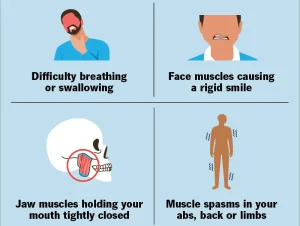
Tetanus is a serious bacterial infection that affects the nervous system and causes painful muscle stiffness and spasms. It is caused by toxins produced by the bacterium Clostridium tetani, which is commonly found in soil, dust, and animal waste. The bacteria usually enter the body through cuts, wounds, burns, or puncture injuries.
Once inside the body, the bacteria release toxins that interfere with normal nerve signals, leading to muscle tightening and spasms. Tetanus is sometimes called “lockjaw” because it often begins with stiffness in the jaw muscles. Although tetanus is preventable through vaccination, it can become life-threatening if not treated promptly.
Symptoms
Symptoms of tetanus usually appear within 3 to 21 days after infection, depending on how far the wound is from the nervous system. Early symptoms may start mildly but can quickly become severe.
Common symptoms include:
-
Stiffness in the jaw muscles, often called lockjaw
-
Difficulty opening the mouth or swallowing
-
Stiffness in the neck and abdominal muscles
-
Painful muscle spasms
-
Headache
-
Fever and sweating
-
Rapid heartbeat
-
Irritability or restlessness
Muscle spasms can become strong enough to interfere with breathing in severe cases.
Causes
Tetanus is caused by infection with the bacterium Clostridium tetani. The bacteria produce a toxin that affects nerves controlling the muscles.
The infection usually occurs when bacteria enter the body through:
-
Deep cuts or puncture wounds
-
Injuries caused by nails, splinters, or sharp objects
-
Burns
-
Animal bites
-
Surgical wounds
-
Infected umbilical cords in newborns in areas with poor hygiene
Even small wounds can lead to infection if they become contaminated with the bacteria.
Risk Factors
Certain factors increase the likelihood of developing tetanus.
Risk factors include:
-
Not being vaccinated or not receiving booster doses
-
Injuries contaminated with soil, dust, or manure
-
Deep puncture wounds
-
Poor wound care or untreated injuries
-
Living in areas with limited access to vaccination
-
Intravenous drug use
People who have not kept up with their tetanus vaccinations are at the greatest risk.
Complications
Tetanus can lead to severe complications due to prolonged muscle spasms and nervous system effects.
Possible complications include:
-
Breathing difficulties due to spasms of respiratory muscles
-
Bone fractures caused by strong muscle contractions
-
Pneumonia
-
Irregular heart rhythms
-
High blood pressure
-
Pulmonary embolism
-
Death in severe untreated cases
Prompt medical treatment can reduce the risk of serious complications.
Prevention
Tetanus is largely preventable through vaccination and proper wound care.
Preventive measures include:
-
Receiving the recommended tetanus vaccinations and booster shots
-
Keeping wounds clean and properly treated
-
Seeking medical care for deep or contaminated wounds
-
Receiving a tetanus booster if more than 10 years have passed since the last dose
-
Ensuring proper hygiene and safe delivery practices for newborns
Regular immunization and timely treatment of wounds are the most effective ways to prevent tetanus infection.
Advertisement
