
Overview
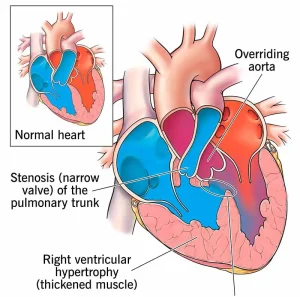
Tetralogy of Fallot is a rare congenital heart defect that is present at birth. It involves four structural abnormalities in the heart that affect normal blood flow. These defects cause oxygen-poor blood to flow out of the heart and into the rest of the body, which can lead to low oxygen levels in the blood.
Because of reduced oxygen circulation, babies and children with this condition may develop a bluish color of the skin, lips, and fingernails, a condition known as cyanosis. Tetralogy of Fallot is one of the most common types of complex congenital heart disease. With modern medical care and surgery, many children with this condition can live healthy and active lives.
Symptoms
Symptoms of Tetralogy of Fallot may appear soon after birth or during early childhood. The severity of symptoms can vary depending on how much blood flow is blocked from reaching the lungs.
Common symptoms include:
-
Bluish color of the skin, lips, and nails
-
Difficulty breathing or rapid breathing
-
Poor feeding in infants
-
Fatigue during physical activity
-
Delayed growth and development
-
Heart murmur, an unusual sound heard during a heartbeat
-
Episodes of sudden deep blue skin, lips, and nails during crying or feeding, sometimes called tet spells
-
Fainting in severe cases
These symptoms occur because the body does not receive enough oxygen-rich blood.
Causes
Tetralogy of Fallot develops during fetal growth when the heart is forming. The condition results from a combination of four heart defects that alter normal blood circulation.
The four heart abnormalities include:
-
Ventricular septal defect, a hole between the two lower chambers of the heart
-
Pulmonary valve stenosis, narrowing of the valve that controls blood flow from the heart to the lungs
-
Overriding aorta, a condition where the aorta is positioned directly over the ventricular septal defect
-
Right ventricular hypertrophy, thickening of the muscle of the right ventricle
The exact cause is often unknown, but genetic and environmental factors during pregnancy may contribute to its development.
Risk Factors
Several factors during pregnancy may increase the risk of a baby being born with Tetralogy of Fallot.
Risk factors include:
-
Viral infections during pregnancy such as rubella
-
Poor nutrition during pregnancy
-
Alcohol use during pregnancy
-
Maternal age over 40 years
-
Certain genetic conditions such as Down syndrome
-
Family history of congenital heart defects
However, many babies with this condition are born without any known risk factors.
Complications
If not treated, Tetralogy of Fallot can lead to serious health problems.
Possible complications include:
-
Severe oxygen deficiency in the blood
-
Delayed growth and development
-
Increased risk of heart infections
-
Irregular heart rhythms
-
Blood clots or stroke
-
Heart failure later in life
Even after surgical treatment, some individuals may require long-term medical monitoring.
Prevention
There is no guaranteed way to prevent Tetralogy of Fallot because it develops during early fetal development. However, certain steps during pregnancy may reduce the risk of congenital heart defects.
Preventive measures include:
-
Receiving regular prenatal care
-
Avoiding alcohol, smoking, and harmful substances during pregnancy
-
Maintaining a healthy and balanced diet
-
Managing chronic health conditions such as diabetes
-
Getting vaccinated against infections such as rubella before pregnancy
-
Seeking genetic counseling if there is a family history of heart defects
Early diagnosis and timely surgical treatment greatly improve outcomes for children born with Tetralogy of Fallot.
Advertisement
