
Overview
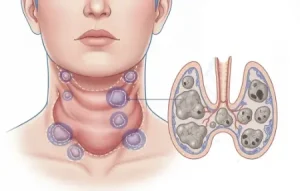
Thyroid nodules are abnormal lumps or growths that develop within the thyroid gland. The thyroid is a small gland located at the front of the neck that produces hormones responsible for regulating metabolism, body temperature, and energy levels. Thyroid nodules are relatively common and often discovered during routine medical examinations or imaging tests.
Most thyroid nodules are benign and do not cause serious health problems. In many cases, they do not affect thyroid function and may not require treatment. However, a small percentage of nodules may be cancerous, which is why proper evaluation and monitoring are important.
Symptoms
Many thyroid nodules do not cause noticeable symptoms, especially when they are small. When symptoms occur, they may include:
-
A visible or palpable lump in the neck
-
Swelling at the base of the neck
-
Difficulty swallowing
-
Hoarseness or changes in voice
-
Neck discomfort or pressure
-
Difficulty breathing if the nodule becomes large
In some cases, nodules can produce excess thyroid hormones, which may lead to symptoms such as rapid heartbeat, nervousness, weight loss, and increased sweating.
Causes
Thyroid nodules can develop for several reasons. Some occur due to abnormal growth of thyroid tissue, while others are related to inflammation or fluid filled cysts.
Common causes include:
-
Overgrowth of normal thyroid tissue
-
Thyroid cysts filled with fluid
-
Chronic inflammation of the thyroid gland
-
Iodine deficiency
-
Benign tumors of the thyroid
-
Thyroid cancer in rare cases
The exact cause of many nodules may not always be clearly identified.
Risk factors
Certain factors may increase the likelihood of developing thyroid nodules:
-
Increasing age
-
Female gender
-
Family history of thyroid disorders
-
Exposure to radiation, especially during childhood
-
Iodine deficiency
-
History of thyroid disease
These risk factors can contribute to changes in thyroid tissue that lead to nodule formation.
Complications
Although most thyroid nodules are harmless, some may lead to complications if they grow larger or affect thyroid function.
Possible complications include:
-
Difficulty swallowing or breathing due to pressure on nearby structures
-
Overproduction of thyroid hormones
-
Cosmetic concerns due to visible swelling in the neck
-
Risk of thyroid cancer in a small percentage of cases
Regular monitoring helps detect any changes in the size or characteristics of the nodules.
Prevention
There is no guaranteed way to prevent thyroid nodules, but certain measures may help reduce risk and support thyroid health:
-
Maintain adequate iodine intake through a balanced diet
-
Avoid unnecessary radiation exposure
-
Monitor thyroid health with regular medical checkups
-
Seek medical evaluation for any new or persistent neck swelling
-
Follow medical advice if diagnosed with thyroid disorders
Early detection and regular monitoring can help ensure that thyroid nodules are managed effectively and complications are minimized.
Advertisement
