
Overview
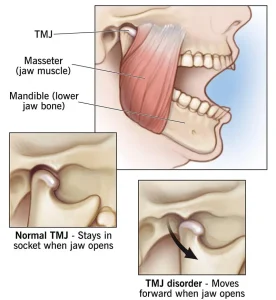
TMJ disorders refer to a group of conditions that affect the temporomandibular joint, which connects the lower jaw to the skull. This joint is located on each side of the head in front of the ears and allows the jaw to move up and down, side to side, and forward and backward. These movements are essential for speaking, chewing, and yawning.
When the temporomandibular joint or the surrounding muscles become inflamed, injured, or misaligned, it can lead to pain and difficulty moving the jaw. TMJ disorders can vary in severity, ranging from mild discomfort to significant pain that interferes with daily activities.
Symptoms
Symptoms of TMJ disorders can affect the jaw, face, and surrounding areas. The symptoms may come and go or become persistent over time.
Common symptoms include:
-
Pain or tenderness in the jaw
-
Pain around the ear or temple
-
Difficulty or discomfort while chewing
-
Clicking, popping, or grinding sounds when opening or closing the mouth
-
Locking of the jaw joint, making it difficult to open or close the mouth
-
Limited movement of the jaw
-
Headaches
-
Facial pain
-
Neck or shoulder discomfort
Symptoms may worsen during activities such as chewing, talking, or yawning.
Causes
TMJ disorders can develop due to various factors that affect the joint, muscles, or cartilage around the jaw.
Possible causes include:
-
Injury or trauma to the jaw or joint
-
Arthritis affecting the temporomandibular joint
-
Teeth grinding or clenching
-
Misalignment of the jaw or teeth
-
Stress that leads to muscle tension in the jaw
-
Damage or displacement of the cartilage disc within the joint
In many cases, the exact cause may not be clearly identified.
Risk factors
Certain factors may increase the likelihood of developing TMJ disorders:
-
Arthritis such as osteoarthritis or rheumatoid arthritis
-
Chronic teeth grinding or jaw clenching
-
Jaw injury
-
Structural jaw problems
-
Stress or anxiety
-
Connective tissue diseases that affect the jaw joint
Women are also reported to experience TMJ disorders more often than men.
Complications
If TMJ disorders are not properly managed, they may lead to several complications that affect jaw function and overall comfort.
Possible complications include:
-
Chronic jaw pain
-
Persistent headaches
-
Difficulty chewing or speaking
-
Limited jaw movement
-
Sleep disturbances due to pain
-
Increased stress and discomfort
Severe cases may significantly affect quality of life and daily activities.
Prevention
Certain habits and lifestyle changes may help reduce the risk of developing TMJ disorders or prevent symptoms from worsening:
-
Avoid excessive chewing of gum or hard foods
-
Practice stress management techniques
-
Maintain good posture to reduce strain on jaw muscles
-
Avoid clenching or grinding the teeth
-
Protect the jaw from injuries during sports
-
Seek dental care for bite or alignment problems
Early treatment and proper jaw care can help manage symptoms and prevent further joint damage.
Advertisement
