
Overview
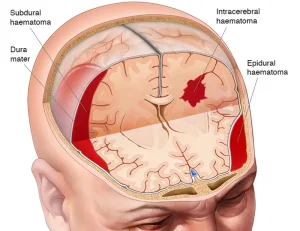
Traumatic brain injury is a condition that occurs when a sudden blow, jolt, or penetrating injury to the head disrupts the normal function of the brain. It can range from mild injuries, such as concussions, to severe brain damage that may cause long term complications or death.
Traumatic brain injury commonly results from falls, road accidents, sports injuries, or violent incidents. The severity of symptoms depends on the extent of brain damage and the area of the brain affected. Prompt medical attention is important to prevent complications and improve recovery outcomes.
Symptoms
Symptoms of traumatic brain injury can vary widely depending on whether the injury is mild, moderate, or severe. Some symptoms may appear immediately, while others develop hours or days after the injury.
Common symptoms include:
-
Headache
-
Confusion or disorientation
-
Loss of consciousness for a short period
-
Nausea or vomiting
-
Dizziness or balance problems
-
Sensitivity to light or noise
-
Blurred vision
-
Difficulty concentrating or remembering
-
Mood changes such as irritability or anxiety
In more severe cases, symptoms may include seizures, prolonged unconsciousness, slurred speech, or weakness in the limbs.
Causes
Traumatic brain injury is caused by an external force that damages the brain. The injury may occur when the brain moves suddenly inside the skull or when an object penetrates the skull.
Common causes include:
-
Falls, especially among older adults and young children
-
Motor vehicle accidents
-
Sports related injuries
-
Physical assaults or violent incidents
-
Explosions or combat injuries
-
Workplace accidents
The severity of the injury depends on the force of impact and the area of the brain involved.
Risk factors
Certain groups of people have a higher risk of traumatic brain injury.
These include:
-
Young children and older adults
-
People involved in contact sports
-
Individuals working in high risk occupations such as construction
-
People who frequently drive or ride motorcycles
-
Military personnel exposed to blast injuries
Lack of protective equipment during sports or work activities can also increase the risk.
Complications
Traumatic brain injury can lead to short term or long term complications depending on the severity of the damage.
Possible complications include:
-
Persistent headaches
-
Memory and cognitive problems
-
Difficulty with speech or communication
-
Seizures
-
Changes in personality or behavior
-
Sleep disorders
-
Long term disability or impaired mobility
Severe traumatic brain injury can sometimes result in permanent brain damage.
Prevention
Many cases of traumatic brain injury can be prevented by reducing the risk of head injuries.
Preventive measures include:
-
Wearing seat belts in vehicles
-
Using helmets while riding bicycles or motorcycles
-
Wearing protective gear during sports activities
-
Making homes safer to prevent falls, especially for older adults
-
Following workplace safety guidelines
-
Supervising young children during play and activities
Taking safety precautions can significantly reduce the likelihood of head injuries and protect brain health.
Advertisement
