
Overview
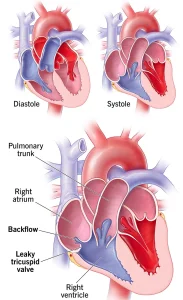
Tricuspid valve disease refers to conditions that affect the tricuspid valve, one of the four valves of the heart. This valve is located between the right atrium and the right ventricle and helps control the flow of blood through the heart.
When the tricuspid valve does not function properly, blood flow between the heart chambers becomes disrupted. The valve may leak, narrow, or fail to open and close correctly. These problems can place extra strain on the heart and may eventually lead to heart complications if not treated.
Symptoms
Symptoms of tricuspid valve disease may develop gradually and can vary depending on the severity of the valve problem.
Common symptoms include:
-
Fatigue or weakness
-
Swelling in the legs, ankles, or abdomen
-
Shortness of breath, especially during activity
-
Irregular or rapid heartbeat
-
Pulsation in the neck veins
-
Reduced ability to exercise
-
Abdominal discomfort due to fluid buildup
In mild cases, some people may not experience noticeable symptoms.
Causes
Tricuspid valve disease can develop due to several conditions that affect the structure or function of the valve.
Common causes include:
-
Congenital heart defects present at birth
-
Rheumatic heart disease
-
Heart infections such as infective endocarditis
-
Damage from heart attacks or other heart conditions
-
Enlargement of the right ventricle
-
Pulmonary hypertension
These conditions may cause the valve to leak, narrow, or become stiff.
Risk factors
Certain factors may increase the likelihood of developing tricuspid valve disease.
These include:
-
History of heart valve disorders
-
Rheumatic fever
-
Chronic lung disease
-
Pulmonary hypertension
-
Previous heart infections
-
Congenital heart abnormalities
People with other heart diseases may also have a higher risk.
Complications
If left untreated, tricuspid valve disease can lead to serious heart related complications.
Possible complications include:
-
Heart failure
-
Irregular heart rhythms
-
Enlargement of the heart chambers
-
Blood clots
-
Liver congestion due to poor blood circulation
Early diagnosis and proper treatment help reduce the risk of these complications.
Prevention
Not all cases of tricuspid valve disease can be prevented, especially those caused by congenital conditions. However, certain measures may help lower the risk.
Helpful preventive steps include:
-
Treat throat infections promptly to prevent rheumatic fever
-
Maintain good heart health through a balanced diet and regular exercise
-
Manage high blood pressure and lung conditions
-
Practice good oral hygiene to reduce the risk of heart infections
-
Attend regular medical checkups, especially if there is a history of heart disease
Early detection and proper management can help maintain heart function and improve long term health.
Advertisement
