
Overview
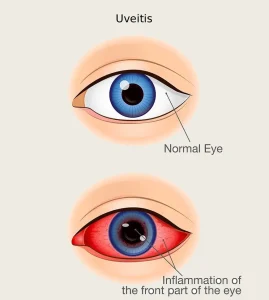
Uveitis is inflammation of the uvea, the middle layer of the eye that includes the iris, ciliary body, and choroid. This condition can affect one or both eyes and may develop suddenly or gradually. Uveitis can occur at any age and ranges from mild to severe. If not treated promptly, it can lead to serious eye complications, including vision loss. Early diagnosis and appropriate management are essential to protect eye health.
Symptoms
Symptoms of uveitis vary depending on which part of the eye is affected and how severe the inflammation is.
Common symptoms may include:
-
Eye redness
-
Eye pain or soreness
-
Sensitivity to light
-
Blurred or decreased vision
-
Dark floating spots in vision
-
Headache in some cases
Symptoms may appear suddenly and worsen quickly, especially in acute forms.
Causes
Uveitis occurs when the eye becomes inflamed, often due to immune system activity. In many cases, the exact cause is not identified.
Possible causes include:
-
Autoimmune or inflammatory diseases
-
Eye injury or trauma
-
Infections caused by bacteria, viruses, fungi, or parasites
-
Reaction to certain medications
-
Systemic diseases affecting the immune system
Sometimes uveitis develops without a clear underlying trigger.
Risk Factors
Certain factors increase the likelihood of developing uveitis.
Risk factors include:
-
Autoimmune disorders such as rheumatoid arthritis or ankylosing spondylitis
-
Infections such as tuberculosis, herpes viruses, or HIV
-
Previous eye injury or surgery
-
Smoking
-
Family history of inflammatory eye conditions
Having risk factors does not guarantee that uveitis will occur.
Complications
Untreated or recurrent uveitis can lead to serious eye problems.
Possible complications include:
-
Glaucoma due to increased eye pressure
-
Cataracts
-
Permanent vision loss
-
Damage to the retina or optic nerve
-
Scar tissue formation inside the eye
Prompt treatment reduces the risk of long-term damage.
Prevention
Not all cases of uveitis can be prevented, especially when linked to autoimmune conditions. However, certain steps may help reduce risk and support early detection.
Preventive measures may include:
-
Managing underlying autoimmune or infectious diseases
-
Protecting the eyes from injury
-
Avoiding smoking
-
Seeking immediate medical care for eye pain, redness, or vision changes
-
Attending regular eye examinations if at higher risk
Early evaluation and timely treatment are key to preserving vision and preventing complications.
Request an appointment
Advertisement
