
Overview
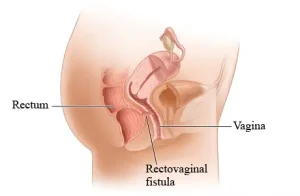
Vaginal fistula is an abnormal opening that forms between the vagina and a nearby organ, most commonly the bladder or rectum. This opening allows urine or stool to leak into the vagina, leading to ongoing discomfort and health issues. Vaginal fistulas are often the result of prolonged or obstructed labor, surgical injury, infection, or radiation therapy.
The condition can significantly affect physical health, emotional well-being, and social life. With proper medical care, most vaginal fistulas can be treated successfully, often through surgical repair.
Symptoms
Symptoms of vaginal fistula depend on the organs involved and the size of the opening. Common symptoms include:
-
Continuous leakage of urine or stool from the vagina
-
Foul-smelling vaginal discharge
-
Recurrent urinary tract or vaginal infections
-
Skin irritation around the genital area
-
Pain during sexual intercourse
-
Difficulty controlling bowel movements in some cases
-
Emotional distress and social withdrawal
Causes
Vaginal fistulas develop when vaginal tissue is damaged and fails to heal properly, resulting in an abnormal connection between organs. Common causes include:
-
Prolonged or obstructed childbirth
-
Surgical injury during gynecologic or pelvic procedures
-
Pelvic radiation therapy
-
Severe vaginal or pelvic infections
-
Inflammatory bowel diseases affecting nearby tissues
-
Trauma to the pelvic region
Risk Factors
Certain factors increase the likelihood of developing a vaginal fistula:
-
Limited access to timely obstetric care
-
Multiple or complicated childbirths
-
Prior pelvic surgery
-
Radiation treatment for pelvic cancers
-
Chronic infections or inflammatory conditions
-
Poor nutrition affecting tissue healing
Complications
If untreated, vaginal fistula can lead to serious health and quality-of-life complications:
-
Chronic infections of the urinary or reproductive tract
-
Persistent skin breakdown and irritation
-
Infertility or complications in future pregnancies
-
Emotional and psychological distress
-
Social isolation due to embarrassment or discomfort
Prevention
While not all vaginal fistulas can be prevented, certain measures can reduce risk:
-
Access to skilled prenatal and childbirth care
-
Prompt treatment of prolonged or obstructed labor
-
Careful surgical techniques during pelvic procedures
-
Early management of pelvic infections
-
Regular medical follow-up after pelvic surgery or radiation
Early diagnosis and timely treatment play a key role in preventing complications and improving long-term outcomes.
Advertisement
