
Overview
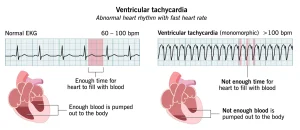
Ventricular fibrillation is a life-threatening heart rhythm disorder in which the lower chambers of the heart, called the ventricles, quiver rapidly and irregularly instead of pumping blood effectively. This causes an immediate loss of blood flow to the brain and vital organs, leading to sudden cardiac arrest.
Ventricular fibrillation is a medical emergency that requires immediate treatment. Without prompt intervention, such as defibrillation and cardiopulmonary resuscitation, it can result in death within minutes.
Symptoms
Ventricular fibrillation occurs suddenly and often without warning. Symptoms may include:
-
Sudden collapse
-
Loss of consciousness
-
No pulse
-
No effective breathing
-
Dizziness or lightheadedness just before collapse in some cases
-
Chest pain or shortness of breath prior to the event in certain individuals
Immediate emergency care is critical when these symptoms occur.
Causes
Ventricular fibrillation is caused by abnormal electrical activity in the heart that disrupts its normal rhythm. It often develops as a complication of underlying heart disease.
Common causes include:
-
Heart attack or reduced blood flow to the heart muscle
-
Coronary artery disease
-
Cardiomyopathy
-
Previous episodes of ventricular arrhythmias
-
Severe electrolyte imbalances
-
Congenital heart abnormalities
-
Electric shock or trauma to the chest
-
Drug toxicity or adverse medication effects
Risk Factors
Several factors increase the risk of ventricular fibrillation:
-
History of heart attack
-
Coronary artery disease
-
Heart failure
-
Cardiomyopathy
-
Previous cardiac arrest or ventricular arrhythmias
-
Family history of sudden cardiac death
-
Severe electrolyte disturbances
-
Substance abuse, including stimulant drugs
Complications
Ventricular fibrillation can lead to serious complications, even when treated promptly:
-
Sudden cardiac death
-
Brain damage due to lack of oxygen
-
Permanent heart damage
-
Coma
-
Reduced quality of life after survival
-
Emotional and psychological effects following cardiac arrest
The risk and severity of complications increase with delays in treatment.
Prevention
While ventricular fibrillation cannot always be prevented, steps can be taken to reduce risk, especially in individuals with heart disease:
-
Managing coronary artery disease and heart failure
-
Controlling blood pressure, cholesterol, and diabetes
-
Avoiding smoking and illicit drug use
-
Regular medical follow-up for heart conditions
-
Using medications as prescribed to control heart rhythm
-
Implantable cardioverter-defibrillator placement in high-risk individuals
Early identification of heart disease and adherence to treatment plans are key to reducing the risk of ventricular fibrillation.
Advertisement
