
Overview
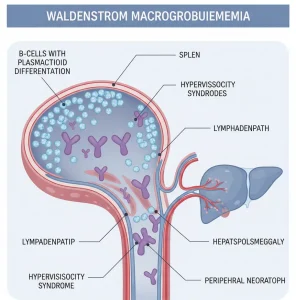
Waldenström macroglobulinemia (WM) is a rare type of non-Hodgkin lymphoma characterized by the overproduction of abnormal white blood cells called B lymphocytes. These cells produce excessive amounts of an abnormal protein known as immunoglobulin M (IgM), which can thicken the blood and interfere with normal blood flow.
WM progresses slowly and is considered a chronic condition. Symptoms often develop gradually, and many individuals may remain asymptomatic for years. Early diagnosis and treatment help manage symptoms and prevent complications.
Symptoms
Symptoms of Waldenström macroglobulinemia may vary depending on the level of abnormal IgM and the impact on organs. Common symptoms include:
-
Fatigue and weakness
-
Unintentional weight loss
-
Night sweats
-
Fever or frequent infections
-
Swollen lymph nodes
-
Easy bruising or bleeding
-
Numbness, tingling, or weakness due to nerve compression (peripheral neuropathy)
-
Vision changes or headaches due to thickened blood (hyperviscosity)
-
Enlarged liver or spleen in some cases
Some individuals may remain symptom-free for a long time and only be diagnosed through blood tests.
Causes
The exact cause of WM is not fully understood, but it occurs due to genetic mutations in B lymphocytes that lead to uncontrolled growth and excessive IgM production.
Possible contributing factors include:
-
Age, as most cases occur in individuals over 60
-
Family history of blood cancers
-
Certain genetic mutations
-
Environmental factors, though specific triggers are not clearly identified
WM is not contagious and cannot be transmitted from person to person.
Risk Factors
Factors that increase the risk of developing Waldenström macroglobulinemia include:
-
Advanced age, typically over 60 years
-
Male sex (slightly higher risk than females)
-
Family history of WM or other lymphoproliferative disorders
-
Certain genetic mutations associated with blood cancers
Complications
If left untreated, WM can lead to serious complications due to abnormal IgM levels and impaired blood function:
-
Hyperviscosity syndrome, causing blurred vision, headaches, or dizziness
-
Anemia due to impaired red blood cell production
-
Increased susceptibility to infections
-
Bleeding or bruising due to low platelet counts
-
Organ enlargement (liver, spleen)
-
Peripheral neuropathy causing numbness or weakness
Timely treatment reduces the risk of severe complications.
Prevention
There is no known way to prevent Waldenström macroglobulinemia due to its genetic origin. However, steps to manage risk and monitor for early signs include:
-
Regular medical checkups, especially for older adults or those with a family history of blood cancers
-
Prompt evaluation of unexplained fatigue, bruising, or neurological symptoms
-
Maintaining overall health and immune system function
-
Following medical advice for monitoring and managing blood counts
With early diagnosis and appropriate treatment, including targeted therapies, chemotherapy, or supportive care, most individuals can manage symptoms and maintain quality of life.
Advertisement
