
Overview
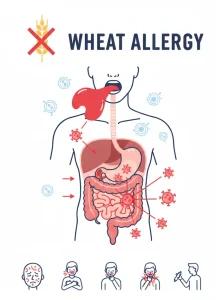
Wheat allergy is an immune system reaction that occurs when the body mistakenly identifies proteins found in wheat as harmful. This reaction can develop in both children and adults and may range from mild symptoms to severe, life-threatening allergic responses.
Unlike celiac disease, which is an autoimmune disorder, wheat allergy involves an immediate allergic reaction after consuming or inhaling wheat-containing products. Symptoms typically appear within minutes to a few hours after exposure.
Symptoms
Symptoms of wheat allergy vary in severity and may affect different parts of the body:
-
Skin reactions such as hives, itching, or swelling
-
Nasal congestion, sneezing, or runny nose
-
Abdominal pain, nausea, vomiting, or diarrhea
-
Shortness of breath, wheezing, or difficulty breathing
-
Headache or fatigue
-
Swelling of the lips, tongue, or throat
-
Anaphylaxis in severe cases, which may include dizziness, rapid heartbeat, and loss of consciousness
Symptoms often occur soon after eating wheat or inhaling wheat flour dust.
Causes
Wheat allergy is caused by an abnormal immune response to one or more proteins found in wheat, including gluten and other non-gluten proteins. When exposed, the immune system releases chemicals such as histamine, leading to allergic symptoms.
Triggers may include:
-
Eating foods containing wheat
-
Inhaling wheat flour or dust
-
Skin contact with wheat-based products
The condition is more common in children and may be outgrown with age.
Risk Factors
Factors that may increase the risk of developing a wheat allergy include:
-
Family history of allergies, asthma, or eczema
-
Having other food allergies
-
Childhood exposure to allergic conditions such as atopic dermatitis
-
Occupational exposure to wheat flour, such as in bakers
Complications
Wheat allergy can lead to serious complications if not properly managed:
-
Anaphylaxis requiring emergency medical treatment
-
Nutritional deficiencies if wheat is eliminated without proper dietary planning
-
Anxiety or reduced quality of life due to fear of accidental exposure
-
Increased risk of asthma symptoms in sensitive individuals
Prompt diagnosis and strict avoidance are essential to prevent complications.
Prevention
While wheat allergy cannot always be prevented, steps can be taken to reduce reactions and complications:
-
Avoiding foods and products containing wheat
-
Reading food labels carefully to identify hidden wheat ingredients
-
Using alternative grains such as rice, corn, oats (certified gluten-free), or quinoa
-
Carrying emergency medication such as antihistamines or an epinephrine auto-injector if prescribed
-
Educating caregivers, teachers, and family members about the allergy
-
Consulting a healthcare provider or dietitian for safe dietary planning
With proper management and awareness, most individuals with wheat allergy can effectively control symptoms and maintain a healthy lifestyle.
Request an appointment
Advertisement
