
Overview
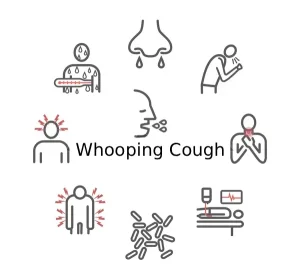
Whooping cough, also known as pertussis, is a highly contagious respiratory infection caused by the bacterium Bordetella pertussis. It affects people of all ages but can be especially serious in infants and young children.
The condition is characterized by severe coughing spells that can interfere with breathing. Despite vaccination programs, whooping cough continues to occur worldwide, particularly in areas with low immunization coverage.
Symptoms
Symptoms of whooping cough usually develop in stages and may last for several weeks:
-
Runny nose
-
Mild fever
-
Sneezing
-
Mild, occasional cough in the early stage
-
Severe coughing fits that may end with a high-pitched “whooping” sound
-
Vomiting after coughing
-
Exhaustion following coughing episodes
-
Difficulty breathing or pauses in breathing in infants
In adults, the classic whooping sound may be absent, but prolonged coughing is common.
Causes
Whooping cough is caused by infection with Bordetella pertussis bacteria. The bacteria attach to the lining of the respiratory tract and release toxins that damage the airways and cause inflammation.
The infection spreads easily from person to person through respiratory droplets released when coughing or sneezing.
Risk Factors
Factors that increase the risk of developing whooping cough include:
-
Not being vaccinated or incomplete vaccination
-
Waning immunity over time after childhood vaccination
-
Close contact with an infected person
-
Infants younger than one year, especially those not fully immunized
-
Living in crowded environments
Complications
Whooping cough can lead to serious complications, particularly in infants and young children:
-
Pneumonia
-
Dehydration and weight loss
-
Apnea or breathing pauses in infants
-
Rib fractures or abdominal hernias from severe coughing
-
Seizures or brain damage in severe cases
-
Death in rare but severe infant cases
Adults may experience complications such as sleep disturbance, urinary incontinence, or fainting due to intense coughing.
Prevention
Preventive measures are highly effective in reducing the spread and severity of whooping cough:
-
Routine vaccination according to recommended schedules
-
Booster doses for adolescents and adults
-
Vaccination during pregnancy to protect newborns
-
Avoiding close contact with infected individuals
-
Practicing good respiratory hygiene, including covering the mouth when coughing
-
Early medical treatment and isolation of infected individuals
Timely vaccination and prompt medical care play a crucial role in preventing severe illness and controlling outbreaks of whooping cough.
Advertisement
