
Overview
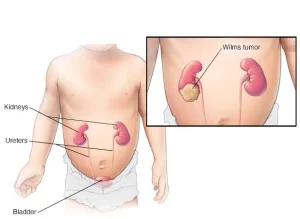
Wilms tumor is a rare type of kidney cancer that primarily affects children, most commonly those under the age of five. It develops in one or both kidneys and is also known as nephroblastoma. Wilms tumor is one of the most common childhood kidney cancers and has a high cure rate when detected and treated early.
Advances in surgery, chemotherapy, and radiation therapy have significantly improved outcomes for children with Wilms tumor.
Symptoms
Symptoms of Wilms tumor may develop gradually or suddenly and can include:
-
A painless swelling or lump in the abdomen
-
Abdominal pain or discomfort
-
Blood in the urine
-
Fever without a clear cause
-
Loss of appetite
-
Nausea or vomiting
-
High blood pressure
-
Fatigue or weakness
In some cases, the tumor is discovered incidentally during a routine physical examination.
Causes
The exact cause of Wilms tumor is not fully understood. It occurs due to abnormal development of kidney cells that begin growing uncontrollably. These changes often happen before birth, although symptoms may not appear until early childhood.
Genetic mutations and abnormalities in kidney development play a key role in tumor formation.
Risk Factors
Certain factors increase the risk of developing Wilms tumor:
-
Age under five years
-
Family history of Wilms tumor
-
Genetic syndromes or birth defects, such as aniridia or Beckwith-Wiedemann syndrome
-
Abnormal kidney or urinary tract development
-
African ancestry, which is associated with a slightly higher risk
Complications
If not treated promptly, Wilms tumor can lead to serious complications:
-
Spread of cancer to the lungs, liver, or other organs
-
Kidney damage or reduced kidney function
-
High blood pressure due to kidney involvement
-
Side effects related to chemotherapy or radiation therapy
-
Emotional and psychological stress for the child and family
Early treatment greatly reduces the risk of complications.
Prevention
There is no known way to prevent Wilms tumor, but early detection improves outcomes:
-
Regular medical checkups for children with known genetic syndromes or birth defects
-
Monitoring children with a family history of Wilms tumor
-
Prompt evaluation of unexplained abdominal swelling or blood in urine
-
Following recommended treatment and follow-up schedules after diagnosis
With early diagnosis and comprehensive treatment, most children with Wilms tumor achieve long-term survival and maintain good quality of life.
Advertisement
