
Overview
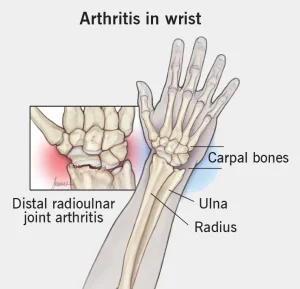
Wrist pain is a common condition that can result from injury, overuse, inflammation, or underlying medical disorders affecting the wrist joint and surrounding structures. The wrist is a complex joint made up of bones, ligaments, tendons, and nerves, making it vulnerable to strain and injury during daily activities, work, or sports.
Wrist pain can be temporary or chronic and may affect hand function, grip strength, and overall mobility.
Symptoms
Symptoms of wrist pain vary depending on the underlying cause and may include:
-
Pain or aching in the wrist
-
Swelling or tenderness
-
Stiffness or reduced range of motion
-
Weakness or difficulty gripping objects
-
Numbness or tingling in the hand or fingers
-
Clicking or popping sensation during movement
-
Warmth or redness in cases of inflammation
Pain may worsen with movement, repetitive tasks, or pressure on the wrist.
Causes
Wrist pain can arise from a wide range of conditions and injuries:
-
Sprains or strains due to sudden injury or overuse
-
Fractures of the wrist bones from falls or trauma
-
Tendinitis or tenosynovitis from repetitive motion
-
Carpal tunnel syndrome causing nerve compression
-
Arthritis, including osteoarthritis or rheumatoid arthritis
-
Ganglion cysts
-
Inflammatory or autoimmune conditions
Identifying the underlying cause is essential for effective treatment.
Risk Factors
Several factors increase the risk of developing wrist pain:
-
Repetitive wrist movements, such as typing or manual labor
-
Sports activities that stress the wrist
-
Previous wrist injury
-
Poor ergonomics at work or during daily activities
-
Age-related joint degeneration
-
Certain medical conditions, such as diabetes or arthritis
Complications
If wrist pain is not properly treated, it can lead to complications:
-
Chronic pain and stiffness
-
Reduced grip strength and hand function
-
Nerve damage in conditions like carpal tunnel syndrome
-
Joint instability
-
Difficulty performing daily tasks or work activities
Early evaluation helps prevent long-term problems.
Prevention
Preventive measures can help reduce the risk of wrist pain:
-
Using proper ergonomics during work and computer use
-
Taking frequent breaks from repetitive activities
-
Strengthening and stretching wrist and forearm muscles
-
Wearing protective gear during sports or high-risk activities
-
Maintaining good posture and hand positioning
-
Seeking early treatment for minor wrist discomfort
Prompt medical assessment and appropriate care help relieve pain, restore function, and prevent complications related to wrist pain.
Advertisement
