
Overview
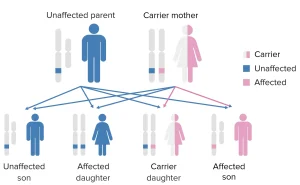
X-linked agammaglobulinemia is a rare inherited disorder of the immune system that affects the body’s ability to fight infections. It primarily occurs in males and is usually diagnosed in infancy or early childhood. The condition prevents the normal development of B lymphocytes, which are white blood cells responsible for producing antibodies.
Because antibodies play a key role in defending against bacteria and some viruses, people with X-linked agammaglobulinemia are highly susceptible to recurrent and severe infections. With early diagnosis and ongoing treatment, many individuals can lead relatively normal lives.
Symptoms
Symptoms usually appear after the first few months of life, once protective antibodies passed from the mother have decreased. Common symptoms include:
-
Recurrent infections of the ears, sinuses, lungs, and skin
-
Frequent or severe bacterial infections
-
Pneumonia or chronic lung infections
-
Persistent diarrhea or gastrointestinal infections
-
Poor growth or delayed development in children
Viral infections that depend heavily on antibody defense may also be more severe in affected individuals.
Causes
X-linked agammaglobulinemia is caused by a mutation in the BTK gene, which is essential for the development of B cells. This gene is located on the X chromosome.
Because males have only one X chromosome, a single altered gene is enough to cause the condition. Females usually do not develop symptoms because they have two X chromosomes, but they may carry and pass the gene to their children.
Risk factors
Risk factors for X-linked agammaglobulinemia include:
-
Male sex
-
Family history of immune system disorders
-
Having a mother who carries the altered BTK gene
There are no lifestyle-related risk factors for this condition.
Complications
Without proper treatment, X-linked agammaglobulinemia can lead to serious complications, such as:
-
Chronic lung disease due to repeated infections
-
Permanent damage to organs affected by infections
-
Severe bloodstream infections
-
Increased risk of certain inflammatory or autoimmune conditions
Early and consistent treatment significantly reduces the risk of long-term complications.
Prevention
There is no way to prevent X-linked agammaglobulinemia, as it is a genetic condition present from birth. However, steps can reduce complications and improve quality of life:
-
Early diagnosis through genetic and immune testing
-
Regular immunoglobulin replacement therapy
-
Prompt treatment of infections
-
Avoidance of live vaccines unless advised by a specialist
-
Genetic counseling for families with a history of the disorder
Ongoing medical care and monitoring are essential for managing this lifelong condition.
Request an appointment
Advertisement
