
Overview
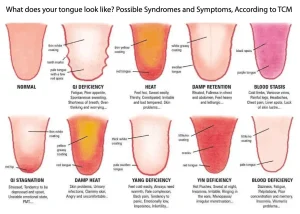
Yellow tongue is a condition in which the surface of the tongue appears yellow instead of its usual pink color. It is usually harmless and temporary, but it can sometimes signal an underlying issue related to oral hygiene, lifestyle habits, infections, or digestive problems.
The yellow color often develops when dead skin cells build up on the tongue and trap bacteria or yeast. In most cases, yellow tongue improves with better oral care and simple lifestyle changes. Rarely, it may be linked to medical conditions that require evaluation.
Symptoms
The primary symptom of yellow tongue is a noticeable change in tongue color. Other symptoms may occur depending on the cause and can include:
-
Yellow or yellow-brown coating on the tongue
-
Thick or fuzzy appearance of the tongue surface
-
Bad breath
-
Dry mouth
-
Altered or unpleasant taste
-
Mild discomfort or burning sensation
Symptoms are usually painless and often improve once the underlying cause is addressed.
Causes
Yellow tongue occurs when debris, bacteria, or yeast accumulate on the tongue’s surface. Common causes include poor oral hygiene, dehydration, and dry mouth, which allow dead cells to build up.
Other possible causes include smoking or tobacco use, excessive coffee or tea consumption, and certain medications such as antibiotics or mouthwashes that alter the normal balance of bacteria in the mouth. In some cases, yellow tongue may be associated with oral thrush, digestive issues, or conditions that slow the natural shedding of tongue cells.
Risk factors
Factors that increase the likelihood of developing yellow tongue include:
-
Poor oral hygiene habits
-
Smoking or chewing tobacco
-
Dry mouth or dehydration
-
Frequent use of antibiotics
-
Excessive alcohol, coffee, or tea intake
-
Mouth breathing
-
Weakened immune system
These factors make it easier for bacteria, yeast, and debris to accumulate on the tongue.
Complications
Yellow tongue is rarely serious and usually does not lead to complications. However, if left unaddressed, it may contribute to persistent bad breath or indicate an underlying infection or health issue.
In cases where yellow tongue is caused by oral thrush or another infection, complications may occur if treatment is delayed. Persistent or worsening discoloration should be evaluated by a healthcare professional.
Prevention
Yellow tongue can often be prevented with good oral and general health practices. Helpful preventive steps include brushing the tongue gently when brushing teeth, staying well hydrated, and maintaining regular dental care.
Avoiding tobacco products, limiting alcohol and caffeine, and using medications only as prescribed may also reduce the risk. If yellow tongue develops repeatedly or does not improve with routine care, a medical or dental evaluation can help identify and manage the underlying cause.
Advertisement
