
Overview
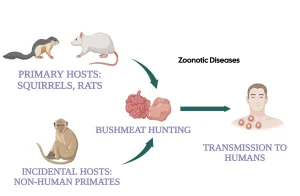
Zoonotic diseases are infections that spread between animals and humans. These diseases can be caused by bacteria, viruses, parasites or fungi. Transmission may occur through direct contact with animals, contact with animal waste, consumption of contaminated food or water, or through vectors such as mosquitoes, ticks and fleas.
Zoonotic diseases are common worldwide and range from mild illnesses to serious, life-threatening conditions. Examples include rabies, brucellosis, avian influenza, Lyme disease and COVID-19. People who work closely with animals or live in areas with limited sanitation may be at higher risk.
Symptoms
Symptoms of zoonotic diseases vary widely depending on the type of infection and the organs involved. Some infections cause mild symptoms, while others lead to severe illness.
Common symptoms may include:
-
Fever and chills
-
Fatigue and weakness
-
Muscle aches and joint pain
-
Headache
-
Nausea, vomiting or diarrhea
In more serious cases, symptoms may include:
-
Breathing difficulty
-
Neurological symptoms such as confusion or seizures
-
Skin rashes or lesions
-
Organ failure
Some zoonotic infections may cause no symptoms at first but can become serious over time.
Causes
Zoonotic diseases are caused by infectious agents that normally live in animals and can be transmitted to humans. These pathogens may spread in several ways.
Common causes include:
-
Direct contact with infected animals, including bites, scratches or handling
-
Contact with animal blood, saliva, urine or feces
-
Eating undercooked or contaminated meat, milk or eggs
-
Drinking contaminated water
-
Bites from infected insects such as mosquitoes or ticks
-
Exposure to environments contaminated by animals
Human activities such as deforestation, wildlife trade and intensive farming can increase the risk of zoonotic disease spread.
Risk factors
Certain factors can increase the risk of developing zoonotic diseases.
Risk factors include:
-
Close contact with animals, including pets, livestock or wildlife
-
Working in occupations such as farming, veterinary care, animal handling or wildlife management
-
Living in areas with poor sanitation or limited access to clean water
-
Traveling to regions where certain zoonotic diseases are common
-
Weakened immune system due to illness or medications
-
Poor food safety and hygiene practices
Children, older adults and people with chronic illnesses may be more vulnerable to severe disease.
Complications
Complications of zoonotic diseases depend on the specific infection and how quickly it is treated.
Possible complications include:
-
Severe infections affecting the lungs, brain or other organs
-
Long-term health problems such as joint pain or neurological damage
-
Pregnancy complications, including miscarriage or birth defects
-
Spread of infection to other people
-
Death in severe or untreated cases
Early diagnosis and appropriate treatment reduce the risk of serious complications.
Prevention
Many zoonotic diseases can be prevented by reducing exposure to infected animals and following good hygiene and safety practices.
Prevention strategies include:
-
Washing hands thoroughly after handling animals or animal products
-
Cooking meat thoroughly and avoiding unpasteurized milk and dairy products
-
Using insect repellent and protective clothing to prevent insect bites
-
Vaccinating pets and livestock as recommended
-
Avoiding contact with sick or wild animals
-
Maintaining clean living and food preparation environments
-
Following public health guidance during outbreaks
Public health surveillance, animal health programs and education play an important role in reducing the spread of zoonotic diseases.
Advertisement
