
Overview
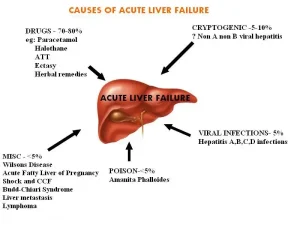
Acute liver failure is a rapid loss of liver function that develops over days or weeks, usually in someone who did not previously have liver disease. It most commonly occurs due to viral hepatitis or the effects of certain medicines, especially acetaminophen. Unlike chronic liver failure, which progresses slowly over time, acute liver failure develops suddenly and can worsen quickly.
This condition, also called fulminant hepatic failure, can lead to severe and life-threatening complications such as bleeding problems and increased pressure in the brain. Acute liver failure is a medical emergency and always requires hospitalization.
In some cases, treating the underlying cause can reverse acute liver failure. However, when liver damage is extensive, a liver transplant may be the only effective treatment option.
Symptoms
Symptoms of acute liver failure often appear quickly and may worsen over a short period of time. They can include:
-
Yellowing of the skin and the whites of the eyes, known as jaundice
-
Pain or tenderness in the upper right area of the abdomen
-
Swelling of the abdomen due to fluid buildup, called ascites
-
Nausea and vomiting
-
A general feeling of illness or discomfort, known as malaise
-
Confusion, disorientation, or difficulty thinking clearly
-
Excessive sleepiness
-
Breath that has a musty or sweet smell
-
Shaking or tremors
Because acute liver failure can progress rapidly, any sudden combination of these symptoms requires immediate medical attention.
Causes
Acute liver failure happens when liver cells are severely damaged and can no longer perform their normal functions. There are many possible causes.
The most common cause in the United States is acetaminophen overdose. Taking a single very large dose or taking higher-than-recommended doses over several days can overwhelm the liver. In many cases, early treatment after an overdose can prevent liver failure.
Viral infections are another major cause. Hepatitis A, B, and E viruses are known to increase the risk. Other viruses, such as Epstein-Barr virus, cytomegalovirus, and herpes simplex virus, may also trigger acute liver failure.
Certain prescription medicines, including some antibiotics, anti-seizure medicines, and nonsteroidal anti-inflammatory drugs, can damage the liver. Herbal supplements such as kava, ephedra, skullcap, and pennyroyal have also been linked to acute liver failure.
Exposure to toxins can lead to severe liver injury. Examples include poisonous mushrooms like Amanita phalloides and industrial chemicals such as carbon tetrachloride. Autoimmune hepatitis, in which the immune system attacks liver cells, is another possible cause.
Diseases affecting blood flow in the liver, such as Budd-Chiari syndrome, can block liver veins and lead to acute failure. Rare metabolic disorders, including Wilson’s disease and acute fatty liver of pregnancy, may also be responsible. In addition, cancer involving the liver, severe infections with shock, heat stroke, and overwhelming physical stress can all cause acute liver failure. In some cases, no clear cause is identified.
Risk factors
Certain factors can increase the likelihood of developing acute liver failure. These include:
-
Being female, as a higher number of cases occur in women
-
Having underlying medical conditions such as viral hepatitis, autoimmune disease, metabolic disorders, or cancer
-
Use of medicines or supplements that can affect liver function
While acute liver failure can occur in healthy individuals, these factors may raise the overall risk.
Complications
Acute liver failure often leads to serious complications that can affect multiple organs.
One major complication is swelling of the brain, called cerebral edema. This buildup of fluid increases pressure inside the skull and can cause confusion, seizures, and loss of consciousness.
Bleeding problems are common because the damaged liver cannot produce enough clotting factors. This may result in uncontrolled bleeding, especially in the digestive tract. Infections are also more likely, particularly in the blood, lungs, and urinary tract.
Kidney failure frequently develops alongside liver failure, especially in cases caused by acetaminophen overdose. Together, these complications significantly increase the risk of death if not treated promptly.
Prevention
You can reduce the risk of acute liver failure by taking steps to protect your liver.
Always follow dosing instructions for medicines, especially acetaminophen, and never take more than the recommended amount. If you already have liver disease, consult your healthcare provider before using any medication, including over-the-counter drugs.
Inform your healthcare team about all medicines and supplements you use, as some combinations can be harmful to the liver. Drink alcohol only in moderation, or avoid it altogether if possible.
Avoid behaviors that increase the risk of viral hepatitis. This includes not sharing needles, using protection during sex, and choosing reputable facilities for tattoos or body piercings. Vaccination against hepatitis A and B is recommended for people at risk.
Be cautious when handling chemicals, aerosol sprays, and insecticides. Ensure good ventilation, wear protective clothing, and follow safety instructions. Do not eat wild mushrooms unless they are identified as safe by an expert.
Maintaining a healthy weight is also important. Obesity can lead to fatty liver disease, which increases the risk of serious liver damage.
Advertisement
