
Overview
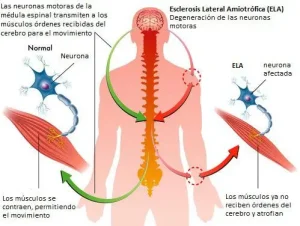
Amyotrophic lateral sclerosis (ALS) is a progressive nervous system disease that affects nerve cells in the brain and spinal cord. These nerve cells, known as motor neurons, are responsible for controlling voluntary muscle movements such as walking, speaking, swallowing and breathing. As ALS progresses, it leads to a gradual loss of muscle control and strength.
ALS is also commonly known as Lou Gehrig’s disease, named after the baseball player who was diagnosed with the condition. The exact cause of ALS is not fully understood. In most cases, the disease occurs sporadically, while a small percentage of cases are inherited.
The condition often begins with subtle symptoms such as muscle twitching or weakness in an arm or leg, difficulty swallowing, or slurred speech. Over time, ALS affects the muscles needed for movement, communication, eating and breathing. Currently, there is no cure for ALS, and the disease is considered fatal.
Symptoms
Symptoms of ALS can vary widely from person to person and depend on which motor neurons are affected first. In most cases, symptoms begin mildly and worsen gradually over time.
Common symptoms may include:
-
Difficulty walking or performing routine daily activities
-
Tripping or frequent falls
-
Weakness in the legs, feet or ankles
-
Weakness or clumsiness in the hands
-
Slurred speech or difficulty swallowing
-
Muscle cramps, twitching or stiffness in the arms, shoulders or tongue
-
Episodes of uncontrollable crying, laughing or yawning
-
Changes in thinking, behavior or personality
ALS often starts in the hands, feet, arms or legs and then spreads to other parts of the body. As more motor neurons deteriorate, muscles weaken further, eventually affecting chewing, swallowing, speaking and breathing.
Pain is generally not present in the early stages of ALS and is uncommon in later stages. ALS typically does not affect bladder control or the senses, including taste, smell, touch, hearing or vision.
Causes
ALS affects motor neurons, which control voluntary muscle movements. These neurons are divided into two main groups. Upper motor neurons extend from the brain to the spinal cord, while lower motor neurons extend from the spinal cord to muscles throughout the body.
In ALS, both upper and lower motor neurons gradually deteriorate and die. When these nerve cells stop functioning, they can no longer send messages to the muscles. As a result, muscles weaken, shrink and eventually lose their ability to function.
About 10% of ALS cases are linked to inherited genetic mutations. In the remaining cases, the cause is unknown. Researchers believe ALS likely develops due to a complex interaction between genetic factors and environmental exposures.
Risk factors
Several factors have been associated with an increased risk of developing ALS.
Genetics plays a role in a small percentage of cases. People with hereditary ALS may pass the condition to their children, with each child having a 50% chance of inheriting the gene.
Age is another factor, as the risk of ALS increases with age. The condition is most commonly diagnosed between the ages of 60 and the mid-80s.
Sex may influence risk, with slightly more men than women developing ALS before age 65. This difference becomes less noticeable after age 70.
Environmental factors that may increase risk include:
-
Smoking, which has been linked to a higher risk of ALS, particularly in women after menopause
-
Exposure to environmental toxins such as lead or other harmful substances at work or home
-
Military service, which has been associated with a higher incidence of ALS, possibly due to exposure to chemicals, metals, physical trauma, infections or intense physical exertion
Complications
As ALS progresses, it can lead to several serious complications that significantly affect quality of life.
Breathing problems develop as the muscles responsible for breathing weaken. Some people with ALS may need noninvasive ventilation using a mask, especially during sleep. In advanced cases, a surgically created opening in the neck, called a tracheostomy, may be used to support breathing. Respiratory failure is the most common cause of death in people with ALS.
Speaking difficulties are common as muscles involved in speech weaken. Speech may become slow and slurred before becoming difficult to understand. Over time, many people rely on alternative communication methods and assistive technologies.
Eating and swallowing problems can lead to malnutrition, dehydration and an increased risk of food or liquids entering the lungs, which may cause pneumonia. A feeding tube can help ensure adequate nutrition and hydration while reducing these risks.
Cognitive and behavioral changes can occur in some individuals with ALS. Difficulties with language, judgment and decision-making may develop, and some people are eventually diagnosed with frontotemporal dementia.
Prevention
There is currently no known way to prevent ALS, as the exact cause of the disease remains unclear. However, ongoing research aims to better understand genetic and environmental factors that may contribute to its development.
Reducing exposure to known environmental risks, such as avoiding smoking and minimizing contact with harmful toxins, may support overall neurological health. Genetic counseling may be helpful for individuals with a family history of ALS. Early diagnosis and supportive care remain essential for managing symptoms and improving quality of life.
Request an appointment
Advertisement
