
Overview
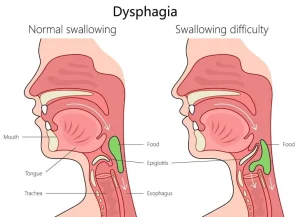
Dysphagia is a medical condition characterized by difficulty swallowing. It can affect the movement of food or liquids from the mouth to the stomach and may occur at any stage of the swallowing process. Dysphagia can be temporary or chronic and may range from mild discomfort to severe swallowing impairment.
Symptoms
Symptoms of dysphagia vary depending on the underlying cause and severity:
-
Difficulty swallowing food or liquids
-
Sensation of food sticking in the throat or chest
-
Pain while swallowing
-
Coughing or choking during eating or drinking
-
Regurgitation of food
-
Drooling
-
Hoarseness or voice changes
-
Unintentional weight loss
-
Recurrent chest infections due to aspiration
Causes
Dysphagia can result from a wide range of conditions affecting the muscles or nerves involved in swallowing:
-
Stroke
-
Neurological disorders such as Parkinson’s disease
-
Esophageal strictures or narrowing
-
Gastroesophageal reflux disease
-
Esophageal cancer
-
Muscle disorders affecting swallowing
-
Infections or inflammation of the throat
-
Aging-related muscle weakness
Risk Factors
Certain factors increase the risk of developing dysphagia:
-
Older age
-
Neurological diseases
-
History of stroke
-
Head or neck cancer
-
Previous surgery or radiation therapy
-
Chronic acid reflux
-
Smoking and excessive alcohol use
Complications
If dysphagia is not properly managed, it may lead to:
-
Aspiration pneumonia
-
Malnutrition
-
Dehydration
-
Weight loss
-
Choking episodes
-
Reduced quality of life
-
Social anxiety related to eating
Prevention
While dysphagia cannot always be prevented, some measures may reduce risk or severity:
-
Managing underlying medical conditions
-
Seeking early treatment for swallowing difficulties
-
Eating slowly and chewing food thoroughly
-
Maintaining good oral hygiene
-
Avoiding smoking and excessive alcohol use
-
Regular medical follow-up for high-risk individuals
Request an appointment
Advertisement
