
Overview
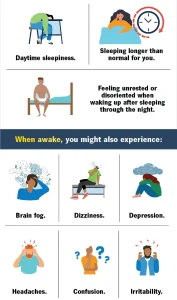
Idiopathic hypersomnia (IH) is a chronic neurological sleep disorder characterized by excessive daytime sleepiness despite getting sufficient or prolonged nighttime sleep. Unlike narcolepsy, individuals with IH do not experience sudden muscle weakness (cataplexy). The exact cause of idiopathic hypersomnia is unknown, but it is believed to involve dysfunction in the brain’s sleep-wake regulation. The condition can significantly impact daily life, work, and social functioning.
Symptoms
-
Persistent excessive daytime sleepiness, even after long nights of sleep
-
Difficulty waking up in the morning (sleep inertia or “sleep drunkenness”)
-
Long, unrefreshing naps that do not relieve sleepiness
-
Cognitive difficulties, including poor concentration and memory problems
-
Irritability, low motivation, and fatigue
-
In severe cases, prolonged nighttime sleep of 10–12 hours or more
Causes
The exact cause of idiopathic hypersomnia is unknown. Possible contributing factors include:
-
Abnormalities in the brain regions controlling sleep-wake cycles
-
Neurochemical imbalances affecting alertness
-
Genetic predisposition in some cases
Risk factors
-
Age: Most commonly begins in adolescence or early adulthood
-
Family history of hypersomnia or other sleep disorders
-
Possible genetic factors, though research is ongoing
Complications
-
Impaired academic or work performance due to persistent sleepiness
-
Increased risk of accidents, particularly while driving or operating machinery
-
Emotional and social difficulties, including depression or anxiety
-
Reduced quality of life due to chronic fatigue and cognitive impairment
Prevention
There is no known way to prevent idiopathic hypersomnia, but management strategies can help reduce symptoms and improve daily functioning:
-
Maintaining a consistent sleep schedule
-
Scheduled naps, if beneficial
-
Medications prescribed by a sleep specialist, such as stimulants or wake-promoting agents
-
Good sleep hygiene, including limiting caffeine late in the day and creating a restful sleep environment
-
Regular monitoring and support from healthcare professionals
Idiopathic hypersomnia is a lifelong condition, but with proper diagnosis and management, individuals can improve alertness and quality of life.
Advertisement
