
Overview
Diagnosis
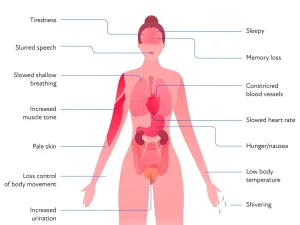
The diagnosis of hypothermia is usually clear based on a person’s symptoms and the conditions in which they became ill or were found. Signs such as shivering, confusion, slow breathing, or drowsiness can indicate low body temperature. Blood tests can confirm hypothermia and determine its severity by measuring core body temperature and related metabolic changes.
However, mild cases can sometimes be missed. For instance, an older adult indoors with symptoms like confusion, lack of coordination, and slurred speech may not immediately be suspected of having hypothermia. Therefore, awareness of environmental exposure and early detection are important for proper diagnosis.
Treatment
Immediate medical attention is essential for anyone suspected of having hypothermia. While waiting for medical help, certain first-aid steps can help prevent further heat loss and gradually rewarm the body.
First-aid tips
-
Be gentle when handling the person, and move them only as necessary. Avoid rubbing or massaging the body, as vigorous movement can trigger cardiac arrest.
-
Move the person to a warm, dry location if possible, and keep them sheltered from wind and cold.
-
Remove any wet clothing carefully, cutting it away if needed to minimize movement.
-
Cover the person with dry blankets or coats, including the head, but leave the face exposed.
-
Keep the person insulated from the cold ground by placing them on a blanket or warm surface.
-
Monitor breathing. If breathing stops or becomes dangerously shallow, begin CPR immediately if trained.
-
If the person is alert and able to swallow, offer warm, sweet, nonalcoholic, and noncaffeinated drinks.
-
Apply warm, dry compresses to the neck, chest, or groin. Avoid applying heat to the arms and legs, as this can drive cold blood back toward vital organs.
-
Do not use direct heat sources like hot water, heating pads, or lamps. These can damage the skin or cause irregular heartbeats.
Medical treatment
In a hospital setting, treatment depends on the severity of hypothermia. Medical professionals use controlled warming techniques to safely raise the body’s core temperature.
Common medical treatments include:
-
Passive rewarming – For mild hypothermia, heated blankets and warm fluids to drink may be sufficient.
-
Blood rewarming – Blood may be drawn, warmed, and recirculated using a hemodialysis or heart bypass machine.
-
Warm intravenous fluids – Warmed saline solution is delivered through a vein to help warm the blood.
-
Airway rewarming – Humidified oxygen is given through a mask or nasal tube to warm the airways and body.
-
Irrigation – Warm saline solution is circulated through areas such as the chest cavity or abdomen using catheters.
With timely and appropriate treatment, most people can recover from hypothermia without long-term complications. However, severe cases require close medical supervision to prevent heart or respiratory failure.
Advertisement
