Diagnosis A diagnosis of nasal polyps begins with evaluating symptoms, reviewing medical history, and performing a physical exam. Tests to confirm nasal polyps may include: • Nasal endoscopy. A narrow tube with a lighted lens or camera is used to look inside the nose.• Imaging studies. CT scans help show the size and location of polyps deep in the sinuses …
Nasal and Paranasal Tumors
Diagnosis Tests and procedures to diagnose nasal and paranasal tumors help identify the location, size, and type of tumor. • Nasal endoscopy. A thin tube with a light and camera is inserted into the nose. The camera sends images to a computer so the healthcare team can look for signs of a tumor.• Biopsy. A tissue sample is collected for …
Narcissistic Personality Disorder
Diagnosis Some features of narcissistic personality disorder overlap with other personality disorders, and it is possible to be diagnosed with more than one personality disorder at the same time, which can make diagnosis more challenging. Diagnosis usually involves: • Evaluation of your symptoms and how they affect daily life.• A physical exam to rule out any medical conditions causing the …
Myxofibrosarcoma
Diagnosis Tests and procedures used to diagnose myxofibrosarcoma include: Physical exam. Your healthcare professional may ask about your symptoms and overall health. They may also examine your body for signs of cancer. Imaging tests. Imaging can help determine the size and location of the cancer. MRI is often used to closely examine soft tissue, bone, and muscle. CT scans or …
Nearsightedness
Diagnosis Nearsightedness is diagnosed through a basic eye exam. Your eye care specialist will review your medical history and ask about any medications being used. Visual acuity test A visual acuity test measures how clearly you can see at a distance. One eye is covered while reading an eye chart with letters or symbols of different sizes, then the test …
Myofascial Pain Syndrome
Diagnosis During a physical exam, your healthcare professional may apply gentle pressure to the affected muscles, feeling for tender or painful areas called trigger points. Pressing on these points can sometimes produce responses such as a muscle twitch, which helps identify the source of pain. Muscle pain can have many causes. Your healthcare professional may use additional tests and procedures …
Myoclonus
Diagnosis To diagnose myoclonus, a healthcare professional reviews your medical history and symptoms and performs a physical examination. Because myoclonus can be caused by many conditions, additional tests are often needed to identify the cause and rule out other possible disorders. Some people may need imaging tests or nerve and muscle studies to better understand where the abnormal muscle jerks …
Myocarditis
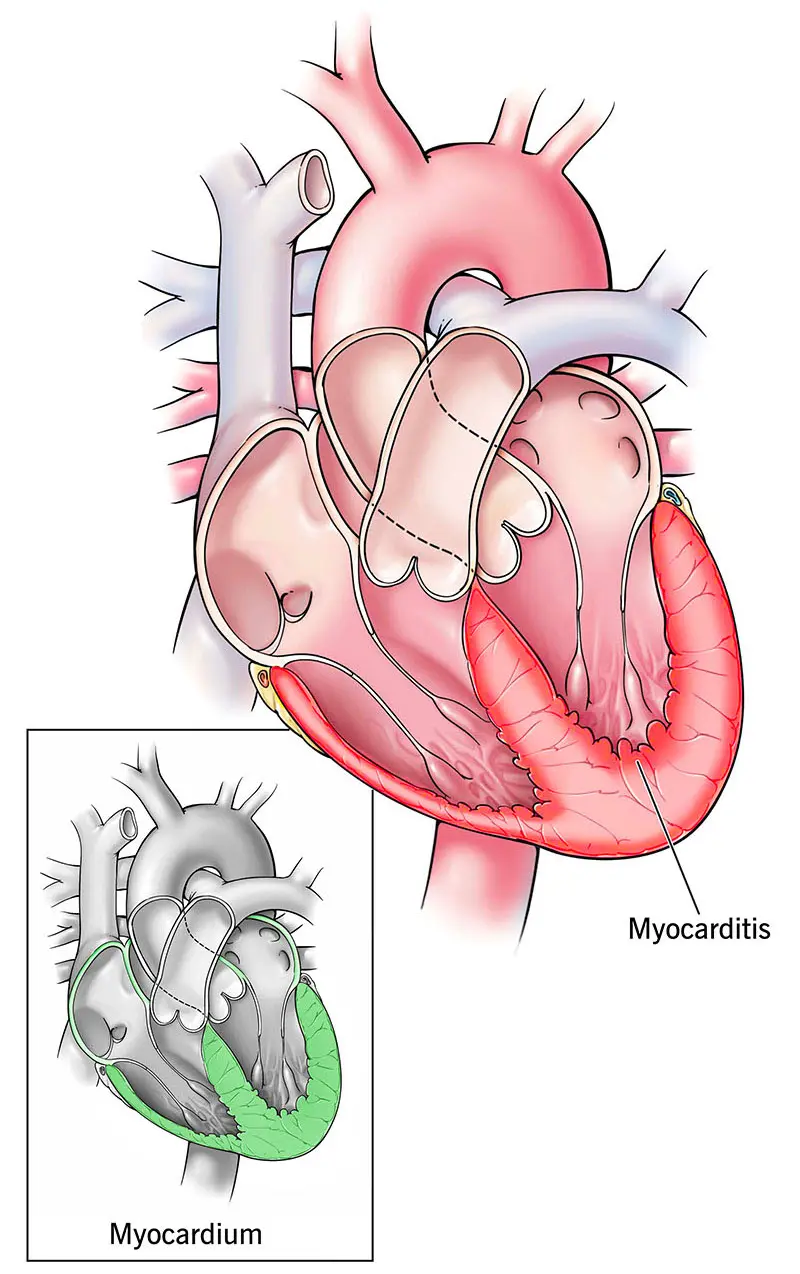
Diagnosis Early diagnosis of myocarditis is important to help prevent long-term heart damage. To begin, a healthcare professional reviews your symptoms, performs a physical exam, and listens to your heart using a stethoscope. Blood and imaging tests are commonly used to assess heart health, confirm myocarditis, and determine how severe the condition may be. Several tests may be used to …
Muscle Strains
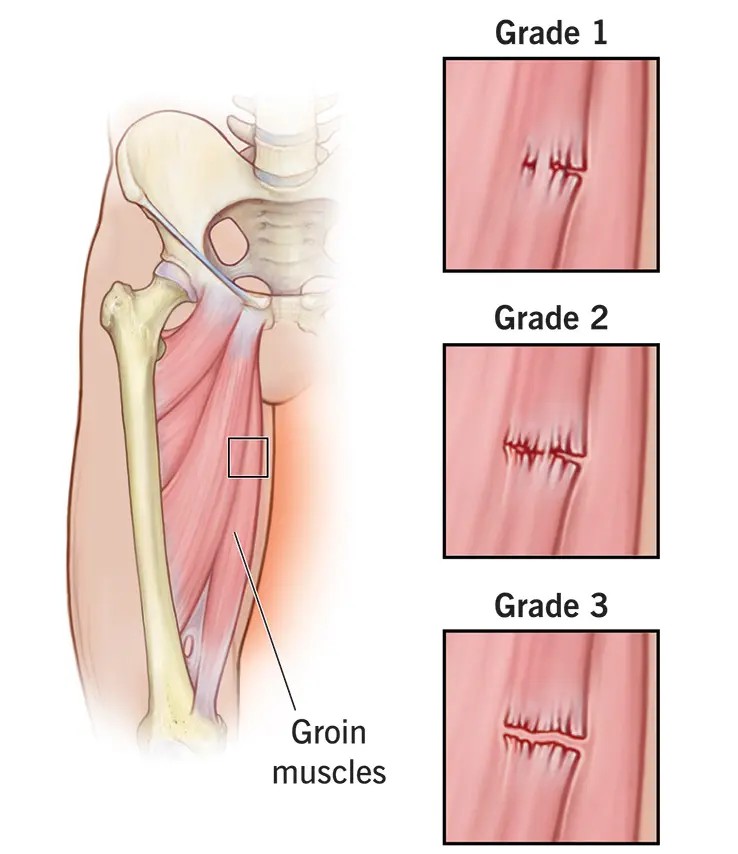
Diagnosis Muscle strains are usually diagnosed with a physical examination. During the exam, your doctor checks the injured area for swelling and points of tenderness. The location, severity, and type of pain help determine how extensive the injury is. In more serious injuries, where a muscle or tendon may be completely torn, your doctor may be able to see or …
Mumps
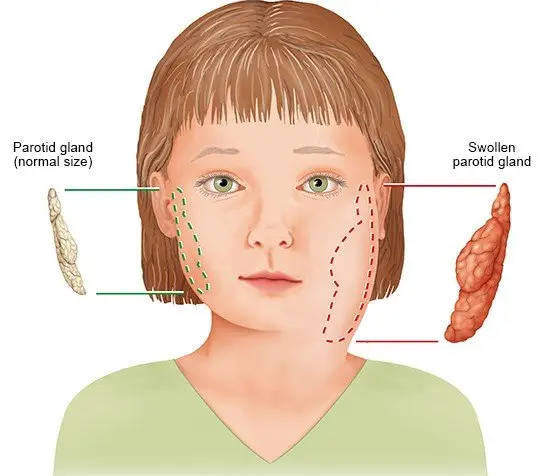
Diagnosis A healthcare provider may diagnose mumps based on typical symptoms and a known or suspected exposure to someone with the infection. Swollen salivary glands, especially near the jaw, are a common sign that helps guide diagnosis. To confirm the diagnosis or detect the virus, the provider may recommend one or more tests, including: A test of a sample collected …