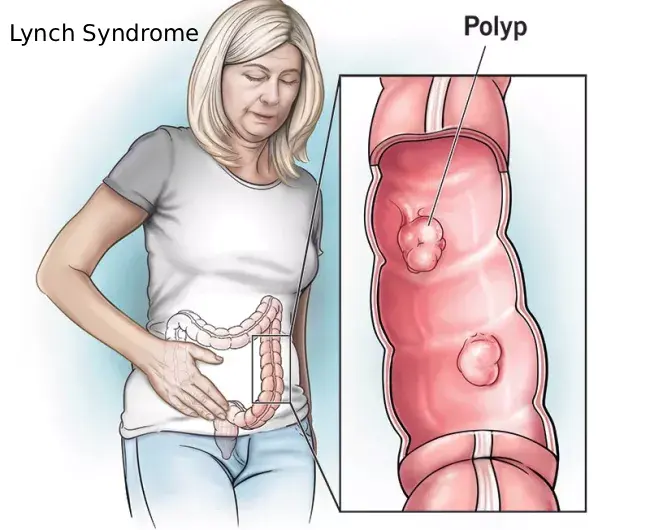
Lynch syndrome is an inherited genetic condition that increases the risk of several types of cancer, particularly colorectal cancer and endometrial (uterine) cancer. It is caused by mutations in genes responsible for repairing damaged DNA, known as mismatch repair genes. Because these genes do not function properly, cells can accumulate genetic errors that lead to cancer. Lynch syndrome is also …
Hereditary Hemorrhagic Telangiectasia
Hereditary Hemorrhagic Telangiectasia is a rare genetic disorder that affects blood vessels. It causes abnormal connections between arteries and veins, known as arteriovenous malformations, and small widened blood vessels called telangiectasias. These abnormal vessels are fragile and prone to bleeding. The condition is inherited and usually passed from parent to child. It can affect multiple organs, including the nose, skin, …
Hepatopulmonary Syndrome
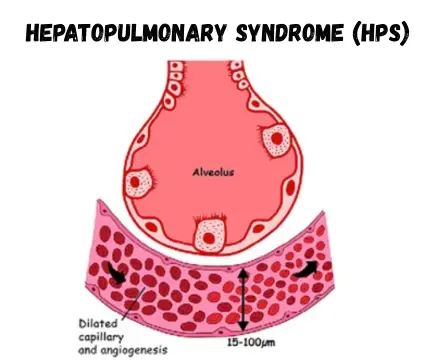
Hepatopulmonary syndrome is a condition that affects the lungs in people who have chronic liver disease. It occurs when blood vessels in the lungs become abnormally widened, leading to improper oxygen exchange. As a result, oxygen levels in the blood drop, causing breathing problems. This condition is most commonly seen in people with liver cirrhosis or portal hypertension, but it …
Wilson’s Disease
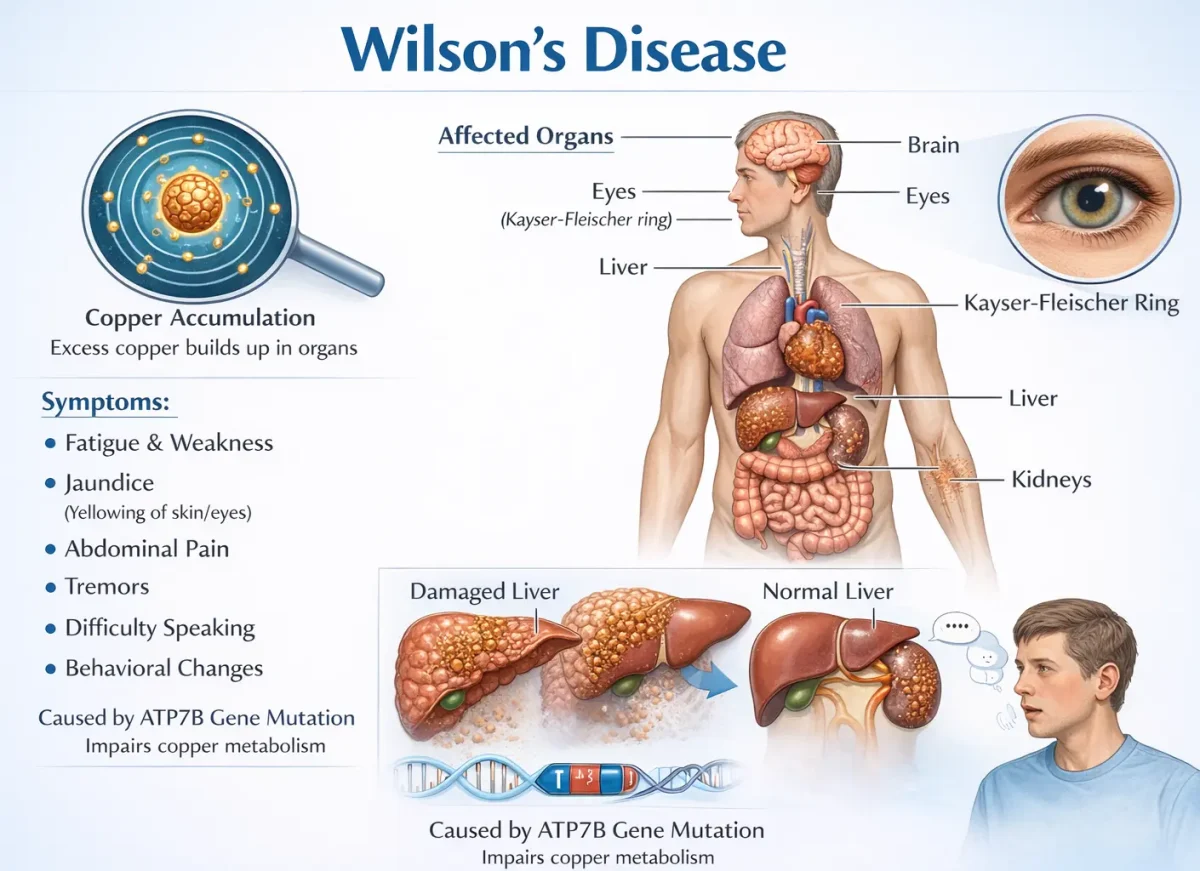
Wilson’s disease is a rare inherited disorder in which excess copper accumulates in the body, particularly in the liver, brain, and eyes. Normally, the body removes extra copper through bile, but in Wilson’s disease, this process is impaired, leading to toxic copper buildup. The condition usually appears in children, adolescents, or young adults. If left untreated, Wilson’s disease can cause …
Toxic Hepatitis
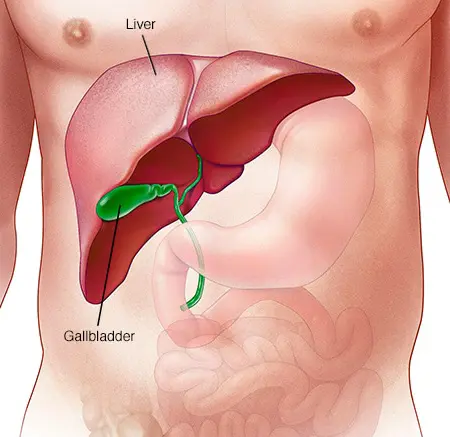
Toxic hepatitis is inflammation of the liver caused by exposure to harmful substances. These substances may include certain medications, chemicals, alcohol, herbal supplements, or industrial toxins. When the liver processes these substances, they can damage liver cells and lead to inflammation. The liver plays an essential role in detoxifying harmful substances from the body. However, excessive exposure to toxins can …
Henoch-Schonlein Purpura
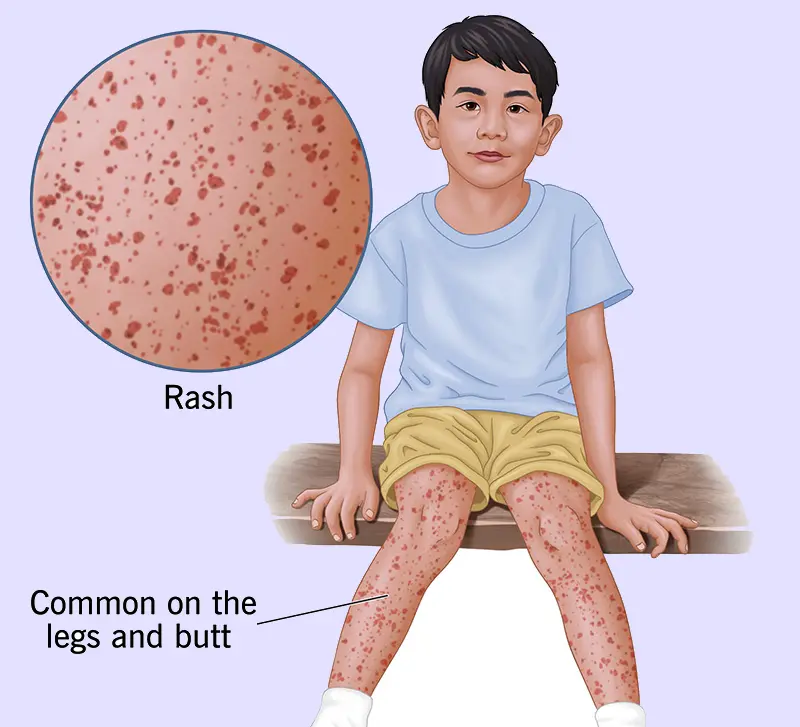
Henoch–Schönlein purpura, also known as IgA vasculitis, is a condition that causes inflammation of small blood vessels, called vasculitis. This inflammation leads to bleeding into the skin, joints, intestines and kidneys. The condition most commonly affects children, but it can also occur in adults and may be more severe in older individuals. Henoch–Schönlein purpura often develops after a respiratory infection, …
Hemorrhoids
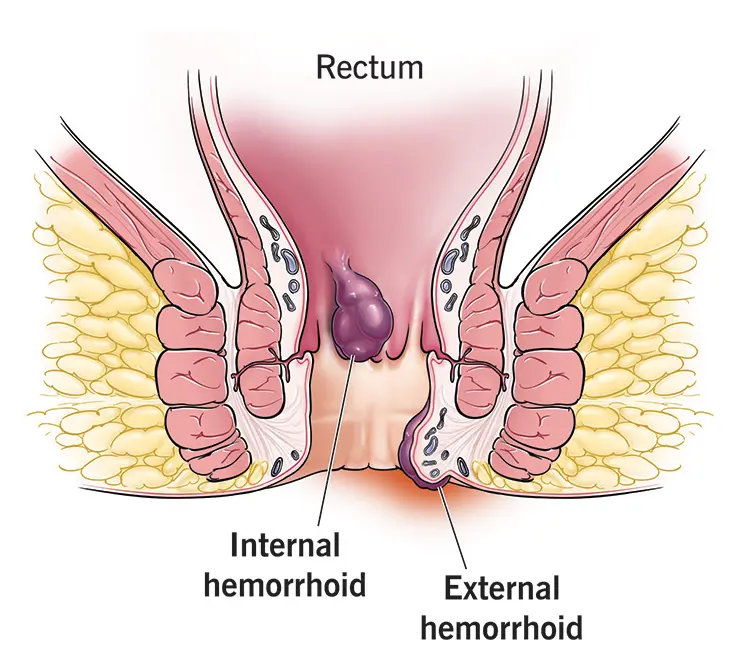
Hemorrhoids are swollen and inflamed veins in the lower rectum or anus. They are similar to varicose veins and can develop inside the rectum, called internal hemorrhoids, or under the skin around the anus, called external hemorrhoids. Hemorrhoids are very common and often related to increased pressure in the rectal area. Many people experience hemorrhoids at some point in their …
Hemophilia
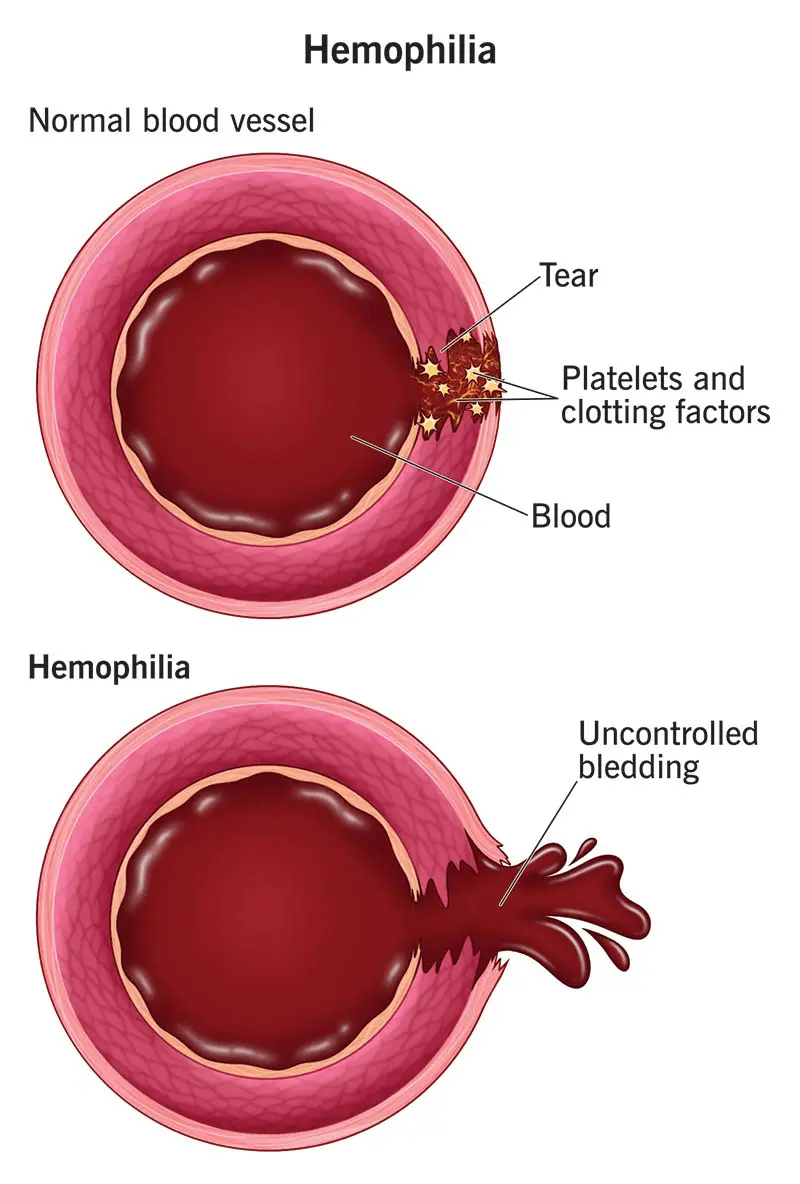
Hemophilia is a rare inherited bleeding disorder in which the blood does not clot properly. People with hemophilia have low levels or a complete absence of certain clotting proteins, called clotting factors, that help stop bleeding. As a result, bleeding may last longer than normal after an injury, surgery or dental procedure. Hemophilia mainly affects males, while females are usually …
Hemolytic Uremic Syndrome (HUS)
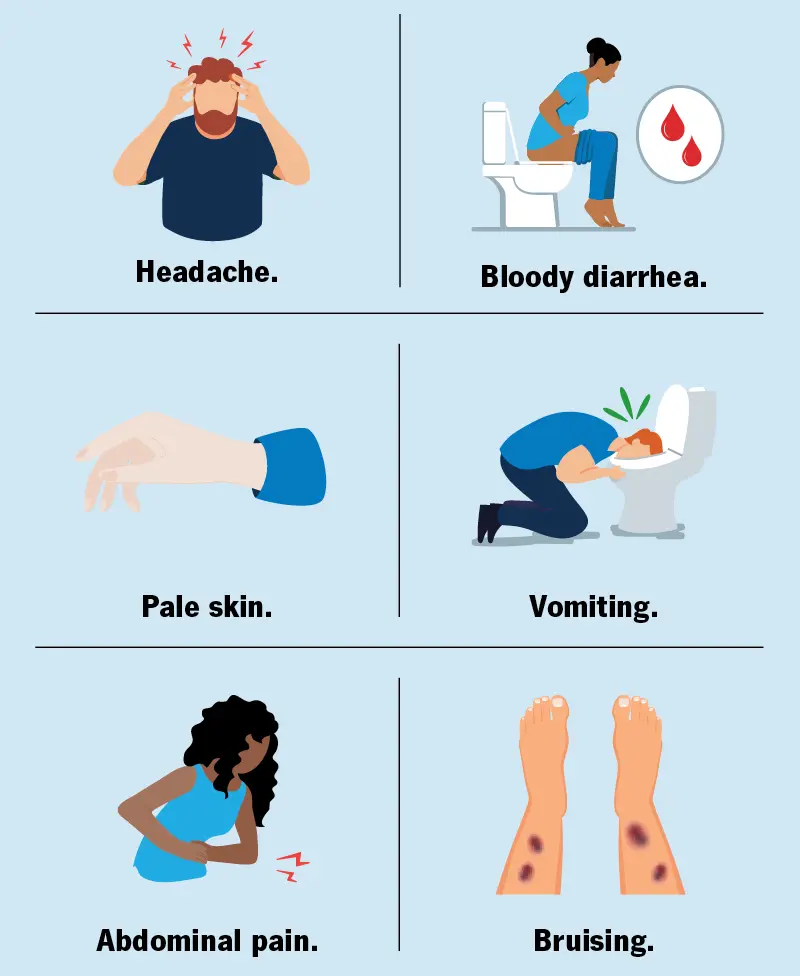
Hemolytic uremic syndrome is a serious condition characterized by the destruction of red blood cells, low platelet levels, and acute kidney injury. It most commonly occurs after a gastrointestinal infection, especially in children, but can also affect adults. The condition can develop rapidly and requires prompt medical attention to prevent severe complications. Symptoms Symptoms of hemolytic uremic syndrome often begin …
Hemochromatosis
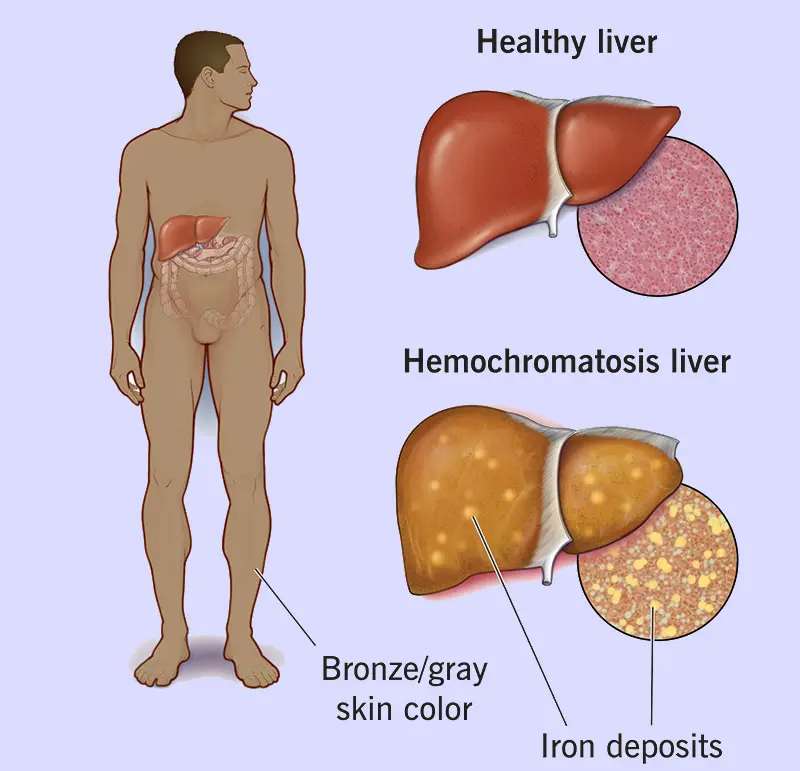
Hemochromatosis is a condition in which the body absorbs and stores excessive amounts of iron from food. The extra iron accumulates in organs such as the liver, heart, pancreas, and joints, potentially causing organ damage over time. It is most commonly a genetic disorder but can also develop due to other medical conditions. Early diagnosis and treatment can prevent serious …