Ovarian cancer occurs when abnormal cells in your ovaries or fallopian tubes grow and multiply out of control. Ovaries are part of the female reproductive system. These two round, walnut-sized organs make eggs during your reproductive years. Who gets ovarian cancer? Ovarian cancer affects women and people assigned female at birth (AFAB). It’s slightly more common in Native American and white populations …

Non-Hodgkin Lymphoma
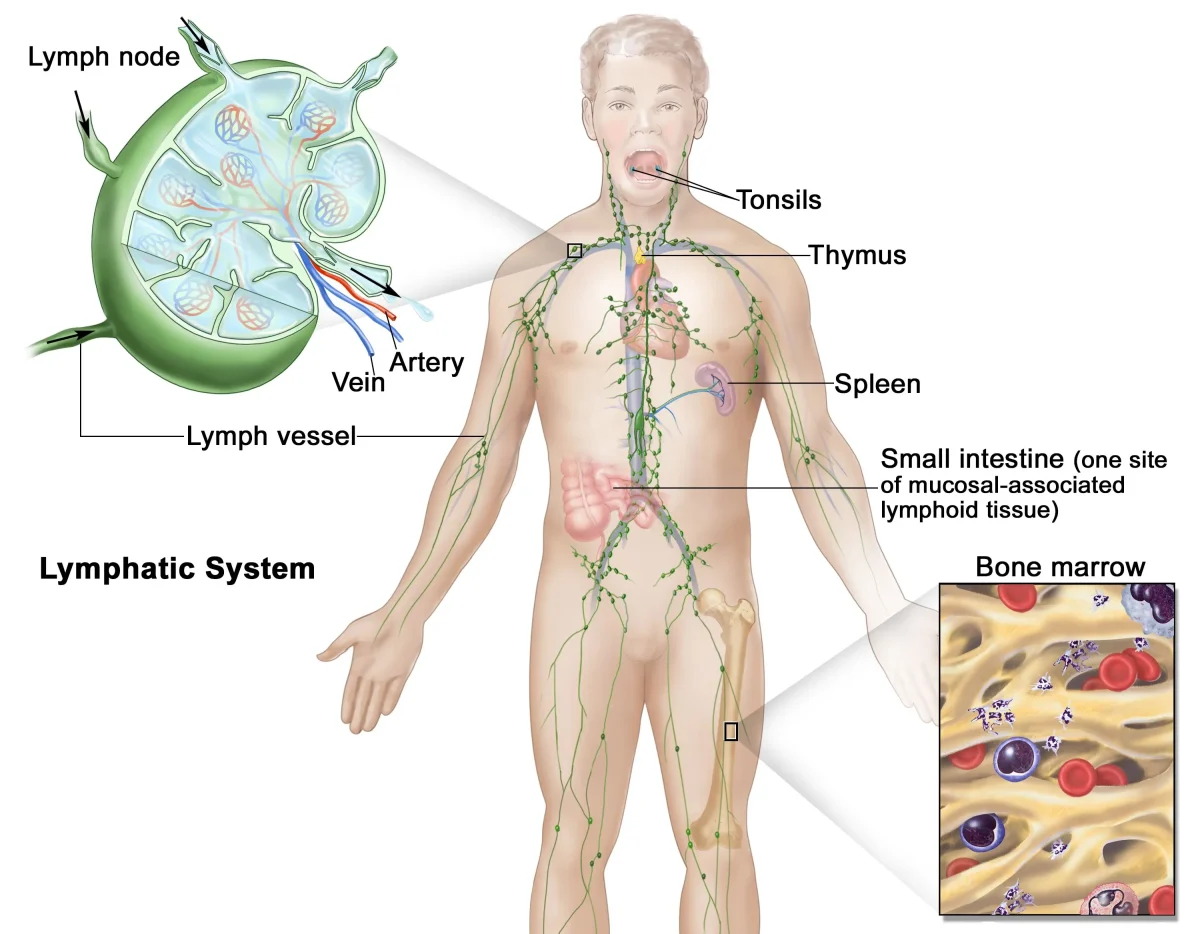
Non-Hodgkin lymphoma is a group of cancers that begin in the lymphatic system, which is part of the body’s immune system. It develops when lymphocytes, a type of white blood cell, grow abnormally and multiply uncontrollably. Non-Hodgkin lymphoma can arise in lymph nodes as well as in other organs such as the spleen, bone marrow, or digestive tract. The disease …
Neuroblastoma
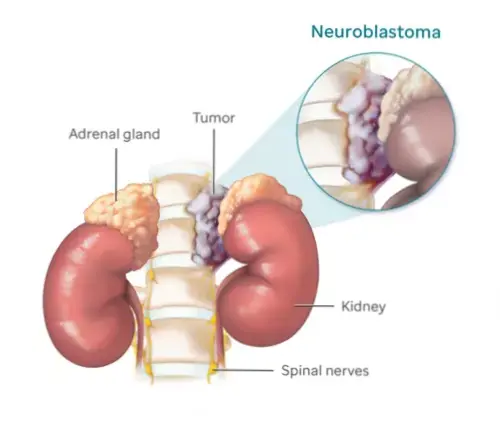
Neuroblastoma is a rare type of cancer that develops from immature nerve cells, most commonly in and around the adrenal glands, which sit above the kidneys. It primarily affects infants and young children, usually under the age of 5. Neuroblastoma can also develop in nerve tissue along the spine, chest, abdomen, or pelvis. The behavior of this cancer varies widely, …
Nasopharyngeal Carcinoma
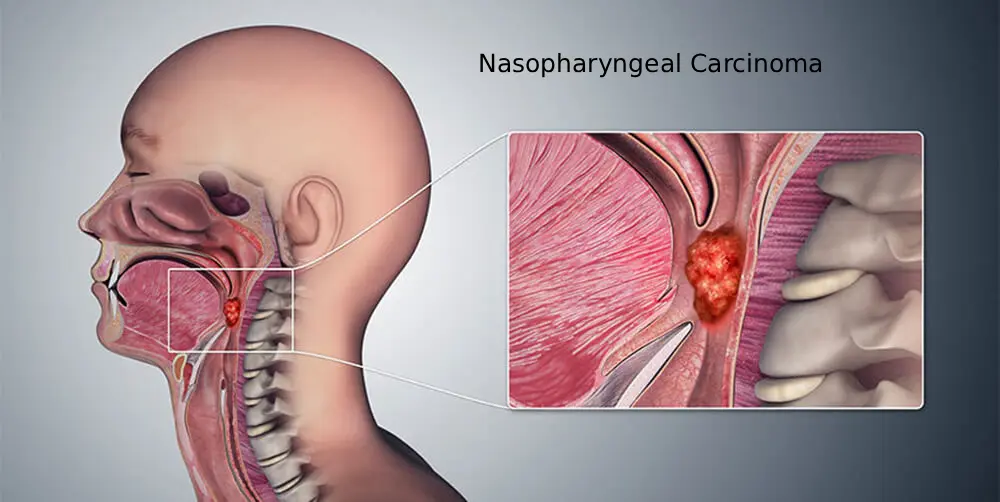
Nasopharyngeal carcinoma is a type of cancer that develops in the nasopharynx, the upper part of the throat located behind the nose and above the back of the mouth. This cancer is relatively rare worldwide but occurs more frequently in certain regions, particularly parts of Southeast Asia, North Africa, and the Arctic. Nasopharyngeal carcinoma is distinct from other head and …
Multiple Myeloma
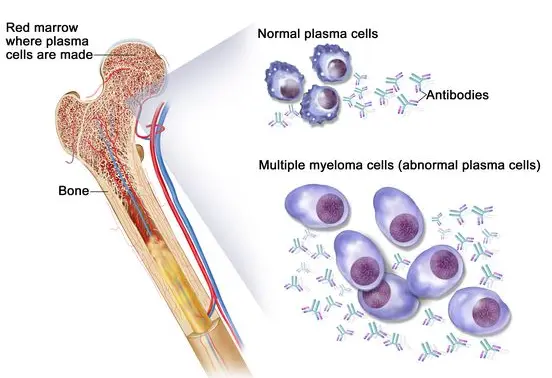
Multiple myeloma is a type of blood cancer that develops in plasma cells, a kind of white blood cell found in the bone marrow. Plasma cells normally help fight infections by producing antibodies. In multiple myeloma, abnormal plasma cells multiply uncontrollably and produce ineffective antibodies, which can damage bones, weaken the immune system, and affect other organs. The condition often …
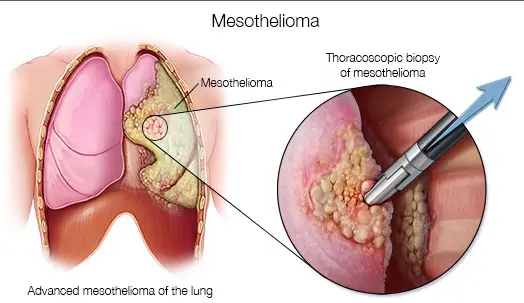
Mesothelioma
Mesothelioma is a rare and aggressive cancer that develops in the mesothelium, a thin layer of tissue that covers many internal organs. It most commonly affects the lining of the lungs, but can also occur in the lining of the abdomen, heart, or testes. The disease is strongly linked to asbestos exposure, often developing decades after initial contact. Mesothelioma is …
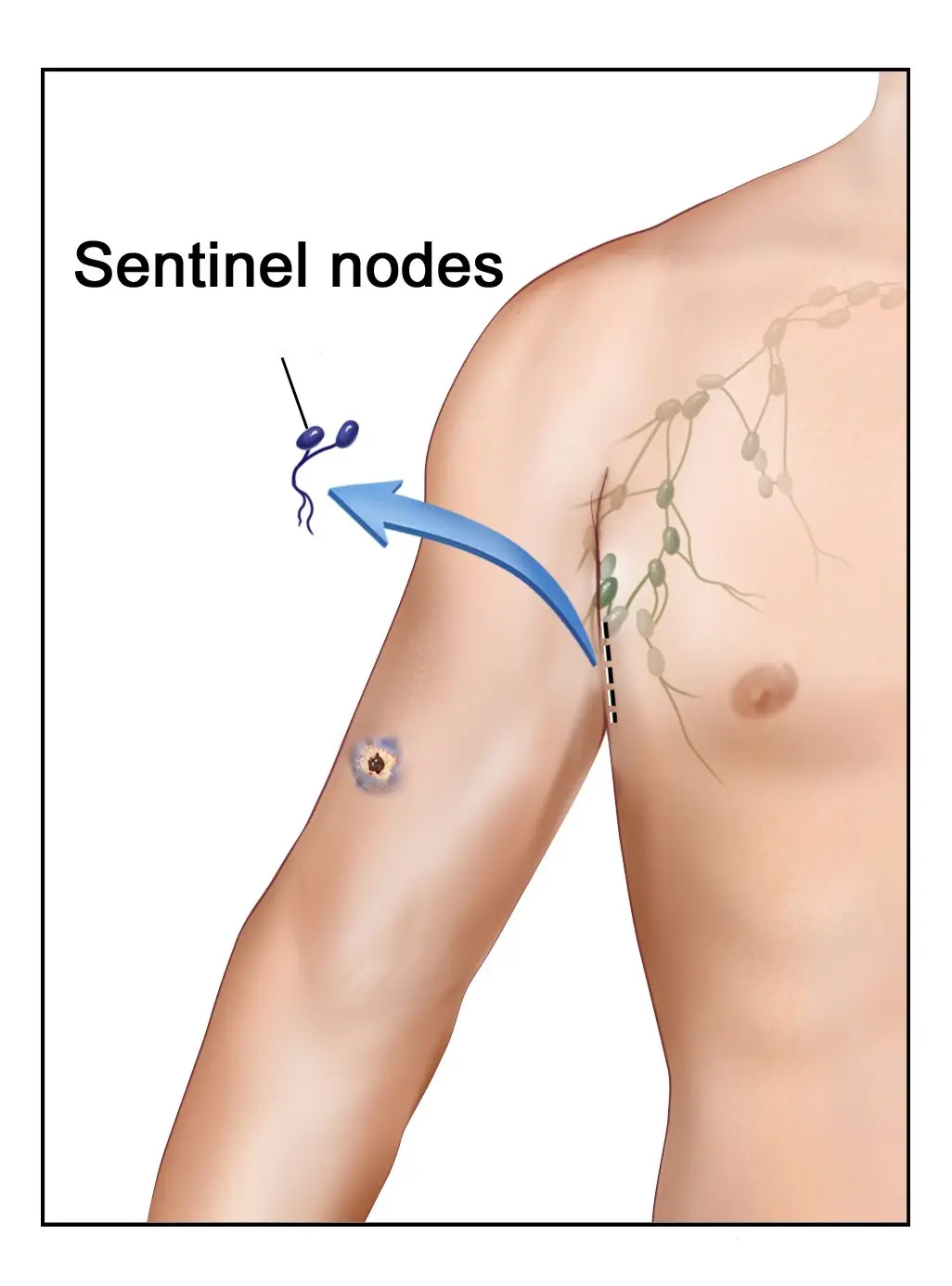
Merkel Cell Carcinoma
Merkel cell carcinoma is a rare and aggressive form of skin cancer that develops from Merkel cells, which are involved in the sense of touch. This cancer typically appears as a fast-growing, painless lump on sun-exposed areas of the skin, such as the face, neck, or arms. Merkel cell carcinoma is more dangerous than many other skin cancers because it …
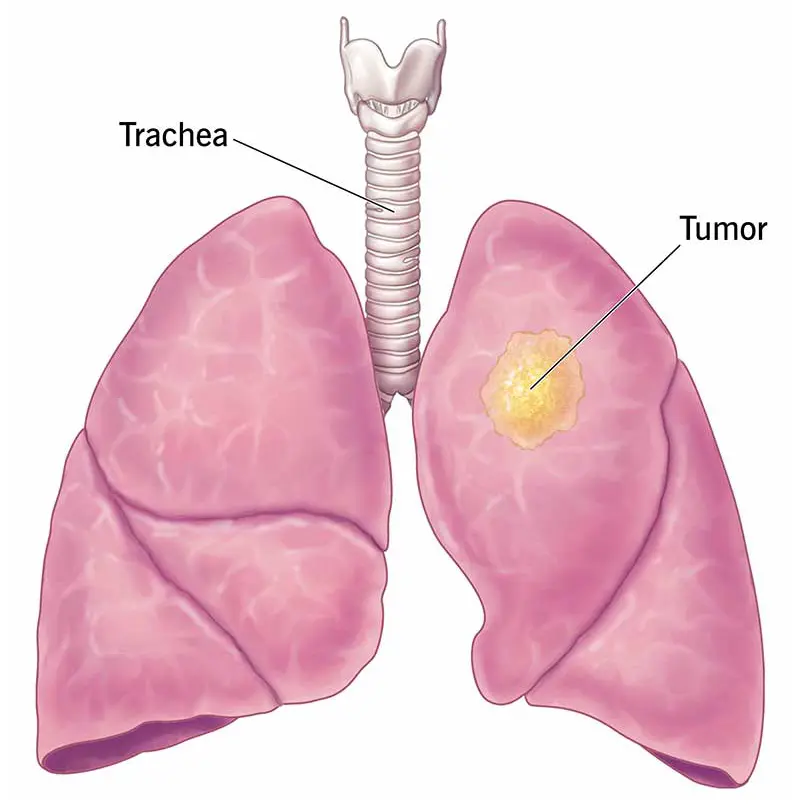
Lung Cancer
Lung cancer is a type of cancer that begins in the cells of the lungs, most commonly in the lining of the air passages. It is one of the leading causes of cancer-related deaths worldwide. Lung cancer is broadly classified into non-small cell lung cancer and small cell lung cancer, based on how the cancer cells appear under a microscope. …
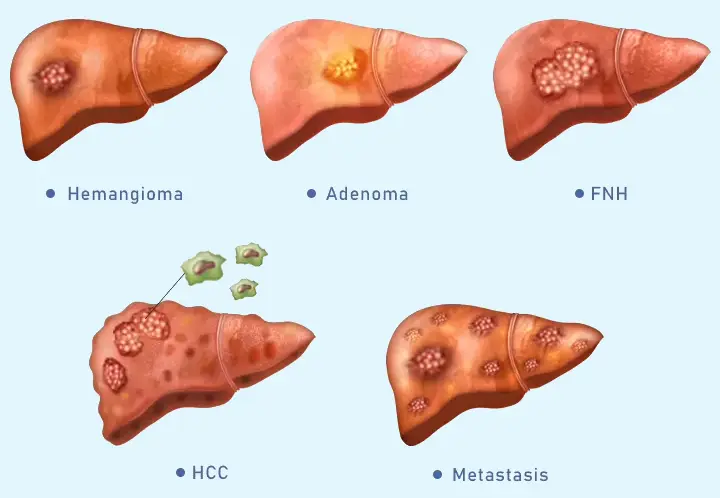
Liver Cancer
Liver cancer is a serious condition that begins in the cells of the liver. The most common type is hepatocellular carcinoma, which develops from the main liver cells called hepatocytes. Liver cancer often occurs in people who already have chronic liver disease, such as cirrhosis caused by hepatitis infection or long-term alcohol use. In its early stages, liver cancer may …
Mouth Cancer
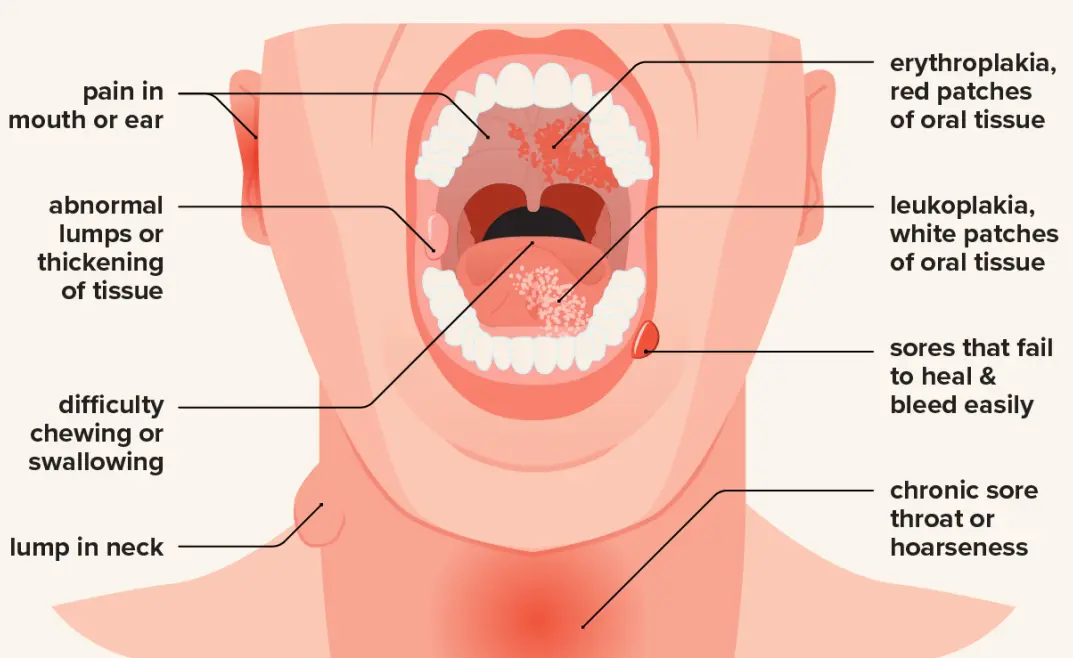
Mouth cancer, also known as oral cancer, is a type of cancer that develops in the tissues of the mouth or oral cavity. It can affect the lips, tongue, gums, inner cheeks, floor of the mouth, and the roof of the mouth. Mouth cancer is most often a form of squamous cell carcinoma, which begins in the thin, flat cells …