
Overview
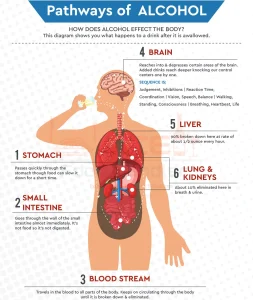
Alcohol poisoning is a serious and potentially life-threatening condition caused by consuming large amounts of alcohol in a short period of time. Drinking too much too quickly can interfere with vital body functions, including breathing, heart rate, body temperature, and the gag reflex. In severe cases, alcohol poisoning can lead to coma, permanent damage, or death.
Alcohol poisoning does not occur only from drinking alcoholic beverages. It can also happen when adults or children accidentally or intentionally consume products that contain alcohol, such as certain medicines or household items. Because the effects of alcohol can continue to worsen even after drinking stops, alcohol poisoning is a medical emergency that requires immediate attention.
Symptoms
Symptoms of alcohol poisoning can range from moderate to severe and may progress rapidly. Not all symptoms need to be present for the condition to be dangerous. Common signs include:
-
Confusion or inability to respond
-
Vomiting
-
Seizures
-
Slow breathing, defined as fewer than eight breaths per minute
-
Irregular breathing, with gaps of more than 10 seconds between breaths
-
Skin that appears pale, blue, or gray
-
Low body temperature, also known as hypothermia
-
Difficulty staying conscious or inability to wake up
A person who has passed out and cannot be awakened is at high risk of death and requires immediate medical care.
Causes
Alcohol poisoning is most commonly caused by excessive intake of ethanol, also known as ethyl alcohol. Ethanol is found in alcoholic beverages as well as in some mouthwashes, cooking extracts, medicines, and household products. Drinking too many alcoholic drinks within a short time overwhelms the body’s ability to process alcohol, leading to toxic levels in the bloodstream.
Other types of alcohol can also cause dangerous poisoning and require emergency treatment. These include isopropyl alcohol, found in rubbing alcohol and some cleaning products, and methanol or ethylene glycol, commonly found in antifreeze, paints, and solvents.
Binge drinking is a major contributor to alcohol poisoning. This pattern involves consuming large amounts of alcohol in a short time, such as five or more drinks within two hours for males or four or more drinks within two hours for females. Alcohol levels in the body can continue to rise even after a person stops drinking or loses consciousness.
Alcohol is absorbed quickly into the bloodstream, while the liver processes it slowly. The more alcohol consumed, especially over a short period, the higher the risk of poisoning. Mixed drinks and beverages with high alcohol content can further increase this risk.
Risk factors
Several factors can increase the likelihood of alcohol poisoning. These include body size and weight, underlying health conditions that affect alcohol metabolism, drinking on an empty stomach, and using alcohol along with other drugs or medications. The percentage of alcohol in beverages, how quickly alcohol is consumed, and individual differences in how the body processes alcohol also play a significant role.
Complications
Alcohol poisoning can lead to severe and sometimes fatal complications. One major risk is choking, as alcohol suppresses the gag reflex and increases the chance of inhaling vomit while unconscious. Breathing may stop or become dangerously slow if vomit is inhaled into the lungs.
Severe vomiting can cause dehydration, leading to very low blood pressure and a rapid heart rate. Alcohol poisoning can also lower blood sugar levels enough to trigger seizures. A significant drop in body temperature may result in hypothermia and cardiac arrest.
Alcohol can disrupt normal heart rhythms and, in extreme cases, cause the heart to stop. Heavy alcohol exposure may result in permanent brain damage. Any of these complications can be fatal without prompt medical treatment.
Prevention
Alcohol poisoning can be prevented by drinking responsibly or avoiding alcohol altogether. Moderation is key, which generally means limiting intake to no more than two drinks per day for males and one drink per day for females. Drinking slowly and being aware of the alcohol content in beverages can reduce risk.
Avoid combining alcohol with medications unless approved by a healthcare professional, as some drug interactions can intensify alcohol’s effects. Eating before drinking may slow alcohol absorption, though it does not prevent poisoning during binge drinking.
Open communication with teenagers about the dangers of alcohol and binge drinking can help reduce early alcohol use. Alcohol-containing products should be stored safely and kept out of reach of children. For individuals who have experienced alcohol poisoning, follow-up care and counseling can help prevent future episodes.
Advertisement
