
Overview
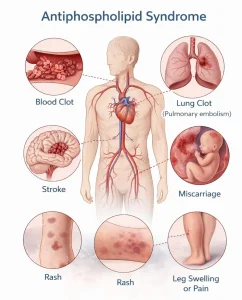
Antiphospholipid syndrome is an uncommon autoimmune condition in which the immune system mistakenly produces antibodies that increase the risk of blood clots forming in arteries and veins. These clots can develop in the legs, lungs and other organs, including the kidneys and spleen.
Blood clots linked to antiphospholipid syndrome can lead to serious health problems such as heart attack and stroke. During pregnancy, the condition can interfere with blood flow to the placenta, increasing the risk of miscarriage, stillbirth and other complications. Some people carry antiphospholipid antibodies but never develop symptoms.
Although there is no cure for antiphospholipid syndrome, treatment with medicines can significantly reduce the risk of blood clots and pregnancy-related complications.
Symptoms
Symptoms of antiphospholipid syndrome vary depending on where blood clots form and how they affect the body.
Common symptoms include:
-
Blood clots in the legs, known as deep vein thrombosis, which may cause pain, swelling and changes in skin color
-
Pulmonary embolism when a clot travels to the lungs, leading to shortness of breath or chest pain
-
Repeated miscarriages or stillbirths
-
Pregnancy complications such as preeclampsia and premature delivery
-
Stroke, sometimes occurring in younger people without typical cardiovascular risk factors
-
Transient ischemic attack, which causes temporary stroke-like symptoms without lasting damage
-
A lacy, netlike skin rash
Less common symptoms may include:
-
Chronic headaches or migraines
-
Seizures, dementia or other neurological problems caused by reduced blood flow to the brain
-
Damage to heart valves
-
Low platelet counts, which may lead to nosebleeds, gum bleeding or small discolored spots on the skin
Causes
Antiphospholipid syndrome occurs when the immune system produces antibodies that mistakenly target normal proteins in the blood. These antibodies make the blood more likely to clot than normal.
The condition may develop on its own or be associated with another autoimmune disease, such as systemic lupus erythematosus. In some people, the exact cause is not known.
Risk factors
Antiphospholipid syndrome is more commonly diagnosed in women than in men. Certain factors increase the likelihood of developing the condition or its complications.
Risk factors include:
-
Having another autoimmune disease
-
Being pregnant
-
Prolonged immobility, such as bed rest or long-distance travel
-
Recent surgery
-
Smoking
-
Use of oral contraceptives or estrogen-based hormone therapy
-
High cholesterol or triglyceride levels
Some people test positive for antiphospholipid antibodies but never develop symptoms. However, the presence of these antibodies still increases the risk of blood clots under certain conditions.
Complications
Antiphospholipid syndrome can lead to serious and sometimes life-threatening complications if blood clots are not prevented or treated.
Possible complications include:
-
Kidney failure due to reduced blood flow
-
Stroke with lasting neurological damage, such as paralysis or speech problems
-
Heart and blood vessel damage, leading to chronic leg swelling or skin changes
-
Lung complications, including pulmonary embolism and high blood pressure in the lungs
-
Pregnancy complications such as miscarriage, stillbirth, slow fetal growth and preeclampsia
In rare cases, a severe form of antiphospholipid syndrome can cause rapid clot formation in multiple organs over a short period of time.
Prevention
There is no known way to prevent antiphospholipid syndrome from developing. However, people who have the condition or carry antiphospholipid antibodies can reduce the risk of complications.
Preventive strategies may include:
-
Taking prescribed blood-thinning medicines as directed
-
Avoiding smoking
-
Staying active and avoiding prolonged immobility
-
Managing cholesterol and other cardiovascular risk factors
-
Working closely with healthcare professionals during pregnancy to reduce risks to both parent and baby
Early diagnosis and consistent medical care play an important role in preventing serious outcomes associated with antiphospholipid syndrome.
Advertisement
