
Overview
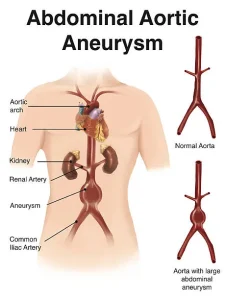
An aortic aneurysm is an abnormal bulge or weakening in the wall of the aorta, the largest artery in the body. The aorta carries oxygen-rich blood from the heart to the rest of the body. When part of the aortic wall becomes weak, it can balloon outward and form an aneurysm.
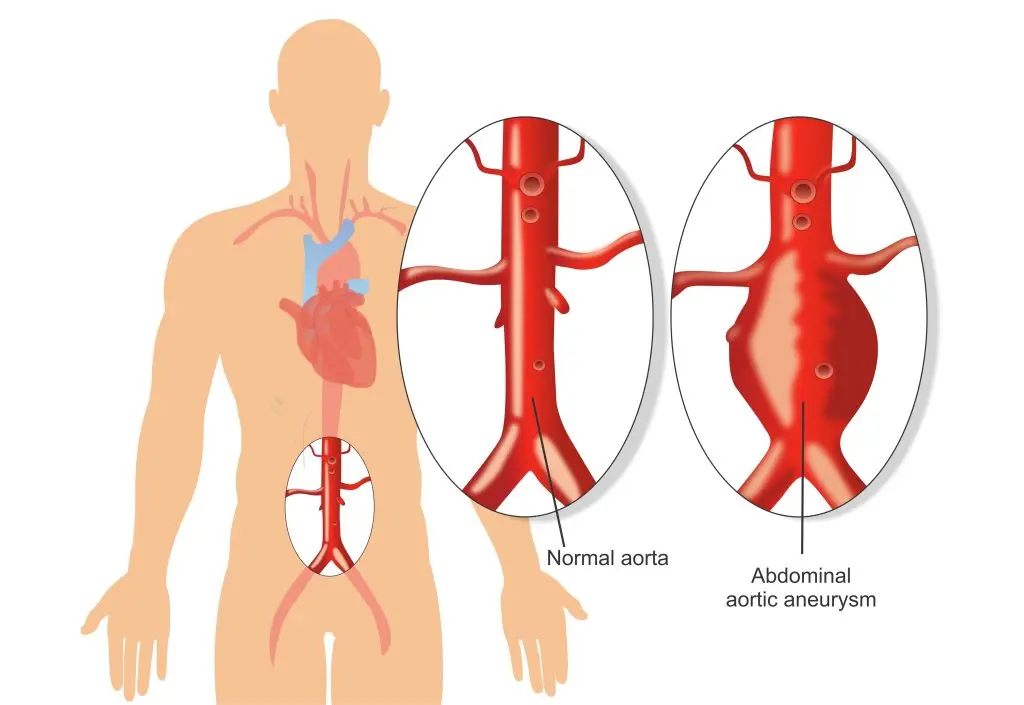
Aortic aneurysms can occur anywhere along the aorta. The two most common types are abdominal aortic aneurysm, which occurs in the part of the aorta that passes through the abdomen, and thoracic aortic aneurysm, which occurs in the chest.
Small aortic aneurysms may grow slowly and cause no symptoms for years. Larger aneurysms or rapidly growing aneurysms can be life-threatening if they rupture or tear, leading to severe internal bleeding. Treatment depends on the size, location and growth rate of the aneurysm and may include monitoring, medication or surgery.
Symptoms
Many aortic aneurysms cause no symptoms and are found during imaging tests done for other reasons. When symptoms occur, they depend on the size and location of the aneurysm.
Symptoms of an abdominal aortic aneurysm may include:
-
A deep, constant pain in the abdomen or on the side of the abdomen
-
Back pain
-
A pulsating feeling near the navel
Symptoms of a thoracic aortic aneurysm may include:
-
Chest pain
-
Back pain
-
Hoarseness
-
Shortness of breath
-
Cough
If an aortic aneurysm ruptures or causes a tear in the aorta, symptoms can include:
-
Sudden, severe and persistent pain in the chest, back or abdomen
-
Low blood pressure
-
Rapid pulse
-
Shortness of breath
-
Loss of consciousness
A ruptured aortic aneurysm is a medical emergency and requires immediate care.
Causes
An aortic aneurysm develops when the wall of the aorta becomes weakened. Over time, pressure from blood flow causes the weakened area to bulge.
Factors that can contribute to weakening of the aortic wall include:
-
Atherosclerosis, which is the buildup of fatty deposits in the arteries
-
High blood pressure
-
Injury or trauma to the chest or abdomen
-
Inherited connective tissue disorders
-
Inflammation or infection of the aorta, which is rare
In some cases, the exact cause of an aortic aneurysm is not known.
Risk factors
Several factors increase the risk of developing an aortic aneurysm, including:
-
Increasing age, especially over age 65
-
Smoking, which is one of the strongest risk factors
-
High blood pressure
-
High cholesterol
-
A family history of aortic aneurysm
-
Being male
-
Certain genetic conditions, such as Marfan syndrome or Ehlers-Danlos syndrome
-
A history of heart or blood vessel disease
Complications
The most serious complications of an aortic aneurysm are rupture and aortic dissection, which is a tear in the inner layer of the aorta.
Possible complications include:
-
Life-threatening internal bleeding
-
Shock
-
Damage to nearby organs due to reduced blood flow
-
Blood clots that can travel to other parts of the body
-
Death if not treated promptly
The risk of complications increases as the aneurysm grows larger or expands rapidly.
Prevention
Not all aortic aneurysms can be prevented, but certain steps may reduce the risk or slow progression.
Preventive measures include:
-
Quitting smoking
-
Controlling high blood pressure
-
Managing cholesterol levels
-
Maintaining a healthy weight
-
Eating a heart-healthy diet
-
Exercising regularly as advised by a healthcare professional
-
Managing chronic conditions such as diabetes
-
Getting regular medical checkups if you have risk factors or a family history of aneurysm
Early detection and ongoing monitoring are key to reducing the risk of serious complications from an aortic aneurysm.
Request an appointment
Advertisement
