
Overview
Ascariasis is a type of intestinal infection caused by roundworms. These worms are parasites that live inside the body and use it as a host to grow from eggs into adult worms. Adult roundworms can grow to more than a foot in length.
Ascariasis is one of the most common worm infections worldwide. It occurs most often in children living in tropical and subtropical regions, especially in areas with poor sanitation and inadequate waste disposal systems. Infection usually happens when a person eats food or drinks water contaminated with roundworm eggs.
Ascariasis may cause symptoms such as stomach pain, vomiting, fever and cough. Serious complications can occur when many worms are present in the body. However, most infected people do not have noticeable symptoms.
Treatment involves anti-parasitic medicines that kill or remove the worms. In regions where ascariasis is common, prevention focuses on proper handwashing, safe food preparation and washing, peeling or cooking fruits and vegetables before eating.
Symptoms
Symptoms of ascariasis depend on how many worms are present, which organs are affected and the strength of the immune system. Many people have no symptoms, but larger numbers of worms increase the likelihood of illness.
During early infection, symptoms may appear as the worms move through the lungs. Later symptoms occur when adult worms live in the intestines.
When the lungs are affected, symptoms may resemble asthma or pneumonia and can include:
-
Dry cough, sometimes with blood
-
Shortness of breath
-
Wheezing
After about 10 to 14 days in the lungs, the larvae travel to the throat, are coughed up and then swallowed.
When the intestines are affected, mild to moderate infections may cause:
-
Mild or vague stomach pain
-
Nausea and vomiting
-
Diarrhea or bloody stools
-
Loss of appetite
Severe infections with many worms may lead to:
-
Severe abdominal pain
-
Constipation
-
Vomiting
-
Weight loss or poor nutrition
-
Worms visible in vomit or stool
When to see a doctor
Contact a health care provider if you have ongoing:
-
Stomach pain
-
Diarrhea
-
Nausea or vomiting
Early evaluation can help prevent complications.
Causes
Ascariasis develops when roundworm eggs are swallowed. These eggs spread through human or pig stool and contaminate soil, food and water. Infection commonly occurs after eating unwashed fruits or vegetables grown in contaminated soil or drinking contaminated water.
In some regions, human or pig waste is used as fertilizer, increasing the risk of contamination. Poor sanitation allows stool to mix with soil in yards, fields and drainage areas.
Young children are at higher risk because they often play in dirt and may put unwashed hands in their mouths. Less commonly, infection may occur by inhaling contaminated dust. People who work with pigs or pig manure may also become infected if stool particles are accidentally swallowed.
After ingestion, the eggs hatch in the intestines. The larvae then travel through the bloodstream or lymphatic system to the lungs. From there, they move up the airways, are swallowed and return to the intestines, where they mature into adult worms and produce eggs that exit the body in stool.
Risk factors
Several factors increase the risk of ascariasis infection.
These include:
-
Young age, especially children under 10 years old
-
Living in or traveling to tropical or subtropical regions
-
Warm and humid climates
-
Poor sanitation and inadequate waste disposal systems
-
Close contact with contaminated soil
-
Exposure to pig farming or pig manure
Complications
Mild ascariasis usually does not cause complications. However, heavy infections may lead to serious health problems.
Possible complications include:
-
Slowed growth in children due to poor nutrition and reduced appetite
-
Intestinal blockage caused by a large number of worms, leading to severe pain and vomiting
-
Tearing of the intestinal wall or appendix, which may result in internal bleeding or appendicitis
-
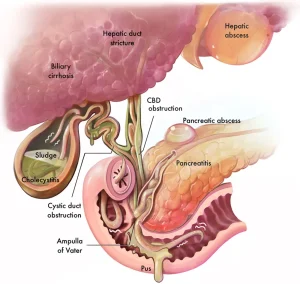
Blockage of bile ducts or pancreatic ducts, causing intense pain and digestive problems
Prevention
Preventing ascariasis focuses on improving hygiene and food safety practices.
Helpful prevention measures include:
-
Washing hands thoroughly with soap and water after using the bathroom and before handling food
-
Washing, peeling or cooking fruits and vegetables before eating
-
Drinking bottled or boiled water in areas where ascariasis is common
-
Avoiding raw or undercooked foods grown in contaminated soil
-
Supervising young children to prevent them from playing directly in soil or putting dirty hands in their mouths
Improved sanitation and proper waste management are key to reducing the spread of ascariasis in affected regions.
Request an appointment
Advertisement
