
Overview
Diagnosis
Ascariasis is diagnosed through a healthcare evaluation to determine if roundworm infection is causing your symptoms. Your healthcare provider will ask about symptoms and may order specific tests.
If you have a heavy infection, adult worms may be visible after coughing or vomiting, or occasionally from other body openings like the nostrils. If you see a worm, bring it to your healthcare provider for accurate identification and proper treatment.
Stool tests
Adult female roundworms in the small intestine lay eggs, which can appear in stool. Your provider examines stool samples for eggs and larvae. Eggs may not be present until 40 days after infection, and if only male worms are present, stool tests may not detect eggs.
Blood tests
Blood tests can show elevated eosinophil levels, a type of white blood cell that rises in response to parasitic infections. Other conditions can also increase eosinophils.
Imaging tests
Imaging can help detect worms in different parts of the body:
-
X-rays. Stomach or abdominal X-rays may show masses of worms. Chest X-rays can reveal migrating larvae in the lungs.
-
Ultrasound. Sound waves produce images that can reveal worms in the liver, pancreas, or other organs.
-
CT scan or MRI. Both provide detailed internal images to locate worms that may block bile or pancreatic ducts. CT combines X-rays from multiple angles, while MRI uses strong magnets and radio waves.
Treatment
Treatment for ascariasis usually involves medication, though surgery may be needed in severe cases.
Medications
Anti-parasitic medicines eliminate adult worms in the small intestine. Common options include:
-
Albendazole – usually a single dose.
-
Mebendazole – single large dose or smaller doses twice daily for three days.
-
Ivermectin – single dose.
Side effects can include mild stomach upset, diarrhea, or headache. Pregnant individuals may be prescribed pyrantel pamoate as a safer alternative.
Surgery
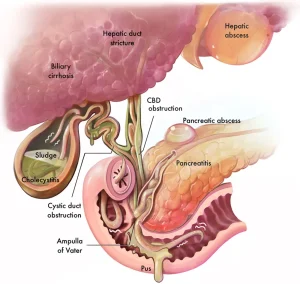
Surgery may be necessary if a heavy worm burden causes complications such as intestinal blockage, perforation, bile duct obstruction, or appendicitis. The procedure removes the worms and repairs any damaged tissues.
Advertisement
