
Overview
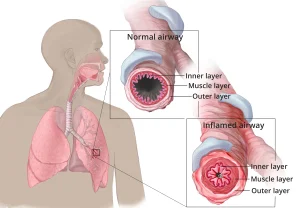
An asthma attack is a sudden worsening of asthma symptoms. Asthma is a long-term condition that affects the airways in the lungs, causing them to become narrow and making breathing difficult. During an asthma attack, symptoms such as coughing, wheezing, chest tightness and trouble getting enough air can develop or rapidly worsen.
These symptoms occur because the muscles around the airways tighten, the airway lining becomes swollen and irritated, and extra mucus is produced. Together, these changes restrict airflow and make breathing harder.
People who have been diagnosed with asthma usually follow an asthma action plan. This plan explains which medicines to take during an asthma attack and when emergency care is needed. People without a diagnosis or without a treatment plan should seek emergency medical care if they experience symptoms of an asthma attack.
Frequent asthma attacks often mean that asthma is not well controlled. In these cases, a healthcare professional may adjust medications or update the asthma action plan to improve symptom control. An asthma attack also may be called an asthma exacerbation or flare-up.
Symptoms
Symptoms of an asthma attack can range from mild to severe and may include:
-
Shortness of breath
-
Chest tightness or chest pain
-
Coughing
-
Wheezing
More severe symptoms may include:
-
Gasping for breath
-
Difficulty speaking due to shortness of breath
-
Straining of chest muscles to breathe
-
Worsening symptoms when lying flat on the back
-
Heavy sweating
An at-home breathing test using a peak flow meter can help detect an asthma attack. This device measures how quickly air can be forced out of the lungs. Results are compared to a person’s personal best peak flow. Readings below 80% of that best value may signal an asthma attack.
Many asthma action plans include steps based on peak flow readings and symptom severity to guide treatment decisions.
When to see a doctor
An asthma action plan explains when to contact a healthcare professional and when to seek emergency care. These plans often use three color-coded zones.
The green zone applies when asthma is well controlled and there are no symptoms. Daily long-term control medicines are taken as prescribed, and peak flow readings are usually 80% or higher of a person’s best.
The yellow zone applies when symptoms appear or breathing worsens. The plan explains when and how to use quick-relief medicine and when to call the healthcare team. Peak flow readings in this zone are typically between 50% and 79% of the personal best.
The red zone signals a medical emergency. Symptoms are severe or do not improve after using quick-relief medicine. Peak flow readings are below 50% of the personal best, and emergency care is needed.
If you do not have an asthma action plan, seek emergency care if quick-relief medicine does not improve symptoms.
Regular checkups are important to keep asthma under control. Using a rescue inhaler often may indicate the need for changes in medication or adjustments to the asthma action plan.
Causes
Asthma is usually a lifelong condition involving chronic inflammation of the airways caused by an overactive immune system. This inflammation leads to tightening of airway muscles, swelling of airway tissues and increased mucus production, all of which can block airflow.
Asthma attacks happen when triggers cause this inflammation to worsen. Common triggers include:
-
Allergens such as pollen, pet dander, mold, cockroaches and dust mites
-
Respiratory infections, including colds and flu
-
Tobacco smoke
-
Cold, dry air
-
Physical activity
-
Gastroesophageal reflux disease, which allows stomach acid to move into the throat
-
Air pollution or irritating chemicals
-
Certain pain relievers and other medications
-
Emotional stress, anxiety or depression
Risk factors
Anyone with asthma can have an asthma attack. Factors that increase the risk include:
-
Poorly controlled allergies
-
Frequent exposure to environmental triggers
-
Not taking prescribed daily asthma medicines
-
Incorrect inhaler technique
-
Ongoing depression or anxiety
-
Other long-term medical conditions, such as heart disease or diabetes
Complications
Asthma attacks can affect both physical health and daily life. Possible complications include:
-
Missed school or workdays
-
Repeated emergency or urgent care visits
-
Interrupted sleep
-
Reduced ability to exercise or take part in activities
Severe asthma attacks can be life-threatening. The risk is higher for people who frequently rely on quick-relief medicines, have had emergency room visits or hospital stays for asthma, or have other chronic health conditions.
Prevention
Following an asthma action plan is one of the most effective ways to prevent asthma attacks. This typically includes:
-
Taking long-term control medicines every day as prescribed
-
Checking peak flow readings as directed
-
Using quick-relief medicine before exercise if recommended
-
Tracking how often quick-relief medicine is needed
Additional steps that may help prevent asthma attacks include:
-
Avoiding known triggers whenever possible
-
Staying indoors during poor air quality alerts
-
Getting tested for allergies and following allergy treatment plans
-
Washing hands often to reduce the risk of respiratory infections
-
Staying current with recommended vaccinations
-
Managing stress, depression or anxiety
-
Quitting smoking and avoiding secondhand smoke
-
Wearing a mask when cleaning or during cold weather
Consistent treatment and trigger management can help reduce asthma attacks and improve overall quality of life.
Advertisement
