Hypertrophic Cardiomyopathy

admin

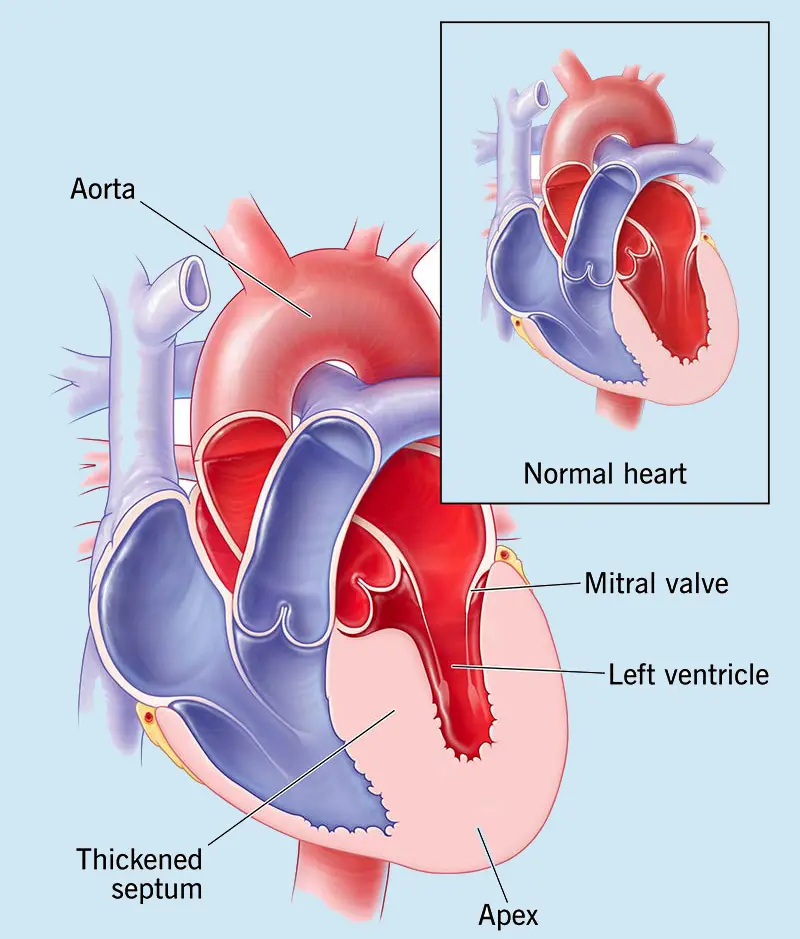
Diagnosis Diagnosing hypertrophic cardiomyopathy begins with a thorough physical examination and a detailed review of your symptoms, medical history, and family history. A healthcare professional listens to your heart using a stethoscope to detect murmurs that may suggest abnormal heart function. If you have a family history of hypertrophic cardiomyopathy, genetic testing or counseling may also be recommended. Common diagnostic …
Dilated Cardiomyopathy

admin

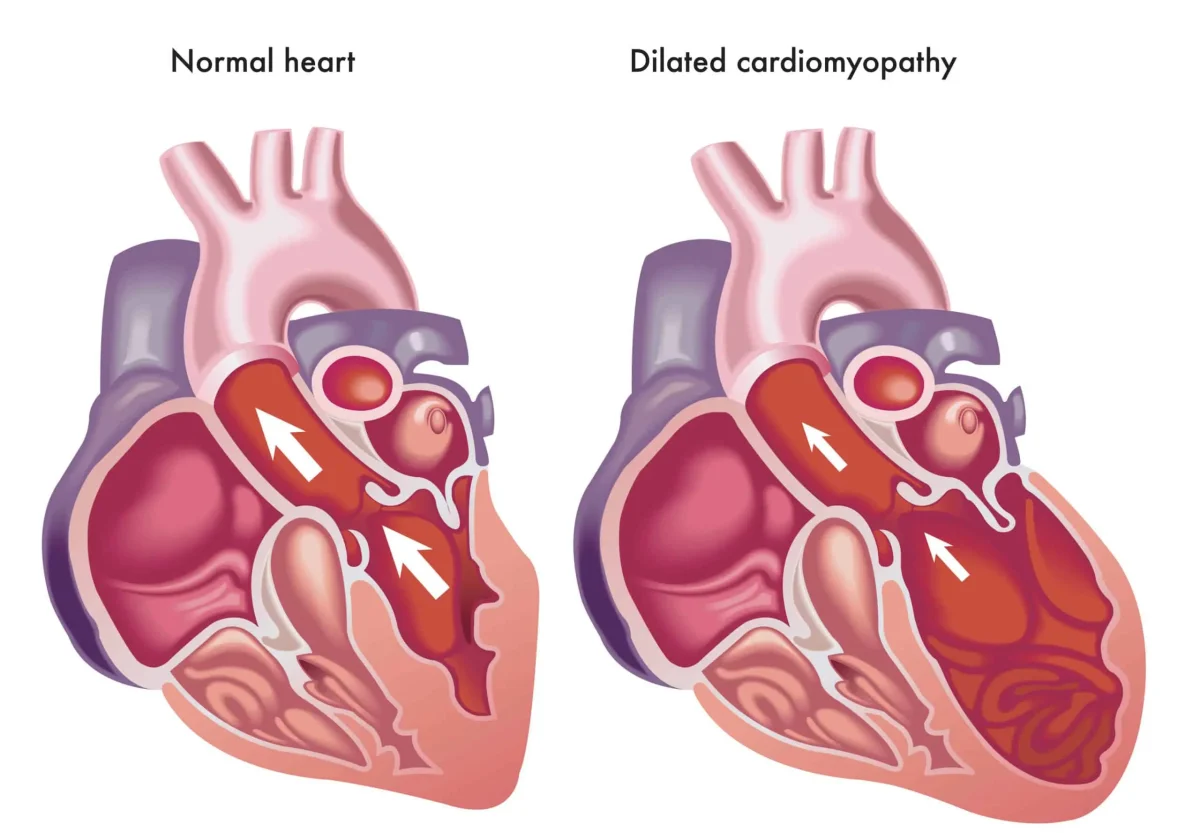
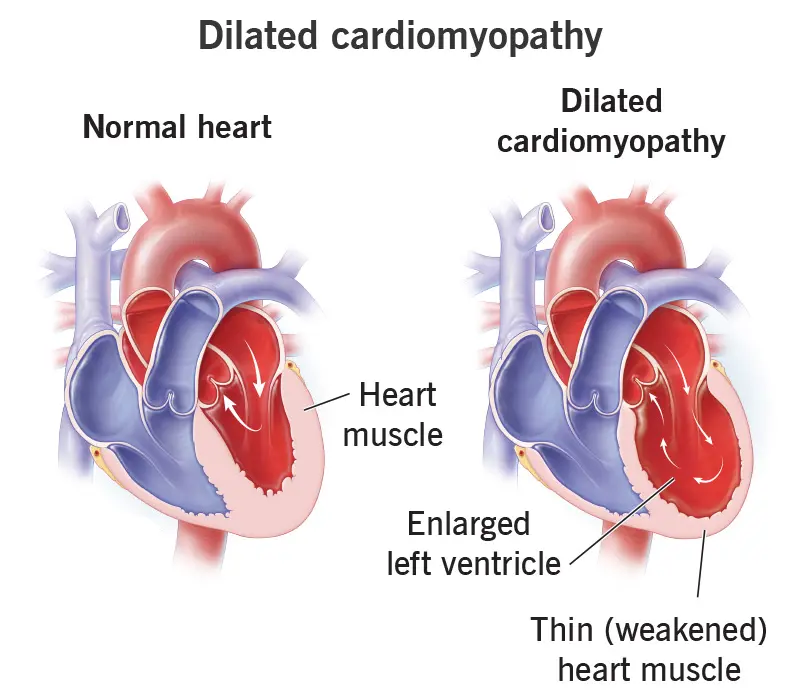
Diagnosis To diagnose dilated cardiomyopathy, a healthcare provider conducts a physical examination and reviews the patient’s personal and family medical history. Using a stethoscope, the provider listens to the heart and lungs for signs of abnormal sounds or fluid buildup. Referral to a cardiologist is common for further evaluation. Tests Several diagnostic tests are used to confirm dilated cardiomyopathy and …

Cardiomyopathy

admin

Diagnosis Cardiomyopathy refers to diseases of the heart muscle that make it harder for the heart to pump blood effectively. Diagnosis usually involves a combination of medical history, physical exam, and imaging tests. Physical examination: Checking for swelling, irregular heartbeat, shortness of breath, and signs of heart failure Electrocardiogram (ECG or EKG): Detects abnormal heart rhythms and structural changes Echocardiogram: …

Enlarged Heart

admin

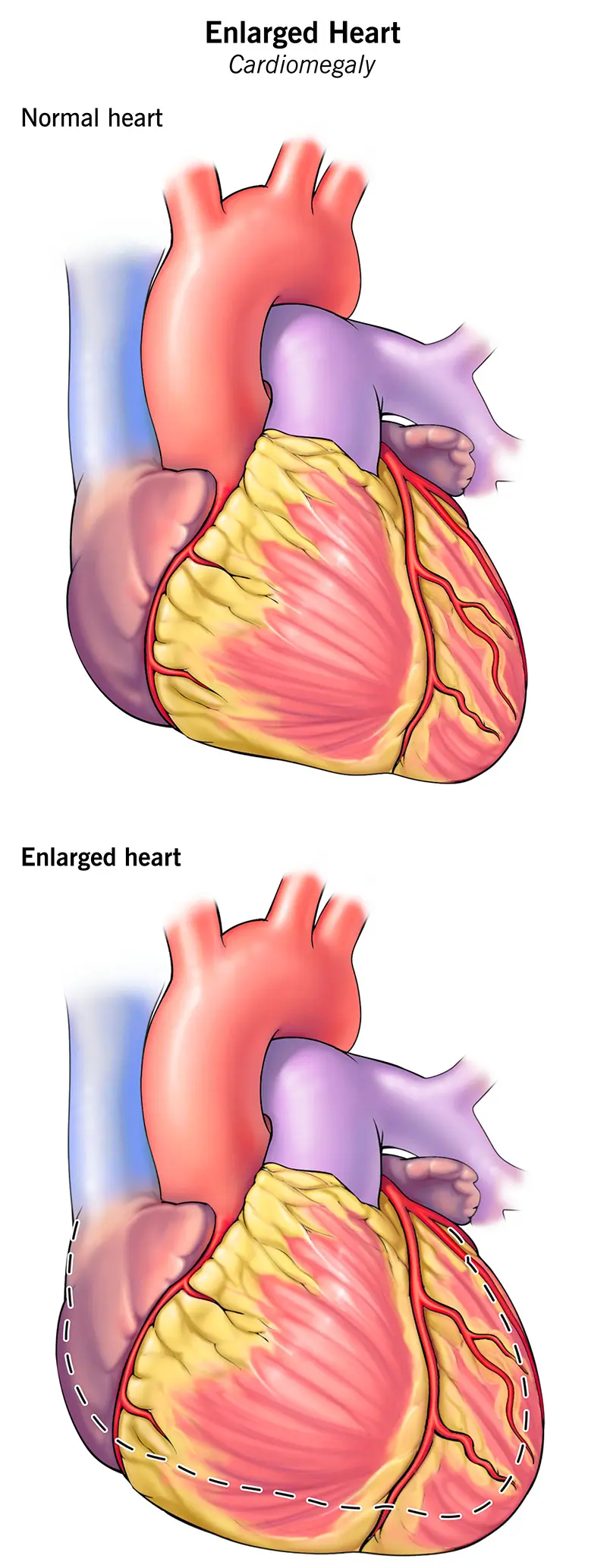
Diagnosis To diagnose an enlarged heart (cardiomegaly), your health care provider will typically perform a physical examination and discuss your medical history and symptoms. Tests commonly used to determine the presence and cause of an enlarged heart include: Blood tests: Help detect conditions that can cause heart enlargement or confirm a heart attack by identifying substances from damaged heart muscle. …

Cardiogenic Shock

admin

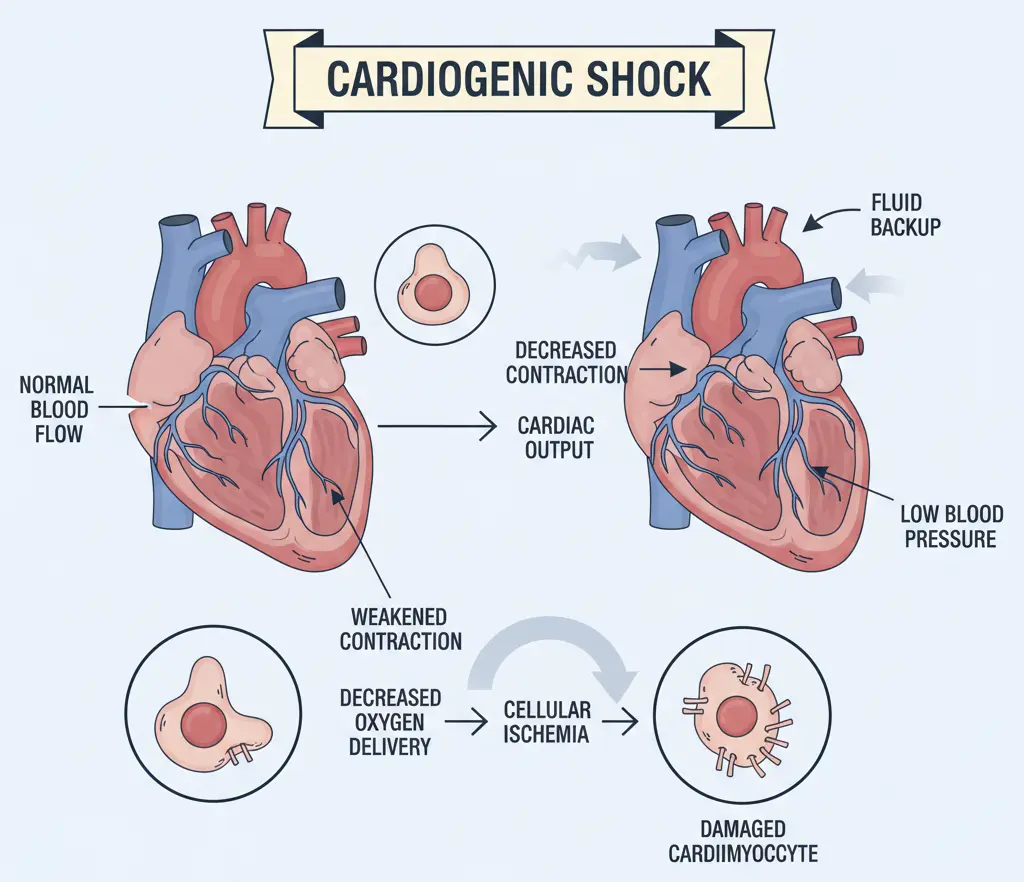
Diagnosis Cardiogenic shock occurs when the heart cannot pump enough blood to meet the body’s needs, often due to a severe heart attack or heart failure. Diagnosis is usually made quickly in emergency settings. Common diagnostic steps include: Physical examination: Checking for low blood pressure, rapid heartbeat, cool and clammy skin, and signs of poor organ perfusion Electrocardiogram (ECG or …

Myocardial Ischemia

admin

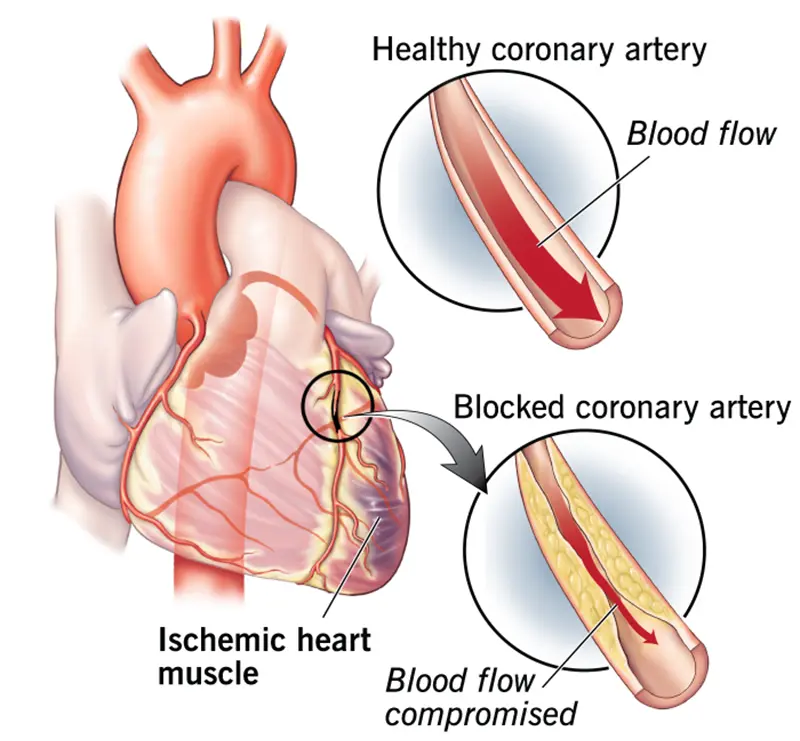
Diagnosis Diagnosis of myocardial ischemia usually begins with a discussion of your medical history followed by a physical examination. Based on these findings, your doctor may recommend several tests to evaluate heart function and blood flow. An electrocardiogram records the electrical activity of the heart through electrodes placed on the skin. Certain changes in this electrical pattern may indicate heart …

Sudden Cardiac Arrest

admin

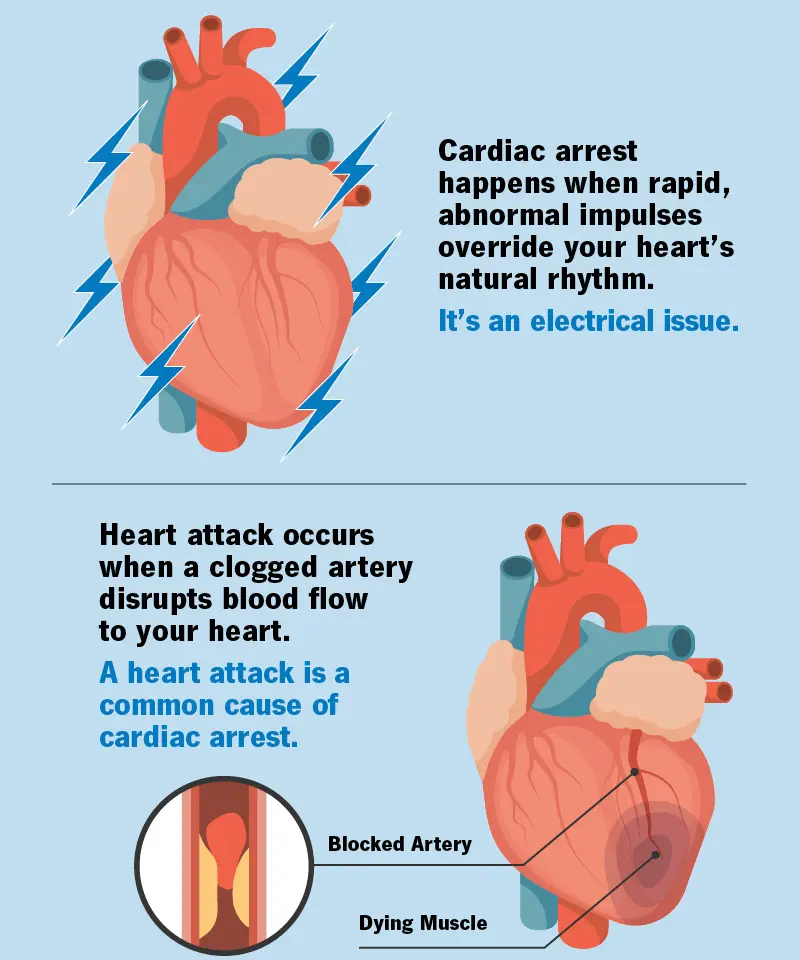
Diagnosis Sudden cardiac arrest happens without warning and requires immediate emergency care. Once the heartbeat is restored and you are stable, healthcare professionals perform tests to find the cause. These tests help check how well the heart pumps blood and identify conditions that may increase the risk of sudden cardiac arrest. Tests often include: Blood tests to check for heart …

Carcinoma of Unknown Primary

admin

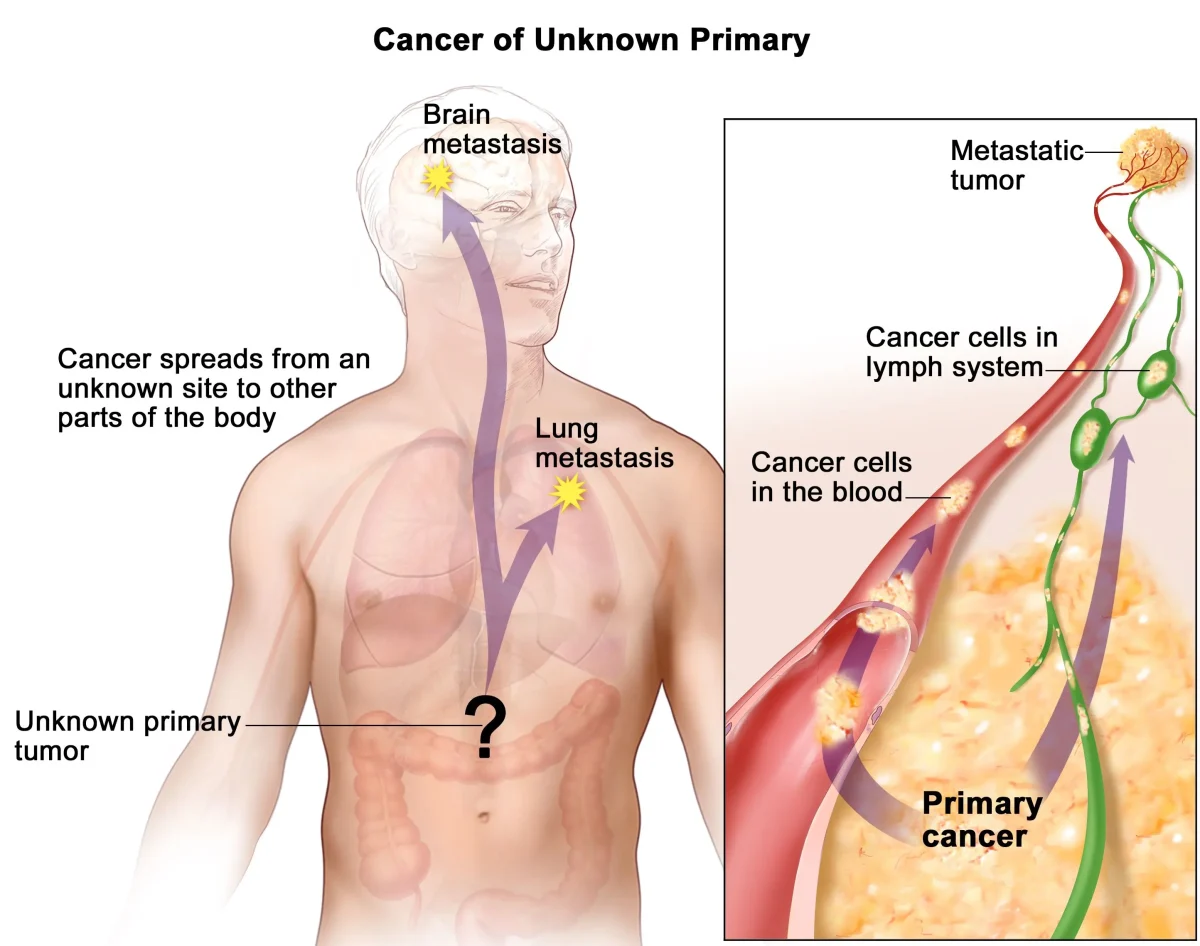
Diagnosis Carcinoma of Unknown Primary (CUP) is a type of cancer in which the primary tumor site cannot be identified at the time of diagnosis. Diagnosis usually begins after cancer is found in a secondary location, such as lymph nodes, liver, lungs, or bones. Common diagnostic steps include: Medical history and physical exam: Reviewing symptoms, risk factors, and overall health …

Carcinoid Syndrome

admin

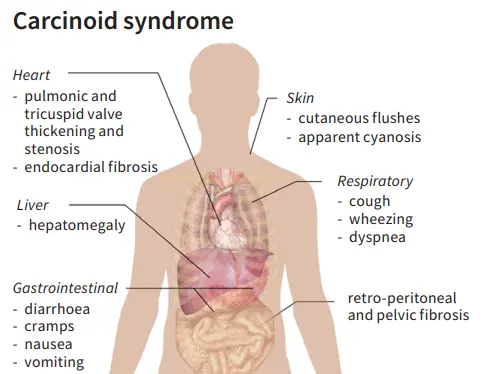
Diagnosis Carcinoid syndrome is diagnosed based on symptoms, medical history, and specific tests to detect hormones produced by carcinoid tumors. Healthcare providers often consider a history of flushing, diarrhea, abdominal pain, wheezing, and heart-related symptoms. Diagnostic tests may include: Blood tests: Measures levels of serotonin, chromogranin A, or other tumor markers Urine tests: 24-hour urine collection to check for 5-HIAA, …

Carbon Monoxide Poisoning

admin

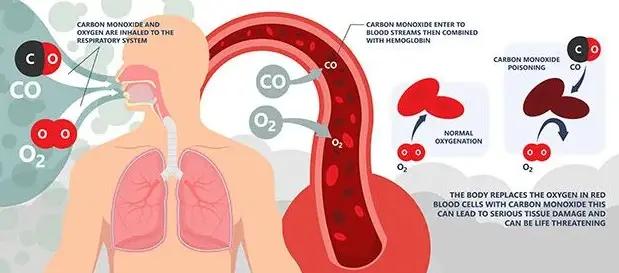
Diagnosis Diagnosis of carbon monoxide poisoning is made based on symptoms, exposure history, and specific medical tests. A healthcare provider will ask about possible exposure to sources of carbon monoxide, such as gas heaters, car exhaust, or fireplaces, and assess symptoms like headache, dizziness, confusion, or nausea. Common diagnostic tests include: Blood test to measure the level of carboxyhemoglobin, which …