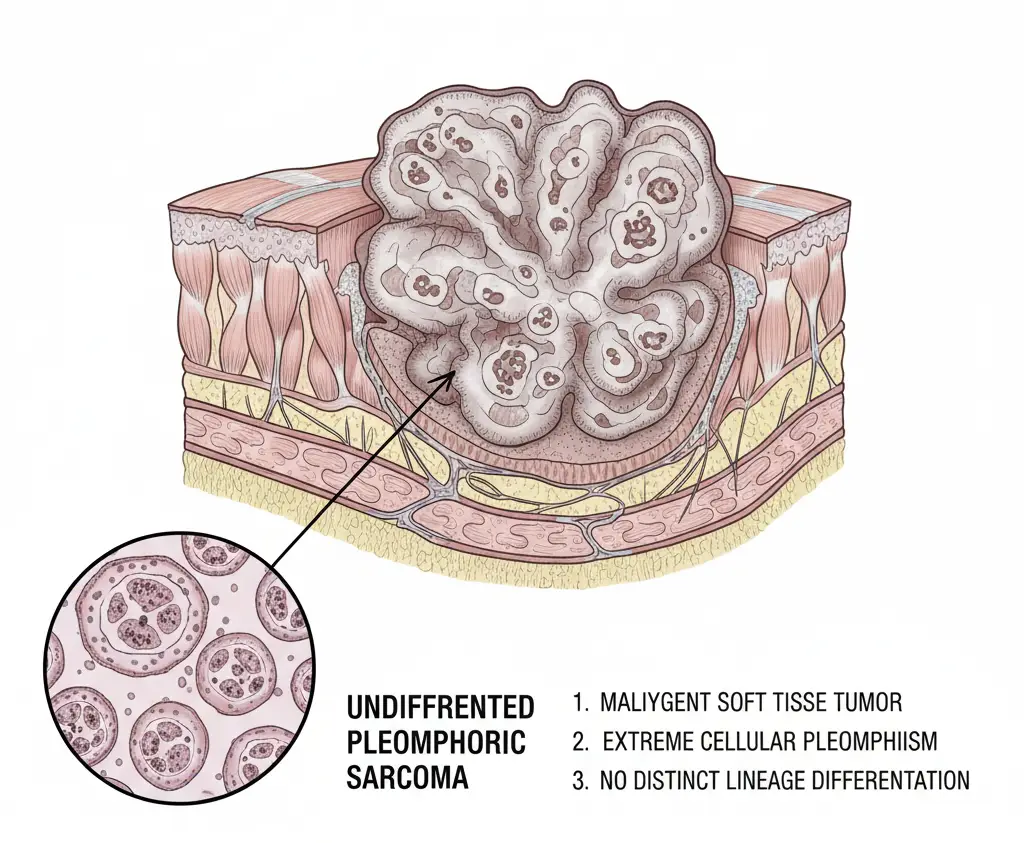
Undifferentiated Pleomorphic Sarcoma

admin

Diagnosis Diagnosis of undifferentiated pleomorphic sarcoma begins with a review of symptoms and a physical examination. This cancer is typically diagnosed after ruling out other possible cancer types. Tests and procedures that may be performed include: Physical exam: Your healthcare provider will ask about your symptoms, when they began, and how they have changed. The affected area will be examined …
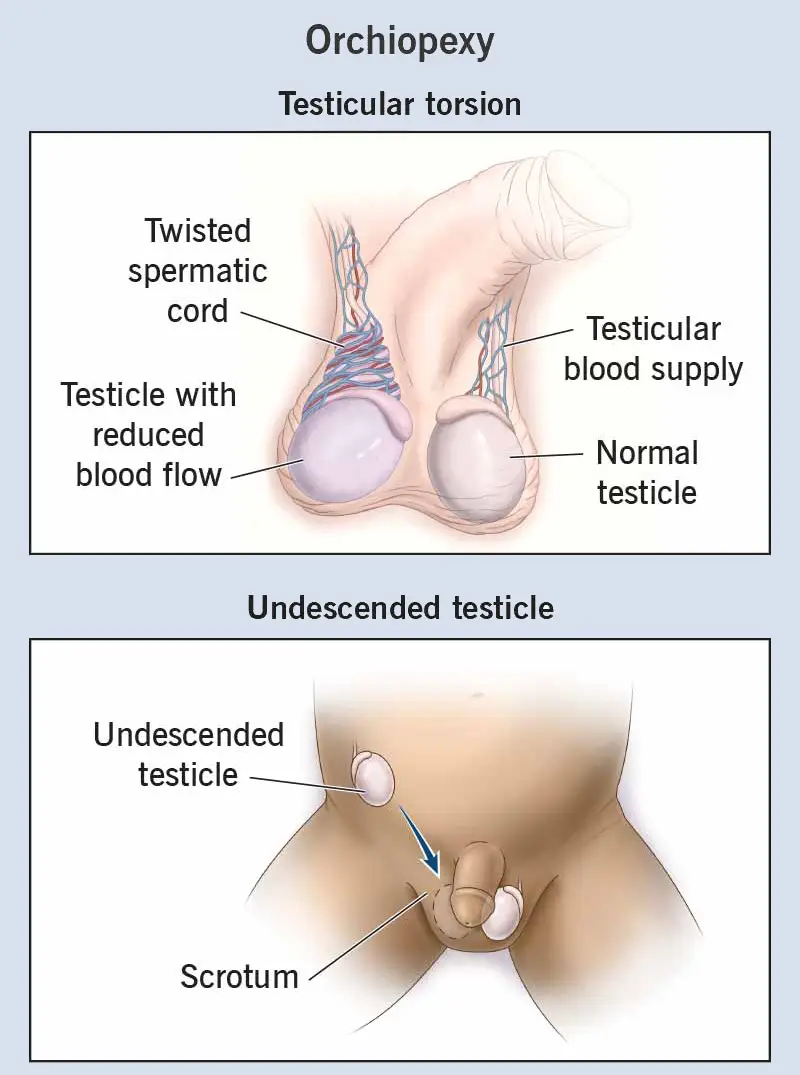
Undescended Testicle

admin

Diagnosis Diagnosis of an undescended testicle often involves a physical exam shortly after birth. If the testicle is not felt in the scrotum, further evaluation may be needed. In some cases, surgery is required both to locate the testicle and to treat the condition. There are two main surgical approaches: Laparoscopy: A small tube with a camera is inserted through …

Bags Under Eyes

admin

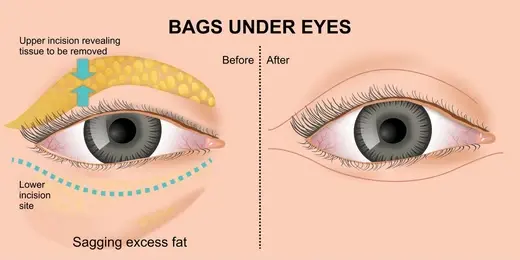
Diagnosis of Bags Under Eyes Bags under the eyes are usually noticeable without medical testing. A healthcare professional can evaluate the skin and underlying structures to determine possible causes or to discuss cosmetic or surgical options: Visual examination: Assessment of under-eye skin for puffiness, fat pads, or sagging. Review of contributing factors: Lifestyle, aging, allergies, fluid retention, or genetic predisposition …

Hypothyroidism (Underactive Thyroid)

admin

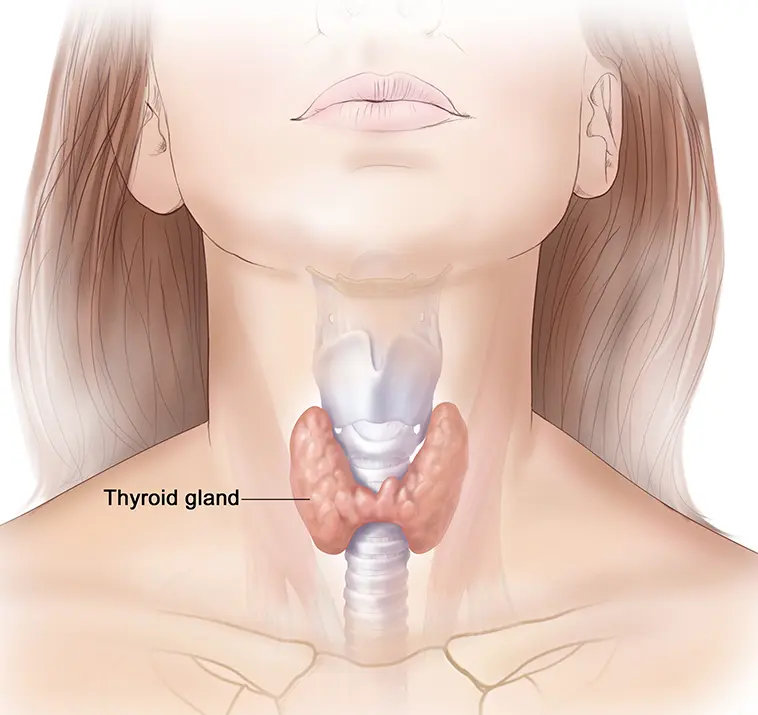
Diagnosis Diagnosing hypothyroidism involves more than just evaluating symptoms, as they can vary from person to person and resemble other medical conditions. Therefore, healthcare providers rely primarily on blood tests to confirm the diagnosis. The first test typically measures the level of thyroid-stimulating hormone (TSH) in the blood. A high TSH level suggests that the thyroid gland is underactive. To …

Pseudobulbar Affect

admin

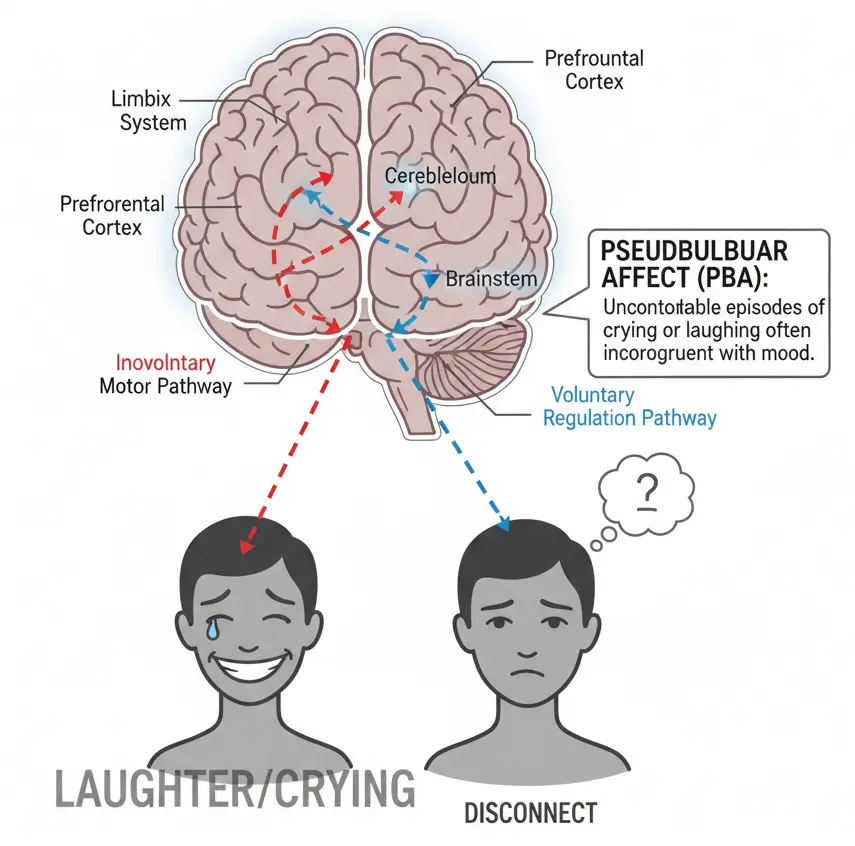
Diagnosis Pseudobulbar affect (PBA) is usually diagnosed during a neurological evaluation. Specialists who can diagnose PBA include internists, neuropsychologists, neurologists, and psychiatrists. PBA is often misdiagnosed as depression, bipolar disorder, generalized anxiety disorder, schizophrenia, personality disorders, or epilepsy. To help your healthcare professional determine if you have PBA, provide detailed information about your emotional outbursts, including their frequency, triggers, and …

Umbilical Hernia

admin

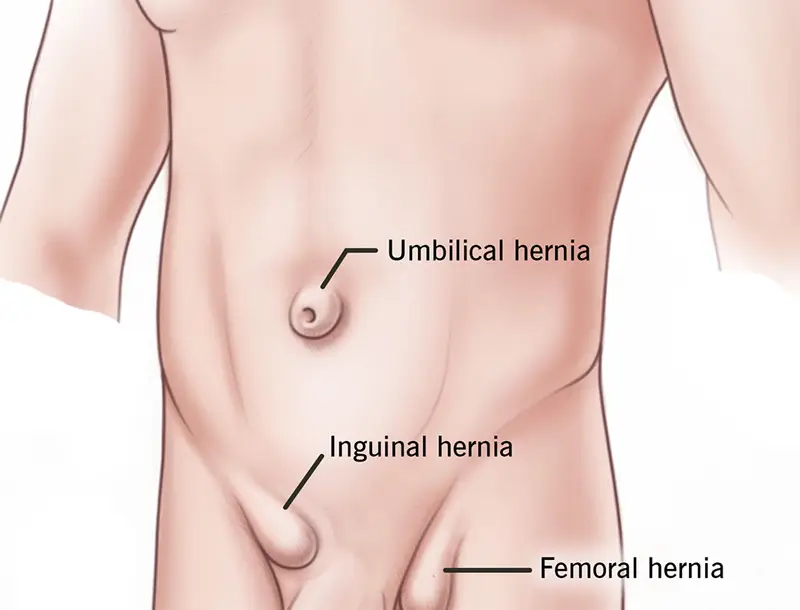
Diagnosis An umbilical hernia is usually diagnosed during a physical examination. Your doctor can often identify the hernia by gently feeling the area around the bellybutton. In some cases, imaging tests may be recommended to check for complications or to confirm the diagnosis. Common imaging tests that may be used include: Abdominal ultrasound X-ray CT scan These tests help evaluate …

Ulnar Wrist Pain

admin

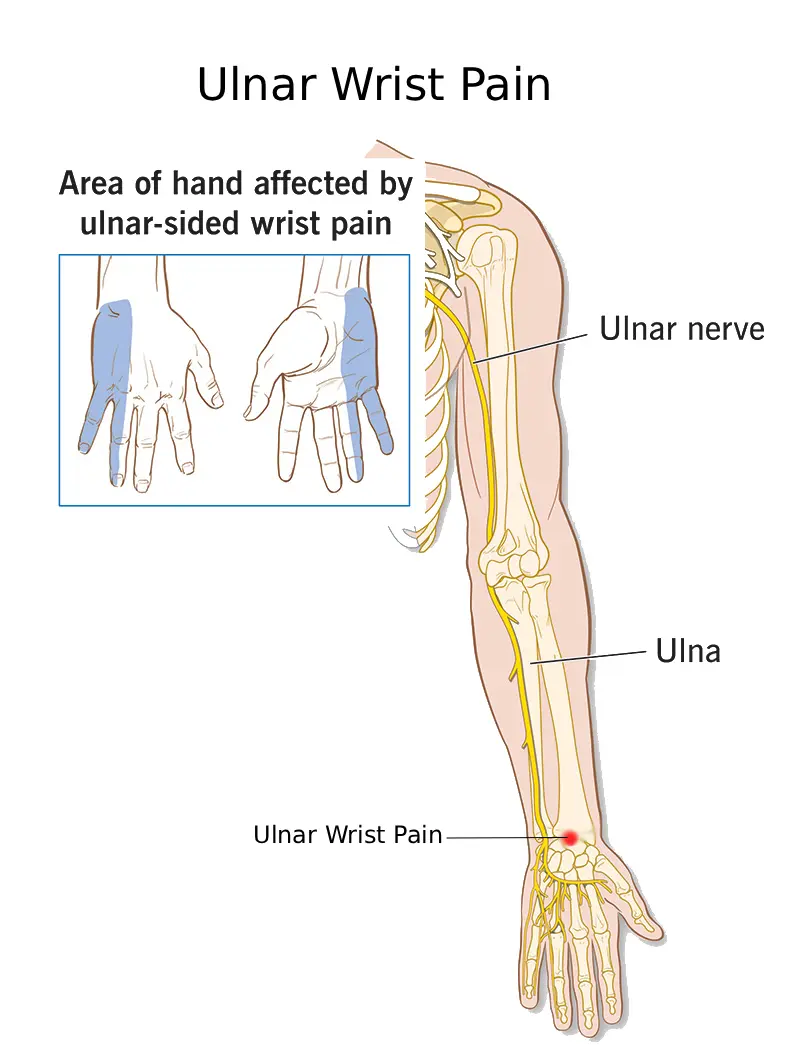
Diagnosis To diagnose the cause of ulnar wrist pain, a healthcare professional will begin with a physical examination. During the exam, your wrist and hand may be moved into different positions to identify the source of pain. The doctor will also assess your range of motion and grip strength to determine the extent of the problem. Imaging tests may be …

Ulcerative Colitis

admin

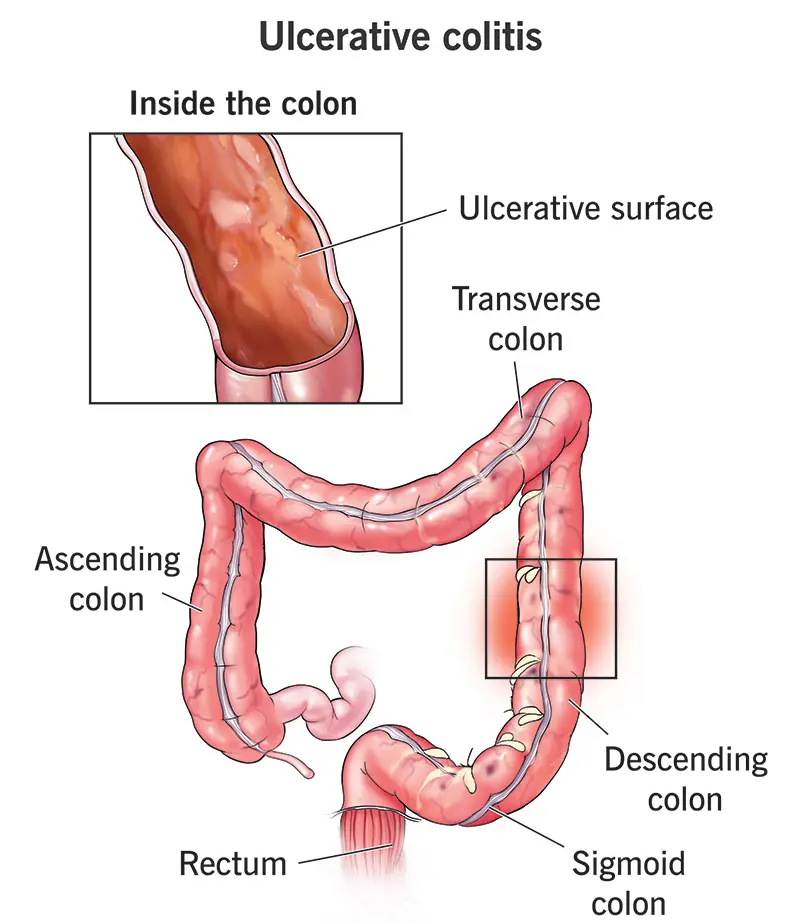
Diagnosis and testing To diagnose ulcerative colitis, healthcare professionals typically perform a colonoscopy and take small tissue samples, called biopsies, from the lining of the colon. These tests help confirm inflammation and rule out other forms of inflammatory bowel disease, such as Crohn’s disease. Additional tests like stool analysis, MRI, or CT scans may be used to detect complications and …

Solitary Rectal Ulcer Syndrome

admin

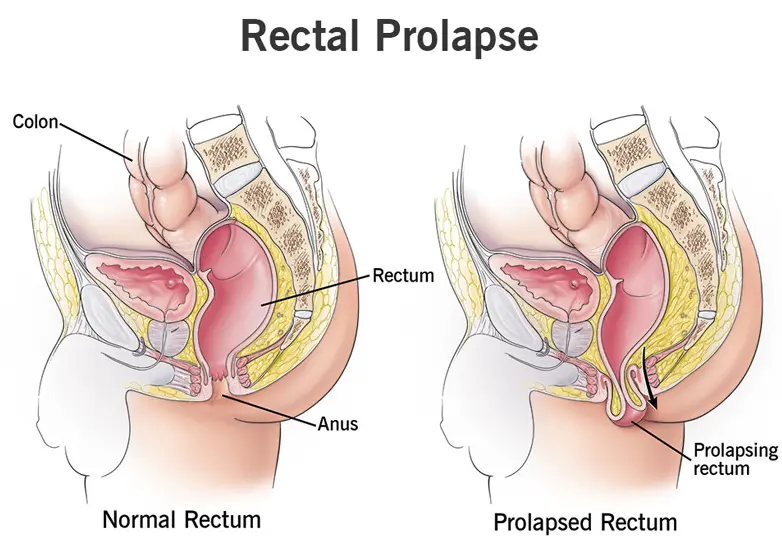
Diagnosis Several tests may be used to diagnose solitary rectal ulcer syndrome, depending on symptoms and clinical findings. These tests help evaluate rectal structure, bowel function and muscle coordination. SigmoidoscopyThis test uses a thin, flexible tube with a camera to examine the rectum and part of the colon. If a lesion is seen, a tissue sample may be collected for …

Peptic Ulcer

admin

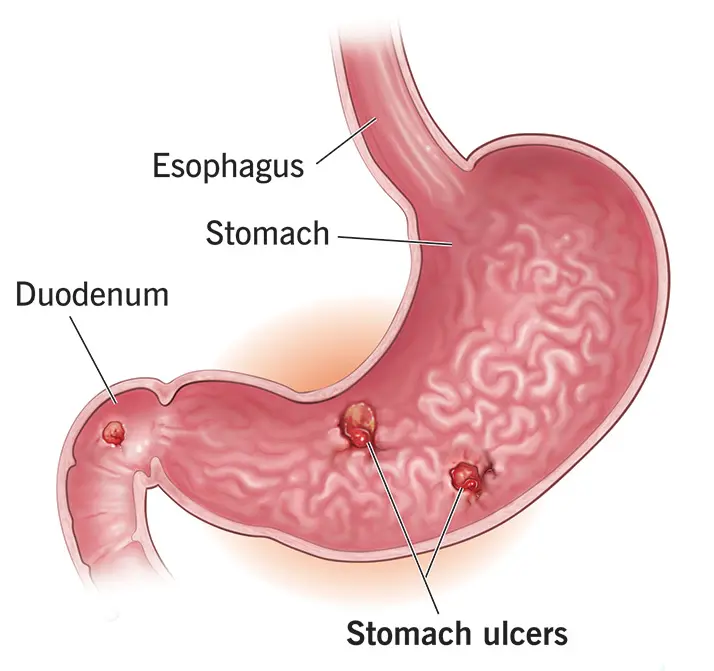
Diagnosis A proper diagnosis of peptic ulcers involves a combination of medical history, physical exam, and specialized tests. Your healthcare professional may use the following: • Laboratory tests for H. pylori. Blood, stool, or breath tests can detect the presence of H. pylori. For the breath test, you consume a substance containing radioactive carbon. If H. pylori is present, your …