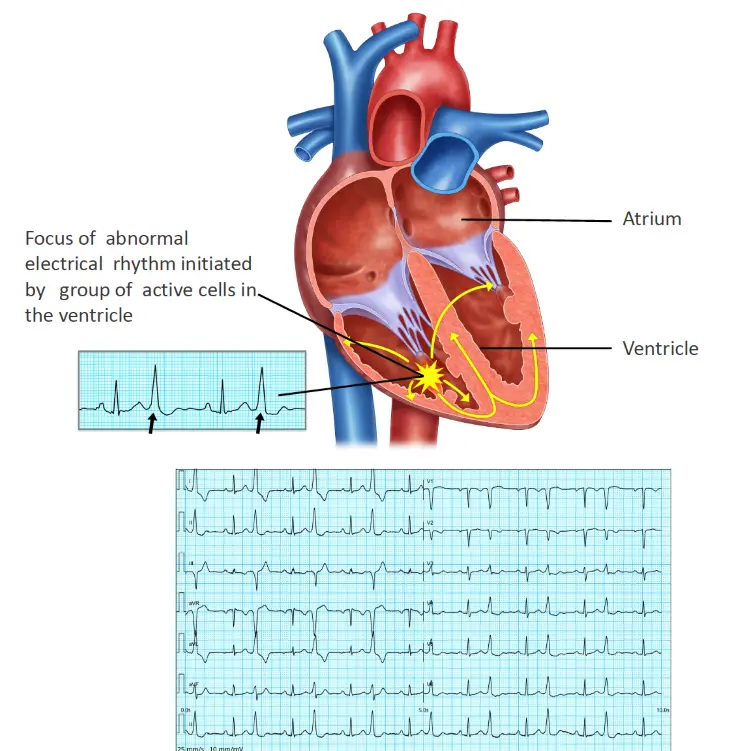
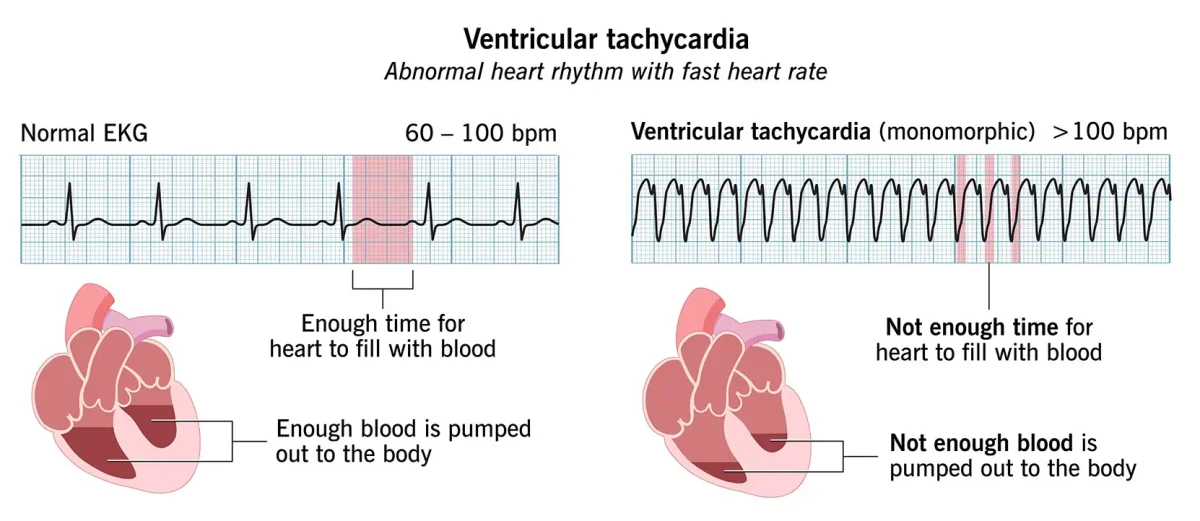
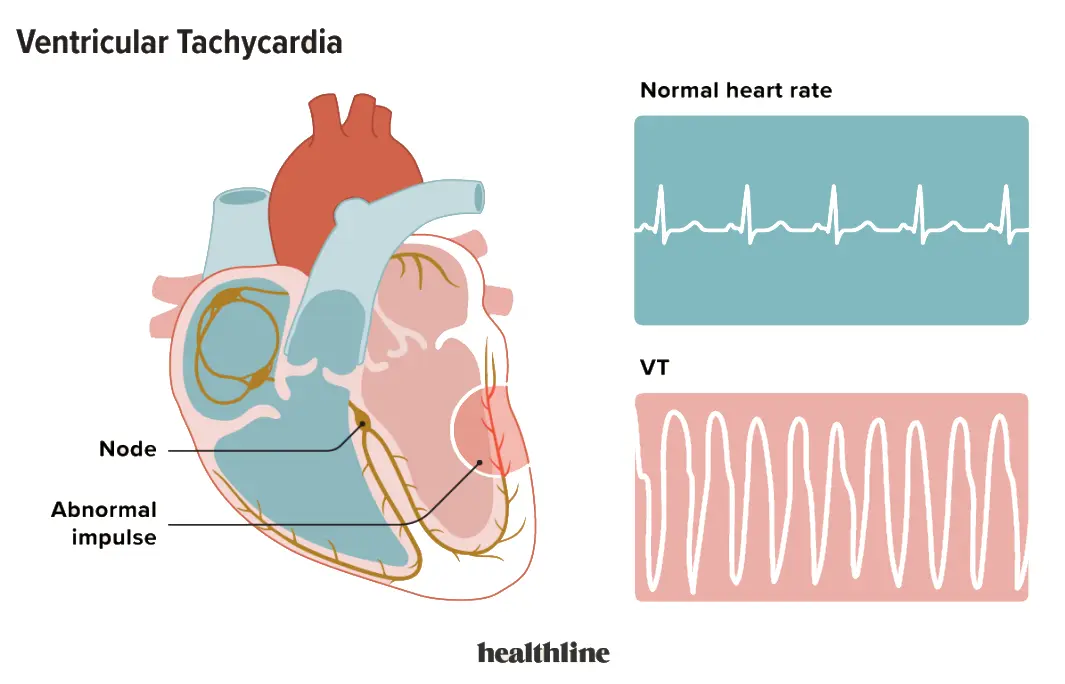
Ventricular Tachycardia

admin

Diagnosis A thorough physical exam, medical history, and various tests are required to diagnose ventricular tachycardia. In some cases, this condition may require emergency care and is diagnosed at a hospital. When possible, a healthcare professional may ask you or your family questions about symptoms, lifestyle habits, and medical history. Tests Tests are performed to check the heart and confirm …
Ventricular Septal Defect (VSD)

admin

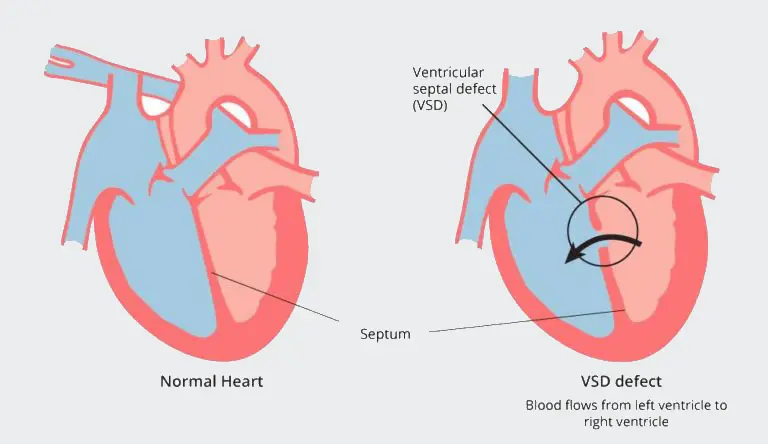
Ventricular septal defect (VSD) is a congenital heart condition in which there is a hole in the septum that separates the heart’s two lower chambers, called the ventricles. This opening allows oxygen-rich blood from the left ventricle to mix with oxygen-poor blood in the right ventricle, increasing blood flow to the lungs. VSD is one of the most common congenital …

Ventricular Septal Defect (VSD)

admin

Diagnosis Some ventricular septal defects are diagnosed soon after birth, while others may not be detected until later in life. In some cases, a VSD can be seen before birth during a pregnancy ultrasound. If a ventricular septal defect is present, a healthcare provider may hear a whooshing sound, known as a heart murmur, when listening to the heart with …

Premature Ventricular Contractions (PVCs)

admin

Diagnosis To diagnose premature ventricular contractions, a healthcare professional performs a physical examination and asks detailed questions about medical history and lifestyle habits. Listening to the heart with a stethoscope may reveal irregular beats that suggest PVCs. Because PVCs may not happen consistently, further testing is usually needed to confirm the diagnosis and identify possible causes. Tests Several tests are …

Ventricular Fibrillation

admin

Ventricular fibrillation is a life-threatening heart rhythm disorder in which the lower chambers of the heart, called the ventricles, quiver rapidly and irregularly instead of pumping blood effectively. This causes an immediate loss of blood flow to the brain and vital organs, leading to sudden cardiac arrest. Ventricular fibrillation is a medical emergency that requires immediate treatment. Without prompt intervention, …

Ventricular Fibrillation

admin

Diagnosis Ventricular fibrillation is always diagnosed in an emergency situation. When sudden cardiac death occurs, checking for a pulse will show that there is none. Immediate medical attention is essential. Tests that help diagnose and determine the cause of ventricular fibrillation include: Electrocardiogram (ECG or EKG): This test measures the electrical activity of the heart. Electrodes are placed on the …

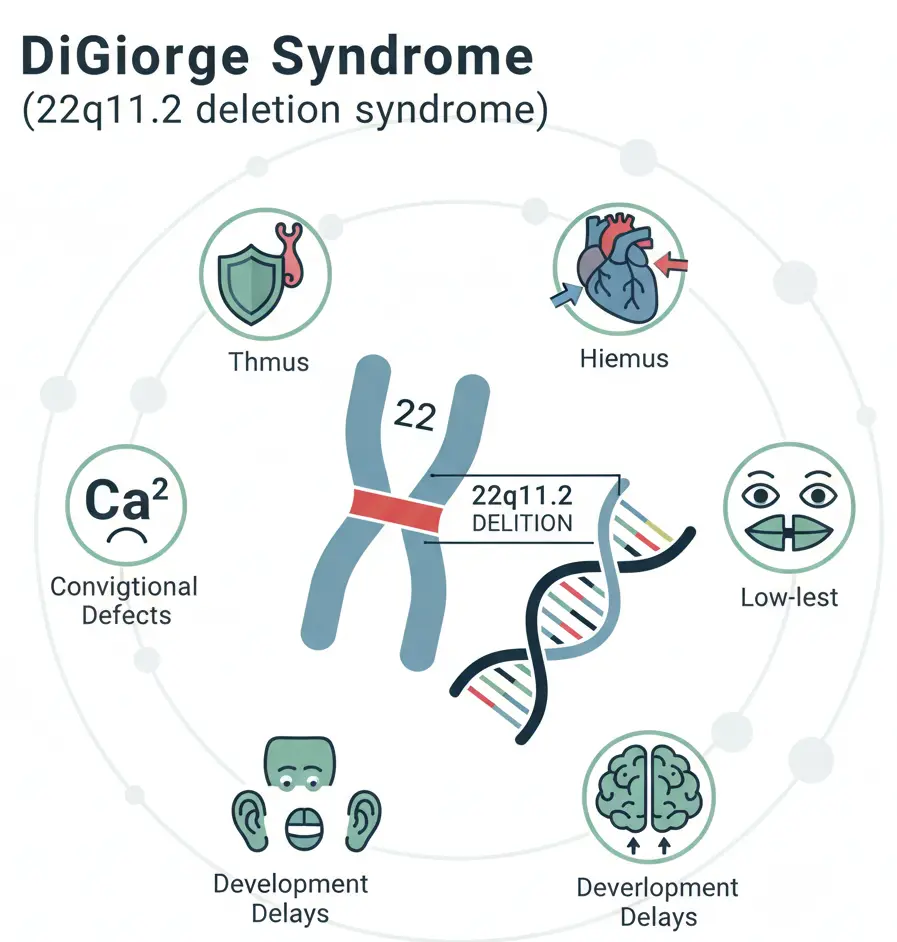
DiGeorge Syndrome (22q11.2 deletion syndrome)

admin

Diagnosis A diagnosis of DiGeorge syndrome, also known as 22q11.2 deletion syndrome, is primarily confirmed through a laboratory test that detects a missing section in chromosome 22. Healthcare professionals usually recommend this test when a child shows: A combination of medical issues or developmental delays suggesting 22q11.2 deletion syndrome Heart defects, as certain congenital heart problems are closely associated with …

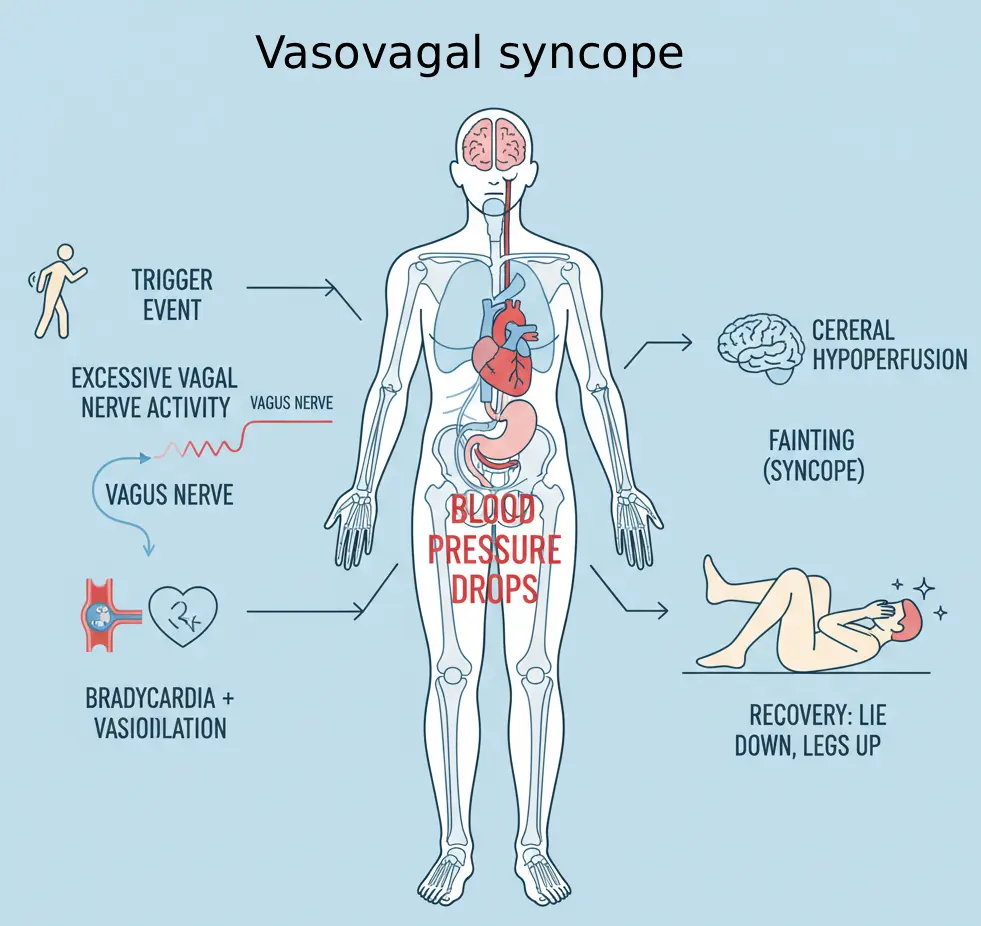
Vasovagal Syncope

admin

Diagnosis Diagnosing vasovagal syncope usually begins with a physical examination. During this exam, your healthcare professional listens to your heart and checks your blood pressure. They may also gently massage the main arteries in your neck to see if this action makes you feel lightheaded or faint. To rule out other possible causes of fainting, especially those related to the …

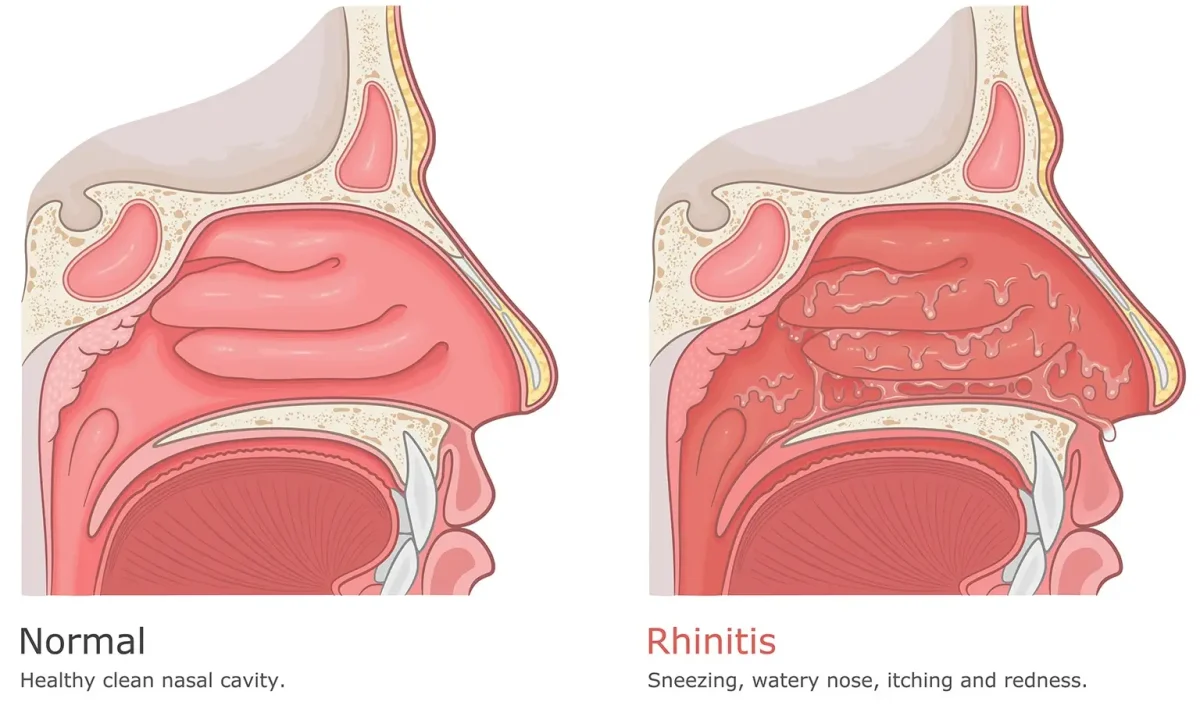
Nonallergic Rhinitis

admin

Diagnosis Nonallergic rhinitis is diagnosed based on symptoms, medical history, and exclusion of allergic causes. A healthcare provider will ask about the pattern, duration, and triggers of nasal symptoms, such as exposure to strong odors, weather changes, medications, or irritants. To rule out allergic rhinitis, allergy testing may be performed. Skin prick tests or blood tests can help determine whether …

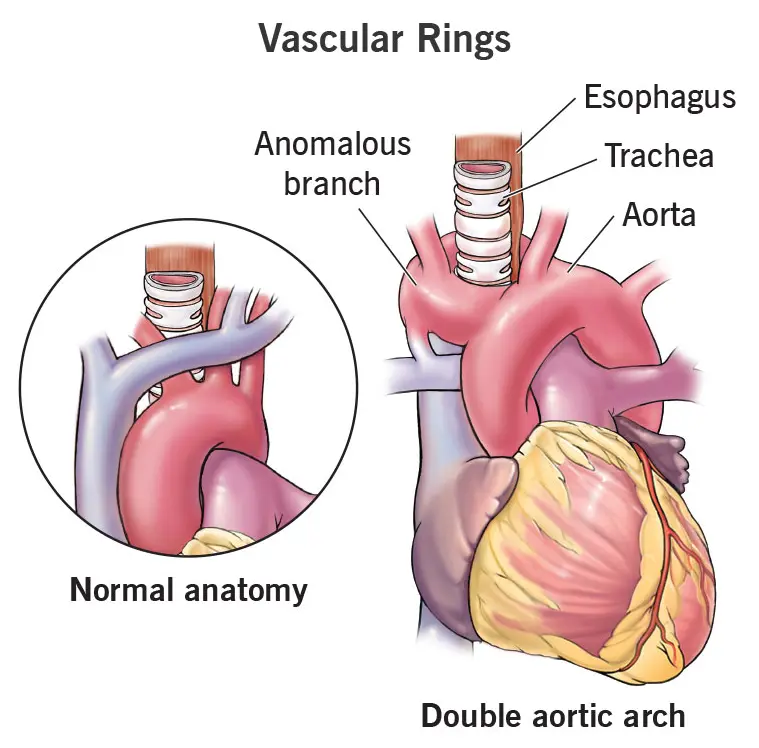
Vascular Rings

admin

Diagnosis Congenital heart defects can be diagnosed during pregnancy or after birth. Some signs of these heart problems may be visible on a routine pregnancy ultrasound, called a fetal ultrasound. After birth, a healthcare professional may suspect a congenital heart defect if a baby shows signs such as: Growth delays Changes in color on the lips, tongue, or nails A …