
Overview
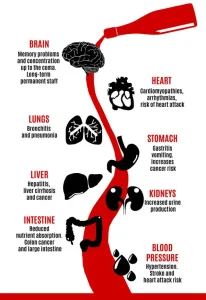
Alcohol use disorder is a medical condition marked by an ongoing pattern of alcohol use that leads to difficulty controlling drinking, strong cravings for alcohol, or continued use despite clear negative consequences. It also includes physical dependence, such as needing to drink more alcohol to achieve the same effect or experiencing withdrawal symptoms when alcohol intake is reduced or stopped. Alcohol use disorder includes what is commonly referred to as alcoholism.
Unhealthy alcohol use covers any drinking behavior that increases health or safety risks or causes alcohol-related problems. This includes binge drinking, which is defined as consuming five or more drinks within two hours for males or four or more drinks within two hours for females. Binge drinking significantly raises the risk of injury, illness, and long-term health problems.
When alcohol use causes repeated distress or interferes with daily responsibilities, relationships, or work, alcohol use disorder is likely present. The condition can range from mild to severe, but even mild forms can worsen over time and lead to serious complications. Early recognition and treatment are important to prevent progression.
Symptoms
Alcohol use disorder may be mild, moderate, or severe, depending on how many symptoms are present. Signs and symptoms may include:
-
Being unable to control or limit how much alcohol you drink
-
Wanting to cut down on drinking or making repeated unsuccessful attempts to do so
-
Spending a great deal of time drinking, obtaining alcohol, or recovering from its effects
-
Experiencing strong cravings or urges to drink
-
Failing to meet responsibilities at work, school, or home because of alcohol use
-
Continuing to drink despite knowing it is causing physical, social, or relationship problems
-
Giving up or reducing important social, work, or recreational activities
-
Using alcohol in unsafe situations, such as while driving or swimming
-
Developing tolerance, meaning more alcohol is needed to feel the same effect
-
Experiencing withdrawal symptoms such as nausea, sweating, or shaking when not drinking
Alcohol use disorder can involve periods of intoxication and withdrawal. Alcohol intoxication occurs as blood alcohol levels rise and can lead to impaired judgment, mood changes, slurred speech, poor coordination, memory problems, and blackouts. Extremely high levels may result in coma, permanent brain damage, or death.
Alcohol withdrawal can begin within hours to several days after stopping or reducing heavy, prolonged drinking. Symptoms may include sweating, rapid heartbeat, tremors, sleep problems, nausea, vomiting, hallucinations, anxiety, agitation, and, in severe cases, seizures.
Causes
Alcohol use disorder develops from a combination of genetic, psychological, social, and environmental factors. For some individuals, alcohol has a stronger effect on brain chemistry, increasing the likelihood of dependence.
Over time, excessive alcohol use alters the function of brain areas involved in pleasure, judgment, and self-control. These changes can create powerful cravings and make it difficult to stop drinking, even when alcohol causes harm. People may continue drinking to feel pleasure or to avoid negative physical and emotional symptoms.
Risk factors
Alcohol use disorder can begin at any age, though it is more common in people in their 20s and 30s. Risk factors include:
-
Regular heavy drinking or repeated binge drinking over time
-
Starting alcohol use, especially binge drinking, at an early age
-
Family history of alcohol-related problems
-
Mental health conditions such as depression, anxiety, bipolar disorder, or schizophrenia
-
A history of emotional or physical trauma
-
Having undergone bariatric surgery
-
Social and cultural influences, including peer pressure and exposure to heavy drinking norms
Complications
Alcohol depresses the central nervous system, affecting judgment, coordination, speech, and behavior. Continued heavy use can result in serious safety and health consequences.
Safety-related complications may include motor vehicle accidents, drowning, injuries, violence, legal problems, poor work or school performance, risky sexual behavior, and an increased risk of suicide.
Health complications linked to long-term alcohol use include liver disease, digestive disorders, heart problems, high blood pressure, stroke, diabetes-related complications, sexual dysfunction, eye and vision problems, weakened bones, nerve damage, memory loss, and impaired immune function. Alcohol use during pregnancy can lead to miscarriage or lifelong developmental disorders in the child. Long-term excessive drinking also increases the risk of several cancers, including cancers of the mouth, throat, liver, colon, and breast.
Alcohol can also interact dangerously with certain medications, increasing toxicity or reducing treatment effectiveness.
Prevention
Early intervention can help prevent alcohol-related problems, particularly in teenagers. Warning signs may include changes in behavior, declining school performance, loss of interest in activities, mood swings, coordination problems, or shifts in peer groups.
Prevention strategies include setting a positive example with responsible alcohol use, maintaining open communication with children and teenagers, spending quality time together, and clearly explaining expectations and consequences related to alcohol use. Early awareness and supportive guidance can reduce the risk of developing alcohol use disorder later in life.
Advertisement
