
Overview
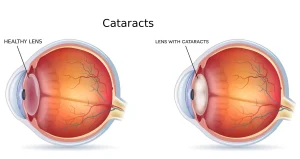
Cataracts are a common eye condition in which the normally clear lens of the eye becomes cloudy, leading to blurred or reduced vision. They typically develop slowly and can affect one or both eyes. Cataracts are most often related to aging, but they can also occur due to injury, medical conditions, or certain medications. If left untreated, cataracts can significantly interfere with daily activities such as reading, driving, and recognizing faces.
Symptoms
Cataract symptoms usually progress gradually and may not be noticeable in the early stages.
Common symptoms include:
-
Blurred, cloudy, or dim vision
-
Increased sensitivity to light and glare
-
Difficulty seeing at night
-
Seeing halos around lights
-
Fading or yellowing of colors
-
Frequent changes in eyeglass or contact lens prescription
-
Double vision in one eye
As cataracts worsen, vision impairment becomes more pronounced.
Causes
Cataracts develop when changes occur in the proteins of the eye’s lens, causing it to become cloudy. These changes interfere with the passage of light to the retina.
Common causes include:
-
Natural aging of the lens
-
Eye injury or trauma
-
Prolonged exposure to ultraviolet light
-
Certain medical conditions such as diabetes
-
Long-term use of corticosteroid medications
-
Previous eye surgery or inflammation
In some cases, cataracts may be present at birth or develop during childhood.
Risk Factors
Several factors increase the likelihood of developing cataracts.
Key risk factors include:
-
Advancing age
-
Diabetes
-
Smoking
-
Excessive alcohol consumption
-
Prolonged sun exposure without eye protection
-
Family history of cataracts
-
Obesity
-
High blood pressure
The presence of one or more risk factors can accelerate cataract development.
Complications
If cataracts are not treated, they can lead to progressive vision loss and reduced quality of life.
Possible complications include:
-
Severe visual impairment or blindness
-
Increased risk of falls and injuries
-
Difficulty performing daily activities
-
Reduced independence
-
Depression or social withdrawal due to vision problems
Timely treatment can prevent most cataract-related complications.
Prevention
Although cataracts cannot always be prevented, certain measures may help delay their development or progression.
Preventive strategies include:
-
Wearing sunglasses that block ultraviolet rays
-
Avoiding smoking
-
Limiting alcohol intake
-
Managing chronic conditions such as diabetes
-
Eating a balanced diet rich in fruits and vegetables
-
Having regular eye examinations
Early detection through routine eye care allows for timely management and helps preserve vision.
Request an appointment
Advertisement
