
Overview
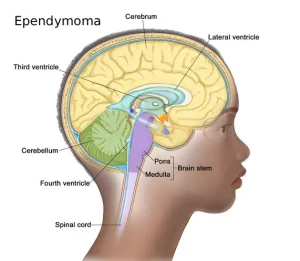
Ependymoma is a rare type of tumor that develops from ependymal cells, which line the fluid-filled spaces of the brain and the central canal of the spinal cord. These tumors are classified as central nervous system tumors and can occur in both children and adults. Ependymomas may be slow-growing or more aggressive, depending on their type and location. Early diagnosis and appropriate treatment are important to reduce neurological complications.
Symptoms
Symptoms of ependymoma depend on the tumor’s size, growth rate, and location within the brain or spinal cord. Common symptoms include:
-
Persistent headaches, often worse in the morning
-
Nausea or vomiting due to increased pressure in the brain
-
Seizures
-
Balance and coordination problems
-
Weakness or numbness in the arms or legs
-
Changes in vision or hearing
-
Difficulty walking or maintaining posture
-
In children, delayed development or changes in head size
Symptoms often worsen gradually and should be medically evaluated.
Causes
The exact cause of ependymoma is not fully understood. It develops when ependymal cells begin to grow abnormally and form a tumor. Possible contributing factors include:
-
Genetic mutations affecting cell growth regulation
-
Abnormal cell development in the central nervous system
-
Rare inherited genetic conditions affecting tumor suppression
In most cases, no clear environmental or lifestyle cause is identified.
Risk Factors
Certain factors may increase the risk of developing ependymoma:
-
Childhood age, as it is more common in children
-
Tumors located in the brain in children and spinal cord in adults
-
History of rare genetic disorders affecting the nervous system
-
Male gender, with slightly higher incidence in some age groups
Most people with ependymoma do not have identifiable risk factors.
Complications
Ependymoma can lead to serious complications if not treated effectively:
-
Increased pressure in the brain causing neurological damage
-
Permanent weakness, sensory loss, or coordination problems
-
Seizures that may become chronic
-
Spread of tumor cells through cerebrospinal fluid in some cases
-
Recurrence of the tumor after treatment
-
Impact on learning, memory, or development in children
Long-term follow-up is often required due to the risk of recurrence.
Prevention
There is no known way to prevent ependymoma, as its exact cause remains unclear. However, early detection and management can reduce complications:
-
Prompt evaluation of persistent neurological symptoms
-
Regular medical follow-up after treatment to detect recurrence early
-
Supportive therapies to manage long-term neurological effects
-
Genetic counseling in rare cases with inherited conditions
Awareness of symptoms and early medical care play a key role in improving outcomes for individuals with ependymoma.
Advertisement
