
Overview
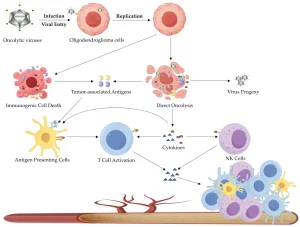
Oligodendroglioma is a rare type of primary brain tumor that originates from oligodendrocytes, the cells responsible for producing myelin, the protective covering of nerve fibers in the central nervous system. These tumors are generally slow-growing and are most commonly diagnosed in adults, particularly in middle age. Oligodendrogliomas often develop in the cerebral hemispheres and can affect brain function depending on their size and location.
Symptoms
Symptoms of oligodendroglioma vary based on tumor location and growth rate and may progress gradually:
-
Seizures, often the first noticeable symptom
-
Persistent headaches
-
Changes in personality or behavior
-
Difficulty with memory or concentration
-
Weakness or numbness on one side of the body
-
Speech or language difficulties
-
Visual disturbances
Causes
The exact cause of oligodendroglioma is not known, but it is associated with genetic changes in brain cells:
-
Mutations in genes involved in cell growth regulation
-
Loss of specific chromosomal regions affecting oligodendrocytes
-
Abnormal cell division leading to tumor formation
-
No clear link to lifestyle or environmental factors has been established
Risk Factors
Factors that may increase the risk of developing oligodendroglioma include:
-
Adult age, particularly between 30 and 50 years
-
Male gender
-
Certain inherited genetic syndromes, though rare
-
Prior exposure to high-dose radiation to the brain
Complications
Oligodendroglioma can lead to several complications due to tumor growth and treatment effects:
-
Progressive neurological deficits
-
Recurrent or difficult-to-control seizures
-
Increased intracranial pressure
-
Cognitive and functional impairment
-
Tumor recurrence after treatment
-
Side effects from surgery, radiation, or chemotherapy
Prevention
There is no known way to prevent oligodendroglioma, but early detection and management may improve outcomes:
-
Seeking medical evaluation for new-onset seizures or neurological symptoms
-
Regular follow-up for individuals with known brain tumors
-
Adhering to recommended treatment and monitoring plans
-
Avoiding unnecessary exposure to radiation when possible
Advertisement
