
Overview
Diagnosis
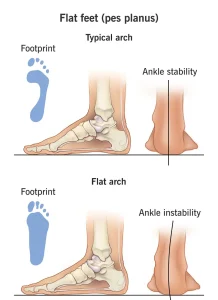
To understand the mechanics of your feet and identify the cause of pain, a healthcare provider will examine your feet from the front and back and ask you to stand on your toes. The provider will test the strength in your ankles, locate the main area of pain, and observe the wear pattern on your shoes. These visual and physical assessments can provide clues about how your feet function and where issues may exist.
Tests
Imaging tests may be recommended to determine the underlying cause of foot pain. These may include:
-
X-rays: A simple X-ray uses a small amount of radiation to capture images of the bones and joints in the feet. It is helpful in identifying bone alignment and signs of arthritis.
-
CT scan: This test provides detailed images by taking X-rays from multiple angles, offering more precision than a standard X-ray.
-
Ultrasound: Often used when a tendon injury is suspected, this test uses sound waves to produce detailed images of the soft tissues in the foot.
-
MRI: Using radio waves and a strong magnetic field, an MRI provides high-quality images of both bone and soft tissues, helping identify tendon or ligament issues.
Treatment
If flatfeet do not cause pain, treatment is usually not necessary. However, if discomfort or functional problems occur, several therapeutic options can help manage symptoms.
Therapies
For painful flatfeet, a healthcare provider may recommend:
-
Arch supports (orthotic devices): Over-the-counter arch supports can reduce discomfort, while custom orthotics molded to the shape of the feet may provide better support. Although they do not correct flatfeet, they can significantly reduce symptoms.
-
Stretching exercises: People with flatfeet often have a shortened Achilles tendon. Stretching exercises can help lengthen this tendon and reduce strain on the foot.
-
Physical therapy: Strengthening the muscles and tendons of the feet can improve gait and reduce pain. A physical therapist can design a tailored exercise program, especially helpful for runners or active individuals.
Surgery
Surgery is rarely needed and is not done solely to correct flatfeet. It may be considered when pain continues despite nonsurgical treatments and interferes with daily activities. Surgical procedures can correct structural problems in the bones or tendons that contribute to pain.
Lifestyle and home remedies
If flatfeet cause only mild discomfort, simple lifestyle changes and home treatments may help relieve symptoms:
-
Rest: Avoid high-impact activities that worsen pain and switch to low-impact exercises such as walking, cycling, or swimming.
-
Arch supports: Nonprescription arch supports can improve comfort during daily activities.
-
Medications: Over-the-counter pain relievers such as ibuprofen or naproxen sodium can reduce inflammation and discomfort.
-
Weight management: Losing excess weight helps decrease pressure and stress on the feet.
Preparing for your appointment
If foot pain is significant, your healthcare provider may refer you to a foot specialist, such as a podiatrist or orthopedic surgeon. Bring the shoes you wear most often so your provider can evaluate the wear patterns on the soles.
You may also prepare by answering the following questions before your appointment:
-
When did you first notice problems with your feet?
-
Do your parents or siblings have flatfeet?
-
Have you ever injured your foot or ankle?
-
What medications or supplements do you take regularly?
What to expect from your doctor
Your healthcare provider may ask questions to better understand your condition, such as:
-
Where exactly does it hurt?
-
How would you describe the pain — dull, sharp, or burning?
-
What activities or shoes make the pain worse or better?
-
Have you tried using arch supports?
-
How does the pain affect your daily life or physical activities?
Advertisement
