
Overview
Diagnosis
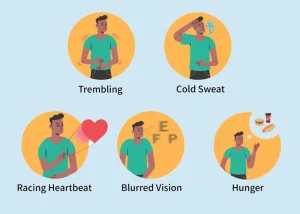
If you experience symptoms of hypoglycemia, your healthcare provider will begin by reviewing your medical history and performing a physical examination. For individuals who use insulin or other diabetes medications, testing blood sugar levels with a blood glucose meter is an essential first step. A reading below 70 mg/dL confirms low blood sugar, and treatment should follow your diabetes management plan.
Keeping a detailed record of your blood sugar readings, symptoms, and treatments helps your healthcare provider adjust your diabetes care plan effectively.
If you do not use medications that cause hypoglycemia, your provider will investigate other potential causes by asking:
-
What symptoms you experienced and when they occurred
-
Whether symptoms improve once blood sugar levels rise
-
What your blood sugar readings were during the episode
In some cases, you may be asked to fast overnight or up to 72 hours in a controlled hospital setting to allow symptoms to develop for diagnostic testing. Blood samples will be drawn to measure glucose levels and evaluate how your body responds. If symptoms appear after meals, testing may be performed following food intake.
Treatment
Treatment for hypoglycemia focuses on quickly restoring normal blood sugar levels and preventing future episodes.
Immediate hypoglycemia treatment
If you experience mild to moderate hypoglycemia, take the following steps:
-
Consume 15 to 20 grams of fast-acting carbohydrates, such as glucose tablets, fruit juice, regular soda, honey, or sugary candy.
-
Recheck your blood sugar after 15 minutes. If it remains below 70 mg/dL, repeat the process until it rises to a safe level.
-
Once your blood sugar stabilizes, eat a balanced meal or snack to prevent another drop and restore glycogen stores.
Immediate treatment of severe hypoglycemia
Severe hypoglycemia requires assistance from another person. If you are unable to eat or drink, a glucagon injection or intravenous glucose may be necessary.
-
People with diabetes who use insulin should keep a glucagon emergency kit.
-
Family members or caregivers should know where it is stored and how to use it.
-
If someone is unconscious, do not attempt to give food or drink. If glucagon is unavailable, call emergency medical services immediately.
Treatment of an underlying condition
Long-term management involves identifying and treating the root cause of hypoglycemia. Depending on the cause, treatment may include:
-
Nutrition counseling: Working with a registered dietitian to plan balanced meals and prevent blood sugar fluctuations.
-
Medication adjustments: If a medication is responsible, your provider may change the dosage or switch to a different treatment.
-
Tumor treatment: If a pancreatic tumor (insulinoma) is the cause, surgical removal or medications to control blood sugar may be recommended.
Proper diagnosis, timely intervention, and preventive measures can help manage hypoglycemia effectively and reduce the risk of future episodes.
Advertisement
